
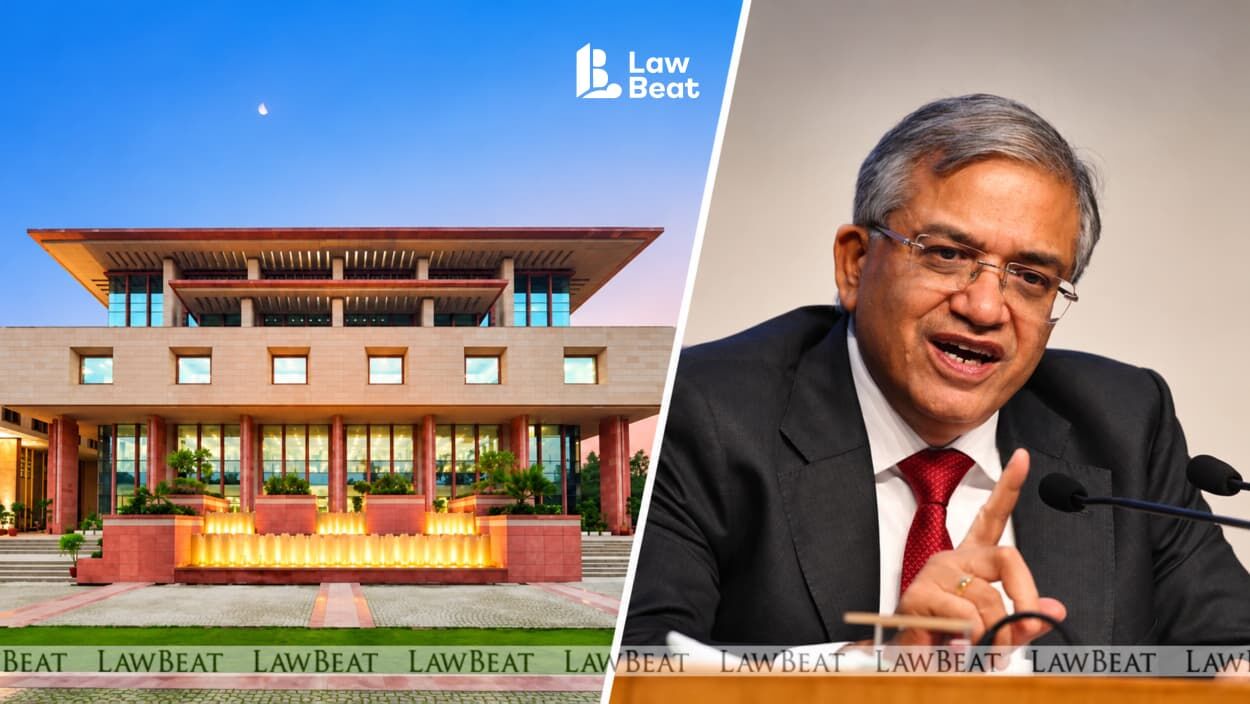
Delhi High Court: IYC Protest Permission Denial Challenged
Summary
- The Indian Youth Congress (IYC) has challenged the Delhi Police's denial of permission for a protest against CEC Gyanesh Kumar at Jantar Mantar.
- The police cited law-and-order concerns, traffic, and existing guidelines for restricting protests as reasons for the denial.
- The IYC argues the denial lacked an individualized assessment and violates constitutional rights to freedom of speech and peaceful assembly.
- The Delhi High Court is scheduled to hear the plea on October 13, after previous deferrals.
- The case, Uday Bhanu Chib vs UOI, is significant for clarifying the scope of protest rights and police discretion in India.
Court to Hear Challenge on Protest Denial
The IYC's challenge directly questions the scope of police discretion in granting or denying permission for public demonstrations, particularly when constitutional rights under Article 19(1)(a) India Constitution are at stake.
The Delhi High Court is set to hear a petition filed by the Indian Youth Congress (IYC) challenging the Delhi Police's decision to deny permission for a planned demonstration. The IYC had sought to organize a protest at Jantar Mantar against Chief Election Commissioner (CEC) Gyanesh Kumar, demanding his resignation over alleged irregularities in the Special Intensive Revision (SIR) of electoral rolls. This matter, titled Uday Bhanu Chib vs UOI, is currently before Justice Amit Mahajan.
The proposed protest was intended to be a peaceful assembly involving approximately 100 to 150 individuals, scheduled to take place between October 1 and October 25. However, the Deputy Commissioner of Police (New Delhi) rejected the request on October 1. The IYC, through its president Uday Bhanu Chib, subsequently filed a plea with the High Court to contest this denial.
During recent proceedings, Senior Advocate Siddharth Luthra, representing the IYC via video conferencing, requested an expedited hearing, a sentiment echoed by Senior Advocate Vivek Tankha, who emphasized the public importance of the matter. Despite these pleas for an immediate hearing, Additional Solicitor General Chetan Sharma, appearing for the respondents, requested a deferral. The court ultimately accepted the request to list the matter for hearing on October 13, after initially declining an urgent hearing on October 9 and then deferring it from October 12.
Legal Arguments and Police Justification
The Delhi Police cited several reasons for denying the IYC permission for the CEC Gyanesh Kumar protest. These included concerns regarding law and order in the New Delhi district, potential traffic disruptions, and existing guidelines that restrict dharnas or demonstrations at Jantar Mantar and the Central Vista area to a single continuous day. Furthermore, the police indicated that intelligence inputs suggested the possibility of mass gatherings, which could impact security and traffic management in the area.
In response, the IYC's petition argues that the police's power to regulate peaceful assemblies should not be used to effectively prohibit them altogether. The organization contends that the decision to deny permission was made without an individualized and proportionate assessment of the specific proposed gathering. The IYC has invoked fundamental constitutional rights, specifically Articles 14, 19(1)(a), and 19(1)(b) of the Constitution of India, which guarantee equality before the law, freedom of speech and expression, and the right to assemble peacefully without arms, respectively. The IYC has also publicly stated its willingness to comply with all lawful conditions related to security, traffic management, discipline, and public order.
Implications for Freedom of Assembly in India
This case carries significant weight for the exercise of Jantar Mantar protest rights and the broader landscape of freedom of assembly in India. The IYC's challenge directly questions the scope of police discretion in granting or denying permission for public demonstrations, particularly when constitutional rights under Article 19(1)(a) India Constitution are at stake. The outcome will provide clarity on whether general law-and-order concerns and traffic considerations can serve as blanket justifications for denying protest permissions, or if authorities are required to conduct a more granular, individualized assessment for each proposed gathering.
The arguments put forth by the IYC, emphasizing the need for an individualized and proportionate assessment, are crucial for defining the boundaries of state power versus citizens' rights to peaceful protest. The Delhi High Court's ruling in Uday Bhanu Chib vs UOI will therefore be closely watched by legal practitioners, civil liberties advocates, and organizations planning future demonstrations, as it could establish an important precedent regarding the balance between public order maintenance and the fundamental right to protest in the nation's capital.
Practical Implications
Lawyers advising clients on public demonstrations or freedom of assembly should monitor this case closely, as the Delhi High Court's decision will clarify the scope of police power to deny protest permissions and the constitutional rights under Articles 19(1)(a) and 19(1)(b) in India. The arguments regarding individualised assessment and proportionality in denying permission are particularly relevant for future challenges.
Source
How does this affect you?
Get an AI analysis of this article grounded in your jurisdictions, practice areas, and any policy documents you've uploaded to Wansom.
Finish Reading the Full Story and the Expert Analysis.
Get the latest legal & regulatory intelligence in India
Wansom is AI and can make mistakes.