
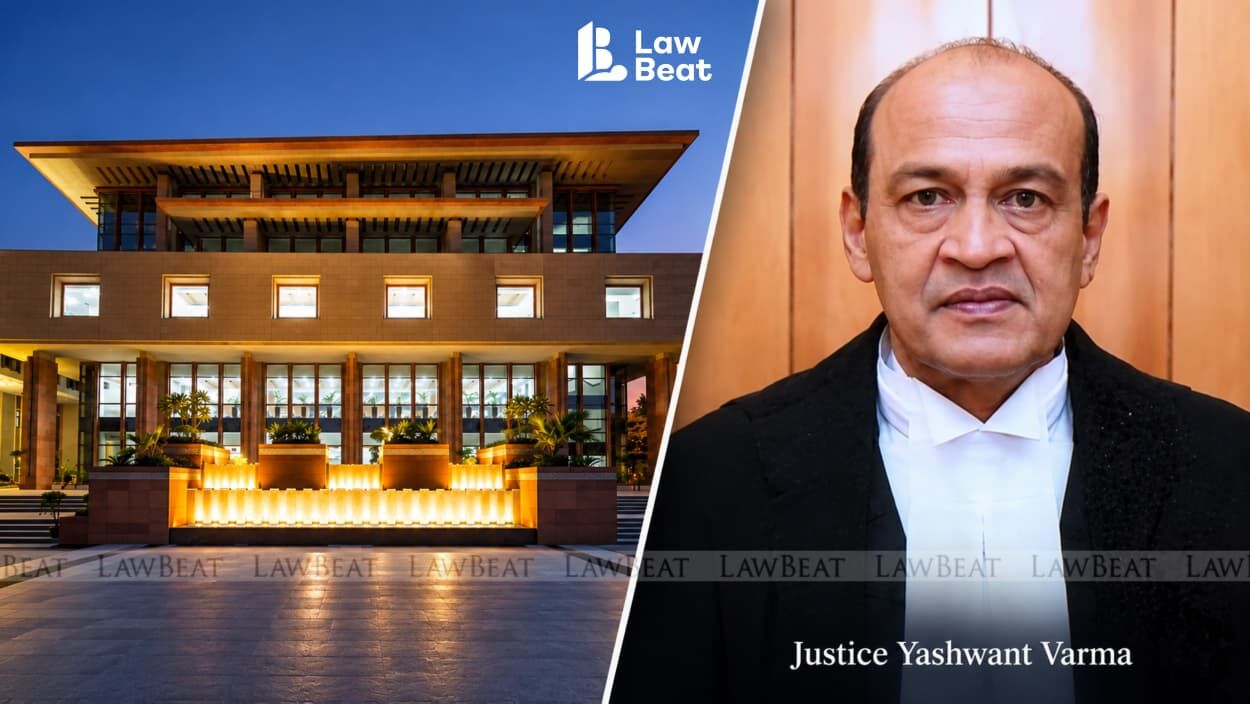
Delhi High Court: Dismisses CBI Probe for Justice Varma
Summary
- The Delhi High Court dismissed a plea by advocate Ghanshyam Upadhyay seeking a CBI probe against former Justice Yashwant Varma over alleged cash discovery.
- The court questioned the petitioner's locus standi and direct approach, noting available alternative remedies like approaching the Delhi Police or a magistrate.
- This Delhi HC dismisses CBI probe Justice Varma decision followed a similar Supreme Court dismissal of a plea by the same advocate, which was deemed aimed at "cheap publicity".
- The allegations originated from the discovery of partly burnt currency notes during a fire at Justice Varma's official residence in New Delhi on March 14-15, 2025.
- An Inquiry Committee later found all three Articles of Charge against Justice Varma proven, citing substantial unexplained currency, unpreserved evidence, and evasive explanations.
High Court Rejects Probe Request
Both rulings underscore the judiciary's strict adherence to procedural requirements and the necessity for petitioners to demonstrate proper legal standing and follow established protocols before initiating criminal investigations, especially against high-ranking judicial officials.
The Delhi High Court recently declined a petition seeking a Central Bureau of Investigation (CBI) or Special Investigation Team (SIT) probe into allegations against former Justice Yashwant Varma, stemming from a cash discovery at his official residence. Justice Amit Bansal, presiding over the case, characterized the filing by advocate Ghanshyam Upadhyay as a "wild witch hunt". The court critically examined the petitioner's standing, or locus standi, and questioned the decision to approach the High Court directly without exhausting alternative legal avenues. It was noted that the petitioner could have first approached the Delhi Police and subsequently a competent magistrate.
This decision from the Delhi High Court CBI plea dismissal follows a similar stance taken by the Supreme Court. A bench comprising Justices P S Narasimha and Alok Aradhe had previously dismissed a separate plea by advocate Ghanshyam Upadhyay, which also sought an FIR and a court-monitored SIT probe against Justice Varma. The Supreme Court observed that this earlier petition appeared to be motivated by a desire for "cheap publicity". Both rulings underscore the judiciary's strict adherence to procedural requirements and the necessity for petitioners to demonstrate proper legal standing and follow established protocols before initiating criminal investigations, especially against high-ranking judicial officials.
Origins of the Allegations
The controversy surrounding Justice Yashwant Varma began with a fire incident at his official residence, located at Tughlak Crescent in New Delhi, during the night of March 14-15, 2025. The blaze, which occurred in a storeroom or outhouse on the premises, led to the discovery of partly burnt currency notes during firefighting operations. At the time of the incident, Justice Varma was not present at the residence. The alleged Justice Yashwant Varma cash discovery subsequently triggered widespread scrutiny and an official inquiry.
Following these events, Justice Varma was transferred from the Delhi High Court to the Allahabad High Court, where he took his oath on April 5, 2025. Shortly thereafter, on April 9, 2026, Justice Varma resigned from his judicial office. During this period, he ceased to perform judicial functions. The incident involving the semi-burnt wads of currency notes found at his Lutyens’ Delhi residence became the central point of the allegations that led to both the High Court and Supreme Court dismissals of pleas for a criminal investigation.
Formal Inquiry Confirms Misconduct
Beyond the judicial dismissals of probe requests, a dedicated Inquiry Committee was constituted to examine the allegations against Justice Yashwant Varma. This committee, composed of Supreme Court judge Justice Aravind Kumar, the then-Chief Justice of the Bombay High Court Shree Chandrashekhar, and Senior Advocate B.V. Acharya, conducted a thorough investigation into the evidence related to the fire at 30, Tughlaq Crescent and the subsequent discovery of currency notes. The committee concluded that all three Articles of Charge against Justice Varma were proven.
Their findings indicated that a substantial amount of unexplained currency notes was indeed found within his official residential premises. Furthermore, the committee determined that crucial material evidence was not properly preserved, and Justice Varma's explanations regarding the incident were both evasive and unsatisfactory. In a particularly damning observation, the committee stated that Justice Varma’s "whole defence is false and adds to grave suspicion against him," specifically concerning his failure to secure the currency notes and preserve the scene after the fire. The Judges Inquiry Act 1968 report, comprising Volumes 1 and 2 in both Hindi and English, was laid before the House by the Secretary General on August 12, 2026, in accordance with Section 4(3) of the Act and Rules 9 and 10 of the Judges (Inquiry) Rules, 1969.
Practical Implications
This ruling underscores the strict procedural requirements, particularly regarding locus standi and the exhaustion of alternative remedies, for initiating criminal probes against high-ranking officials like judges. Lawyers should note the courts' reluctance to entertain direct petitions without these prerequisites, and the distinct process under the Judges (Inquiry) Act for addressing judicial misconduct.
Source
How does this affect you?
Get an AI analysis of this article grounded in your jurisdictions, practice areas, and any policy documents you've uploaded to Wansom.
Finish Reading the Full Story and the Expert Analysis.
Get the latest legal & regulatory intelligence in India
Wansom is AI and can make mistakes.