
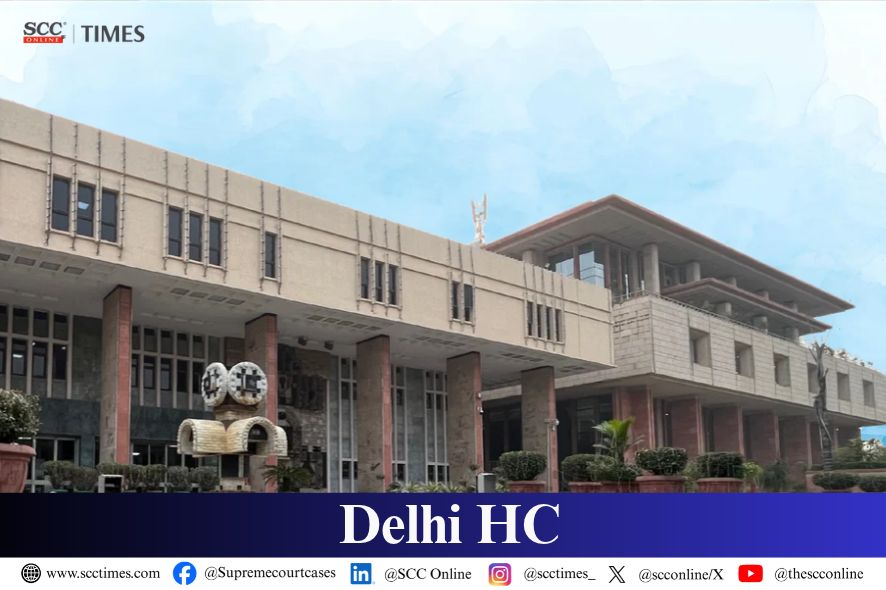
Delhi HC Quashes ED LOCs RCFL-RHFL: Non-Accused Can Travel
Summary
- The Delhi High Court quashed Look Out Circulars issued by the Enforcement Directorate in the RCFL-RHFL case.
- These ED LOCs had been imposed on individuals who were not formally accused in the ongoing investigation.
- The court ruled that the mere pendency of an investigation is insufficient grounds to restrict an individual's travel.
- The court upheld its writ jurisdiction to intervene, even when an alternative remedy might exist.
- Instead of travel bans, the court mandated conditions like cooperation and travel intimation to secure the petitioners' availability.
Court Invalidates Travel Restrictions
Central to the Delhi High Court's determination was the finding that the mere existence of an investigation, without further substantive grounds, does not provide sufficient justification to impede an individual's right to travel.
The Delhi High Court recently intervened in the RCFL-RHFL case, issuing a significant ruling that saw the quashing of Look Out Circulars (LOCs) issued by the Enforcement Directorate (ED). These specific travel restrictions had been imposed on individuals who were not formally accused in the ongoing investigation. The court's decision underscores a critical principle regarding personal liberty and the scope of investigative agencies' powers.
Central to the Delhi High Court's determination was the finding that the mere existence of an investigation, without further substantive grounds, does not provide sufficient justification to impede an individual's right to travel. This ruling directly addresses the practice of issuing ED LOCs against non-accused parties, setting a precedent for how such measures should be applied. Instead of an outright travel ban, the court mandated alternative conditions to ensure the petitioners' availability for the probe.
Legal Framework and Judicial Oversight
The legal challenge against the ED LOCs in the RCFL-RHFL case brought into focus the extent of judicial oversight over executive actions, particularly those impacting fundamental rights. The Delhi High Court firmly asserted its writ jurisdiction in this matter, a crucial aspect given that alternative remedies might typically be pursued. This affirmation highlights the court's role in safeguarding individual freedoms even when other legal avenues could theoretically exist.
Look Out Circulars are typically issued to prevent individuals from leaving the country, often in connection with ongoing investigations. However, the court's decision clarifies that for individuals not formally implicated as accused, the threshold for imposing such a severe restriction on movement is higher than simply the pendency of an investigation. The court's directive for securing the petitioners' availability through cooperation and travel-intimation conditions reflects a balanced approach, acknowledging the needs of the investigation while protecting individual rights.
Precedent for Non-Accused Individuals
This ruling from the Delhi High Court offers a significant precedent for lawyers advising non-accused clients who find themselves subject to ED Look Out Circulars. It establishes that the mere pendency of an investigation is an insufficient basis to restrict travel, thereby providing a strong legal argument to challenge such orders. The court's emphasis on alternative, less restrictive measures, such as requiring cooperation and intimation of travel plans, suggests a path forward for individuals seeking to assert their right to movement, particularly within the Delhi High Court's jurisdiction.
The outcome in the RCFL-RHFL case reinforces the principle that while investigative agencies like the Enforcement Directorate have broad powers, these powers are not absolute and are subject to judicial review, especially when they impinge on fundamental rights. The quashing of the ED LOCs for non-accused individuals, coupled with the court's upholding of its writ jurisdiction, provides a clear signal that such travel restrictions must be based on more than just an ongoing inquiry.
Practical Implications
Lawyers can advise non-accused clients facing ED Look Out Circulars that mere pendency of an investigation is insufficient grounds for travel restriction, providing a precedent to challenge such orders, particularly in the Delhi High Court's jurisdiction.
Source
Source: Original reporting via SCC Times
How does this affect you?
Get an AI analysis of this article grounded in your jurisdictions, practice areas, and any policy documents you've uploaded to Wansom.
Finish Reading the Full Story and the Expert Analysis.
Get the latest legal & regulatory intelligence in India
Wansom is AI and can make mistakes.