
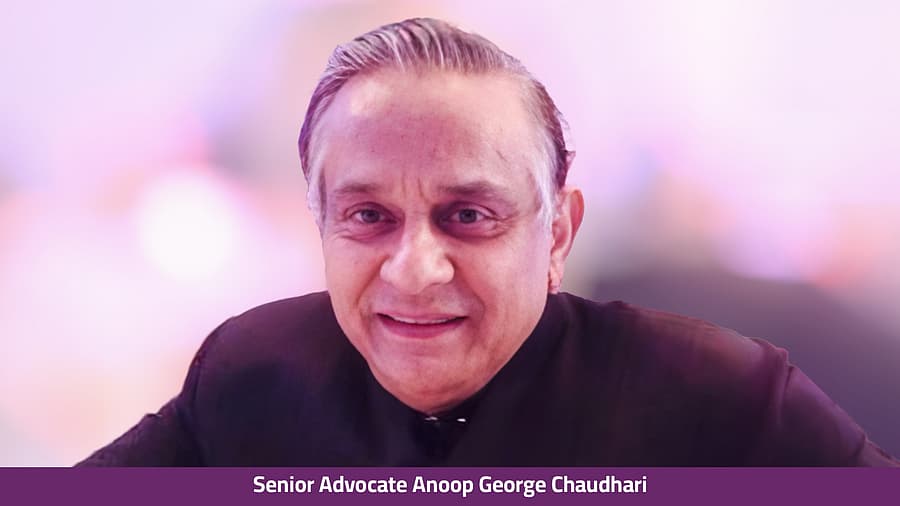
Delhi HC: Madhya Pradesh Advocate Fees Payment Ordered For ₹78.65 Lakh
Summary
- The Delhi High Court has directed the Madhya Pradesh government to pay Senior Advocate Anoop George Chaudhari ₹78.65 lakh in outstanding professional fees.
- This payment includes 9% annual interest, calculated from 2021 until the final settlement.
- Justice Sachin Datta rejected the State's claim of non-engagement, citing official court records and an admission from the former Chief Secretary.
- The court strongly criticized the Madhya Pradesh government's conduct, emphasizing that an advocate's right to payment is a matter of both legal entitlement and honor.
- The ruling underscores that prompt payment of legal fees is crucial for the dignity of the legal profession and effective state representation, warning against practices that deter talented advocates.
Delhi High Court Mandates Advocate Fee Payment
The ruling firmly asserts that prompt payment of counsel fees is essential not only for maintaining the integrity and dignity of the legal profession but also for ensuring the effective representation of the State itself before judicial forums.
The Delhi High Court has issued a significant directive to the Madhya Pradesh government, compelling it to remit outstanding professional fees totaling ₹78.65 lakh to Senior Advocate Anoop George Chaudhari. This substantial sum is owed for his appearances before the Supreme Court, where he represented the State. The court's order not only mandates the principal payment but also stipulates an annual interest rate of 9%, calculated from the year 2021, when the initial petition was filed, until the full amount is settled.
This ruling, delivered by Justice Sachin Datta, directly addresses a dispute where the State of Madhya Pradesh had initially contested its obligation to pay, asserting that it had not formally engaged Mr. Chaudhari for the legal services rendered. However, the High Court meticulously examined the evidence presented, ultimately dismissing the State's contention and affirming the advocate's entitlement to his remuneration. The decision underscores the judiciary's commitment to ensuring legal professionals are duly compensated for their work, particularly when representing governmental entities, thereby impacting the broader landscape of Delhi HC Madhya Pradesh advocate fees.
State's Denial Overruled by Concrete Evidence
The Madhya Pradesh government's defense, which hinged on the assertion that Senior Advocate Anoop George Chaudhari was not officially engaged for his Supreme Court appearances, was thoroughly debunked by the Delhi High Court. Justice Sachin Datta, presiding over the matter, meticulously reviewed the available records, finding compelling evidence that contradicted the State's claims. Crucially, the court noted that official order sheets pertaining to the cases clearly indicated Mr. Chaudhari's involvement, thereby establishing a formal Delhi High Court advocate engagement.
Further bolstering the advocate's position, the court highlighted an admission from the State's former Chief Secretary, who acknowledged Mr. Chaudhari's engagement. These pieces of evidence collectively dismantled the Madhya Pradesh government's argument, leading the court to conclude that the denial of engagement was unfounded. The 55-page order, dated August 31, meticulously details these findings, providing a robust basis for the court's directive to ensure the payment of the MP government senior advocate fees, as per Justice Sachin Datta's fees ruling.
Upholding Professional Dignity and State Representation
In its comprehensive 55-page order, the Delhi High Court did not merely resolve a payment dispute but also issued a strong rebuke against the conduct of the State of Madhya Pradesh. Justice Sachin Datta explicitly "deprecated" the State's actions, emphasizing that an advocate's right to receive payment for services rendered transcends a mere contractual obligation; it is fundamentally a matter of both legal entitlement and professional honor. This strong stance by the court highlights the broader implications of such disputes, particularly concerning the dignity of the legal profession.
Justice Datta further articulated that allowing states to engage senior members of the Bar in times of need, only to subsequently delay or deny their legitimate bills through bureaucratic hurdles, would inevitably have detrimental consequences. Such practices, the court warned, would discourage talented legal professionals from accepting engagements to represent the State in the future. The ruling firmly asserts that prompt payment of counsel fees is essential not only for maintaining the integrity and dignity of the legal profession but also for ensuring the effective representation of the State itself before judicial forums. This judgment sets a clear precedent for State government legal fees dispute cases, reinforcing the principle that legitimate engagements must be honored without undue delay, impacting future Anoop George Chaudhari payment order scenarios.
Practical Implications
This ruling establishes a strong precedent for lawyers seeking payment from state governments, affirming the court's commitment to the dignity of the legal profession and timely remuneration. Compliance officers and government legal departments in India should note the court's stern stance against denying legitimate engagement and the imposition of significant interest on delayed payments, necessitating robust record-keeping and prompt processing of legal invoices.
Source
How does this affect you?
Get an AI analysis of this article grounded in your jurisdictions, practice areas, and any policy documents you've uploaded to Wansom.
Finish Reading the Full Story and the Expert Analysis.
Wansom is AI and can make mistakes.