
Delhi High Court: Journalist Denied Urgent SC/ST Act Arrest Protection
Summary
- A female journalist sought interim protection from arrest in the Delhi High Court after an ACP filed an SC/ST Act FIR against her.
- The ACP's FIR followed the journalist's accusation that he sexually harassed her during an October 3 protest.
- The FIR against the journalist invokes sections of the Bharatiya Nyaya Sanhita, 2023, and the SC/ST (Prevention of Atrocities) Act.
- The Delhi High Court declined to urgently list the journalist's plea, stating it would be posted after the vacation.
- The ACP alleged the journalist made casteist remarks and obstructed his duties during the protest.
What Happened
This case, involving a Delhi HC journalist seeking SC/ST Act arrest protection, highlights several critical issues within the Indian legal landscape.
A female journalist has sought protection from arrest in the Delhi High Court after an Assistant Commissioner of Police (ACP) filed a First Information Report (FIR) against her under the Scheduled Castes and Scheduled Tribes (Prevention of Atrocities) Act. This legal action by ACP Vivek Bhagat, who has been given the current duty charge of Additional Deputy Commissioner of Police (DCP) though this is currently on hold pending an inquiry, followed the journalist's own accusation that he sexually harassed her during a public protest on October 3. The journalist alleges that during a demonstration against Chief Election Commissioner Gyanesh Kumar, while she was recording the detention of an activist, ACP Bhagat inappropriately touched and pushed her.
In response, ACP Bhagat lodged a complaint with the Deputy Commissioner of Police, New Delhi district, on October 13, leading to an FIR being registered later that day at Parliament Street police station. His complaint accuses the journalist, along with Gajendra Singh of News Diggy and an unidentified individual, of publicly humiliating him and obstructing his official duties. Specifically, Bhagat claims the journalist made casteist remarks at Buta Singh Roundabout on October 3, questioning his rank by referencing traditional occupations of his community, such as tailoring and weaving. He further alleged that around 3 p.m., while he was clearing a path for a bus carrying detained protesters, the journalist and her colleagues confronted him, accusing him of sexual assault and thereby impeding his work. As of October 2026, the journalist's sexual harassment complaint remains under inquiry by the Crime Branch, and no FIR has been registered based on it.
High Court's Procedural Stance
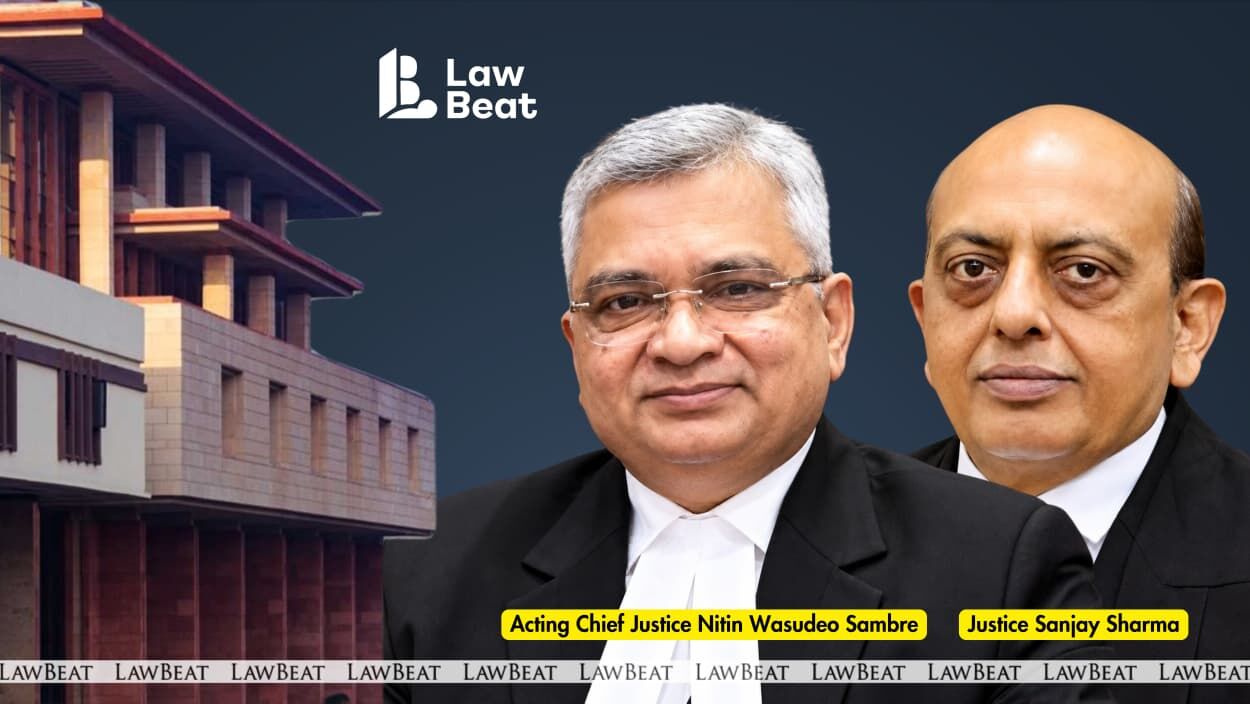
The Delhi High Court, on October 15, declined to urgently list the journalist's petition for interim protection from arrest. The plea, heard by a division bench comprising Acting Chief Justice Nitin Wasudeo Sambre and Justice Sanjay Sharma, aimed to secure immediate relief against potential arrest under the SC/ST Act FIR. Counsel for the petitioners highlighted that the case stemmed from a single FIR, involved two journalists, and arose directly after the journalist's sexual assault complaint, emphasizing a strong apprehension of arrest and requesting that the matter be taken up on the same day.
Despite the counsel's insistence, the bench firmly rejected the request for urgent listing. The Court stated, "Don’t insist. We will post it after the vacation," indicating a preference for regular scheduling rather than expedited hearing. When the counsel reiterated the plea for accommodation, the bench maintained its position, prompting the counsel to apologize for pressing the matter further. This decision underscores the court's procedural approach to urgent matters, even in cases involving potential arrest and counter-allegations.
Legal Framework Invoked
The FIR filed against the journalist and her colleagues by ACP Vivek Bhagat incorporates several significant legal provisions. It specifically invokes Sections 221, 356(2), and 3(5) of the recently enacted Bharatiya Nyaya Sanhita, 2023. These sections pertain to various criminal offenses, including those related to public servants and obstruction of justice. In addition to these new provisions, the FIR also includes relevant sections from the SC/ST (Prevention of Atrocities) Act, which addresses offenses committed against members of Scheduled Castes and Scheduled Tribes.
The application of the SC/ST (Prevention of Atrocities) Act in this context is central to the journalist's apprehension of arrest, as offenses under this act often carry stringent provisions. The inclusion of specific Bharatiya Nyaya Sanhita 2023 Sections demonstrates the immediate operational impact of the new criminal code. This dual invocation of statutes forms the legal basis for the charges against the journalist, Gajendra Singh, and the unidentified person, stemming from the ACP's complaint of casteist remarks and obstruction of duty.
Significance of the Case
This case, involving a Delhi HC journalist seeking SC/ST Act arrest protection, highlights several critical issues within the Indian legal landscape. It exemplifies the complex dynamics that can arise when allegations of sexual harassment are met with counter-allegations, particularly those involving caste-based offenses. The immediate application of the Bharatiya Nyaya Sanhita 2023 Sections, alongside the established SC/ST (Prevention of Atrocities) Act, signals a new era for criminal jurisprudence and requires careful attention from legal practitioners.
The situation also brings to the forefront the challenges faced by journalists in India, especially when their professional duties intersect with sensitive public events and interactions with law enforcement. The Delhi High Court's decision to decline urgent listing, despite the plea for interim protection, sets a procedural precedent regarding how such urgent matters are handled, particularly when involving public officials and the potential for arrest. This case underscores the intricate interplay between individual rights, professional responsibilities, and the evolving legal framework in India.
Practical Implications
Lawyers should note the Delhi High Court's procedural stance on urgent listing for protection from arrest in SC/ST Act cases, especially when intertwined with counter-allegations of sexual harassment and involving public officials. This case also demonstrates the immediate application of specific sections from the newly enacted Bharatiya Nyaya Sanhita, 2023, which practitioners need to be aware of for criminal defense and prosecution strategies.
Source
How does this affect you?
Get an AI analysis of this article grounded in your jurisdictions, practice areas, and any policy documents you've uploaded to Wansom.
Finish Reading the Full Story and the Expert Analysis.
Get the latest legal & regulatory intelligence in India
Wansom is AI and can make mistakes.