
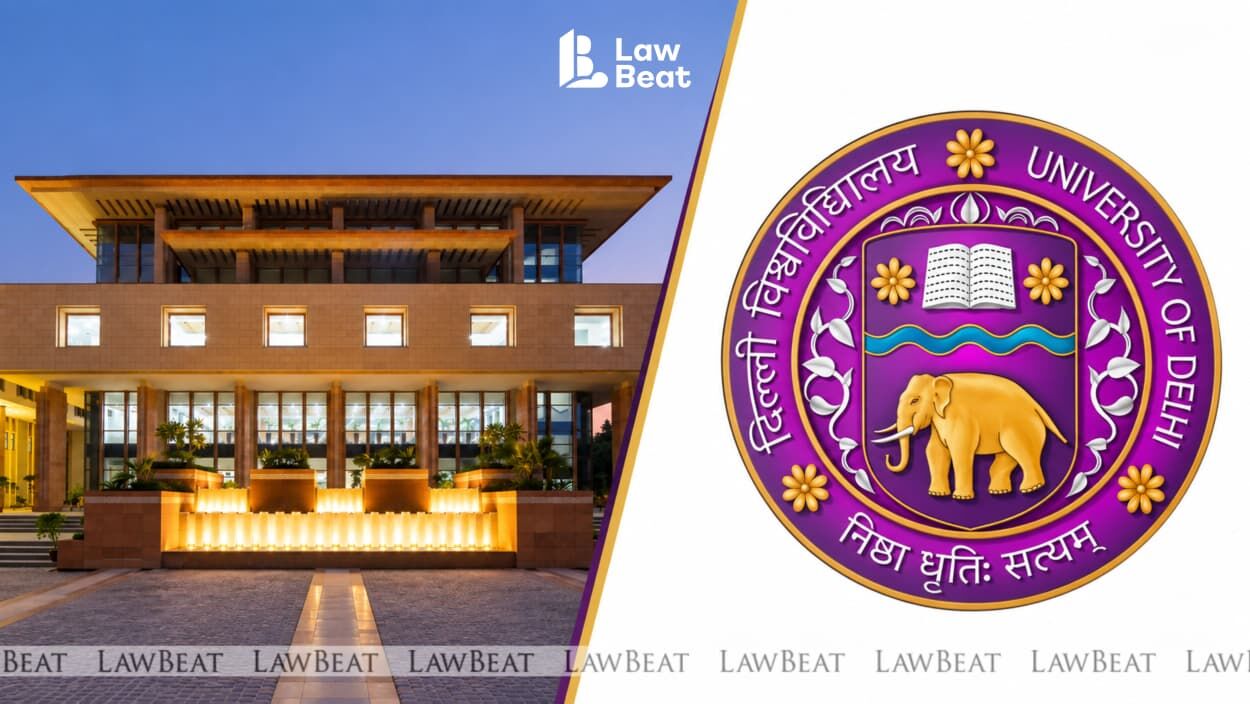
Delhi High Court: Considering DUSU Collective Damages for Election Violations
Summary
- The Delhi High Court is considering imposing collective electoral damages on DUSU candidates and student organizations for election-related misconduct.
- Notices have been issued to all 140 candidates and student bodies to show cause why damages should not be levied for alleged violence and "hooliganism."
- The court prohibited victory processions and playing of drums after results, citing frequent violations of norms.
- The Bench observed "frequent and brazen violation" of Lyngdoh Committee recommendations and directed criminal actions to be pursued.
- This move signals a potential precedent for collective financial liability for student organizations in election misconduct cases.
Court Considers Collective Damages for Election Misconduct
This development signals a potential precedent for imposing collective financial liability on student organizations and candidates for election-related misconduct, moving beyond individual penalties.
The Delhi High Court is actively considering the imposition of collective electoral damages on both individual candidates and student organizations implicated in alleged violations during the Delhi University Students' Union (DUSU) election campaign. This potential move stems from concerns over widespread violence, vandalism, and what the court has described as "hooliganism" observed during the electoral process. The Bench, comprising Chief Justice D.K. Upadhyaya and Justice Tejas Karia, has issued notices to all 140 candidates contesting the DUSU elections, as well as to various student organizations, demanding they show cause why such damages should not be levied.
During a recent hearing, the court also issued immediate directives aimed at curbing post-election excesses. These include an outright prohibition on victory processions and a ban on playing drums following the declaration of election results. These measures underscore the court's serious view of the frequent breaches of conduct observed in past and present DUSU elections, signaling a shift towards more stringent accountability for all parties involved.
Escalating Concerns Over Election Misconduct
The court's contemplation of collective damages follows a period of escalating concern regarding the conduct surrounding the DUSU elections. Earlier, the High Court had issued a stern warning, indicating its readiness to stay the counting of votes and the declaration of results if it found the actions taken by Delhi University and the Delhi Police insufficient in addressing alleged violence and other violations during campaigning. This warning set the stage for the current proceedings, where the Bench meticulously reviewed status reports submitted by both Delhi University and the Delhi Police.
Representatives from various student organizations were also questioned by the court regarding the behavior of their candidates and campaigners. The court's strong condemnation of the observed misconduct was particularly evident when examining photographic and video evidence presented before it. The Bench remarked on instances of individuals standing on rooftops and car bonnets, and even brandishing weapons, questioning whether such actions were indicative of genuine students and inquiring into the sources of funding for such activities, labeling them as clear acts of "hooliganism."
Legal Arguments and Broader Implications
During the proceedings, Additional Solicitor General (ASG) Chetan Sharma, representing the Union of India and Delhi Police, presented a list detailing violations allegedly committed by individual candidates, irrespective of their affiliated student organizations. Sharma emphasized that these violations directly contravened previous High Court orders and that past show-cause notices had proven ineffective in deterring such behavior. The court concurred with this assessment, acknowledging the need for a more robust response to the repeated transgressions.
The Bench explicitly stated its intention to impose collective damages for these violations, asserting that a clear message needed to be sent due to the persistent failure of parties to adhere to established norms. Consequently, the court directed that notices be issued to student organizations to explain why collective damages should not be imposed on them, in addition to individual candidates. Furthermore, the court mandated that a complete list of all 140 candidates, along with their addresses, be supplied to ensure proper service of these notices, underscoring the comprehensive nature of the proposed accountability.
Precedent and Regulatory Context
This development signals a potential precedent for imposing collective financial liability on student organizations and candidates for election-related misconduct, moving beyond individual penalties. The court also highlighted the "frequent and brazen violation" of the recommendations made by the Lyngdoh Committee, a key regulatory framework for student elections in India. This observation reinforces the systemic nature of the issues the court is attempting to address.
Further emphasizing the gravity of the situation, the court recalled a past incident from an earlier DUSU election where a winning candidate allegedly assaulted a teacher post-victory, illustrating a pattern of unacceptable behavior. The Bench also directed that any criminal actions initiated by the police in connection with the election violence be pursued diligently to their logical conclusion, ensuring that legal consequences extend beyond financial penalties to encompass criminal accountability where appropriate.
Practical Implications
This development signals a potential precedent for imposing collective financial liability on student organizations and candidates for election-related misconduct, moving beyond individual penalties. Lawyers advising educational institutions or student bodies should note this expanded scope of accountability for organizational actions and member behavior during elections.
Source
How does this affect you?
Get an AI analysis of this article grounded in your jurisdictions, practice areas, and any policy documents you've uploaded to Wansom.
Finish Reading the Full Story and the Expert Analysis.
Get the latest legal & regulatory intelligence in India
Wansom is AI and can make mistakes.