
Delhi Court: Restrains Pravesh Verma From Altering Social Media
Summary
- A Delhi Court has temporarily restrained Minister Pravesh Verma and his associates from altering social media posts in a defamation case.
- The order, issued on September 1, 2026, also directs Meta Platform Inc. and X Corp. to preserve specific digital evidence, including posts, metadata, and IP history.
- The court granted this interim relief under Section 94 BNSS, prioritizing evidence preservation despite unresolved questions of locus standi at the pre-cognizance stage.
- This decision highlights the judiciary's proactive approach to safeguarding digital evidence, acknowledging its susceptibility to alteration in online defamation disputes.
Judicial Intervention in Digital Defamation
This Delhi Court restrains Pravesh Verma social media order sets a notable precedent for the handling of digital evidence in defamation cases across India, particularly those involving social media platforms.
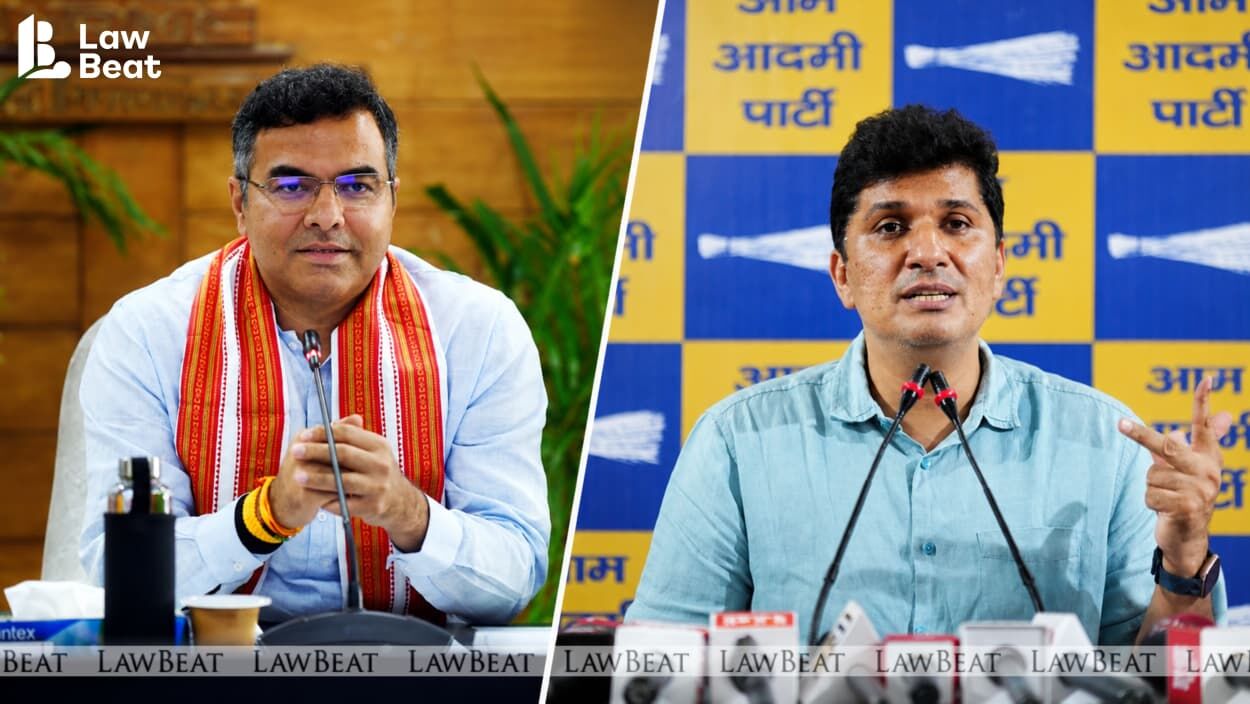
A Delhi Court has issued a significant interim order, preventing Delhi Cabinet Minister Pravesh Verma and his associates from altering specific social media content related to a defamation case he initiated against AAP leader Saurabh Bhardwaj. The directive, handed down by ACJM-03 Neha Mittal of the Rouse Avenue District Courts on September 1, 2026, specifically prohibits the deletion, hiding, editing, or any other modification of posts, profiles, photographs, and reels identified in the proceedings. This measure is intended to safeguard crucial digital evidence until the next scheduled hearing.
The order stems from an application filed by Saurabh Bhardwaj, the proposed accused in the defamation complaint brought by Pravesh Verma (also identified as Parvesh Sahib Singh). Bhardwaj's application, submitted under Section 94 of the Bharatiya Nagarik Suraksha Sanhita (BNSS), sought the preservation of digital evidence believed to reside on the social media accounts controlled by the complainant and his affiliated parties. This proactive step underscores the increasing focus on securing online content in legal disputes.
Crucially, the court also extended its mandate to major social media platforms. Meta Platform Inc. and X Corp. have been explicitly instructed to preserve the identified posts, along with all associated media files, metadata, server logs, registration records, and IP history. This comprehensive preservation order ensures that a broad spectrum of digital information remains intact, further emphasizing the court's commitment to maintaining the integrity of potential evidence in the ongoing Saurabh Bhardwaj defamation case Delhi. The directions to both the individuals and the platforms are effective until the subsequent court date.
Navigating Locus and Digital Evidence Preservation
The application for digital evidence preservation was met with opposition from the complainant's legal team, who primarily argued that Saurabh Bhardwaj, as the proposed accused, lacked the necessary standing, or locus, to bring such an application at the pre-cognizance stage of the defamation proceedings. Bhardwaj's counsel, however, contended that an immediate interim direction was imperative because the digital material could be deleted or modified by the complainant or his associates before the court could fully deliberate on the merits of the preservation request, thereby rendering the application ineffective.
Despite the complainant's challenge regarding locus, the court opted not to issue a definitive ruling on this specific point at the current juncture. It noted that the complainant had requested, and been granted, an opportunity to file a detailed reply to the application. Consequently, the court explicitly refrained from expressing an opinion on the locus issue for now. This approach allowed the court to address the immediate concern of evidence integrity without prejudicing the broader legal arguments.
Nevertheless, the court determined that the unique circumstances of the case necessitated interim protection for the digital evidence. The presiding judge remarked that while typically a party seeking interim relief must prima facie demonstrate its locus, this situation was peculiar because the digital evidence was entirely within the control and access of the complainant and his associates. Given their ability to access, delete, or edit the data at any time, the court concluded that interim relief was essential until the application could be fully decided on its merits. This reasoning highlights a pragmatic judicial approach to prevent the destruction of evidence.
Broader Implications for Online Defamation Cases
This Delhi Court restrains Pravesh Verma social media order sets a notable precedent for the handling of digital evidence in defamation cases across India, particularly those involving social media platforms. The ruling from the Rouse Avenue Court social media order underscores a growing judicial willingness to intervene early in proceedings, even before formal cognizance is taken and when questions of locus standi are still being debated. The court's proactive stance in directing Meta X Corp evidence preservation, alongside restraining individuals, signals a robust commitment to ensuring the integrity of online information relevant to legal disputes.
The court's emphasis on the "peculiar circumstances" surrounding digital evidence—namely, its susceptibility to immediate alteration or deletion by the controlling party—provides a strong basis for future applications under Section 94 BNSS digital evidence. This judicial recognition of the ephemeral nature of online content empowers parties to seek early protective orders, thereby preventing the potential loss of crucial evidence. For legal practitioners, this ruling suggests a strategic imperative to consider early applications for defamation social media preservation India, especially when dealing with allegations that rely heavily on online interactions.
By directing both the alleged defamer and the social media giants to preserve content, the court has established a dual layer of protection for digital evidence. This comprehensive approach acknowledges the technical realities of online data management and the potential for rapid disappearance of information. The Saurabh Bhardwaj defamation case Delhi thus serves as a critical example of how Indian courts are adapting to the challenges posed by digital communication, ensuring that justice can be pursued effectively in the age of social media.
Practical Implications
This ruling highlights a growing judicial willingness to issue interim orders for digital evidence preservation, even at pre-cognizance stages and when locus is debated, particularly in defamation cases involving social media. Lawyers should strategically consider early applications under Section 94 BNSS to prevent alteration of online content and ensure crucial evidence is secured.
Source
How does this affect you?
Get an AI analysis of this article grounded in your jurisdictions, practice areas, and any policy documents you've uploaded to Wansom.
Finish Reading the Full Story and the Expert Analysis.
Wansom is AI and can make mistakes.