
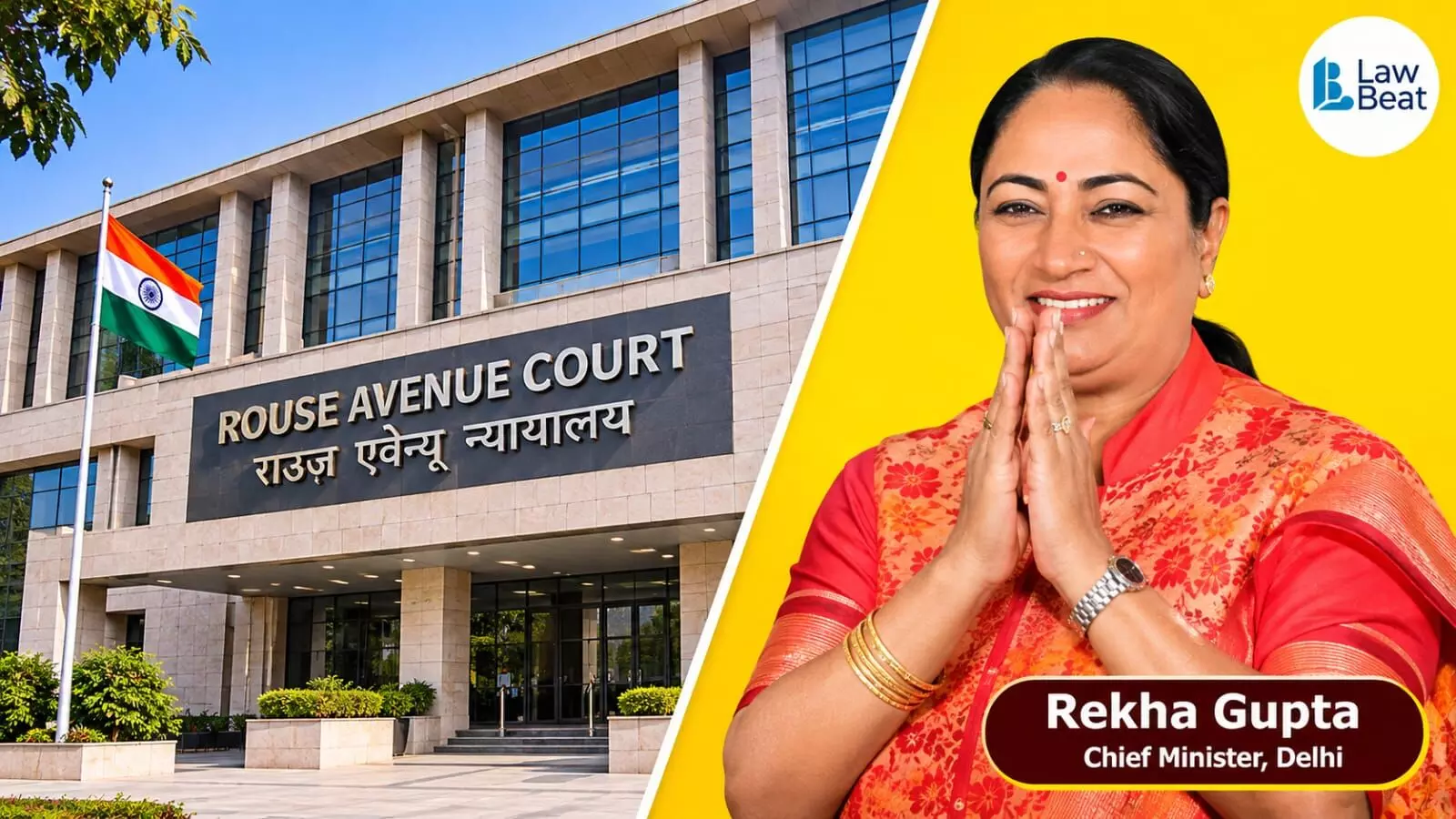
Delhi Court: Rekha Gupta Hanuman FIR Refused Over Intent
Summary
- An Additional Chief Judicial Magistrate in Delhi refused to register an FIR against CM Rekha Gupta.
- The decision concerned a "Hanuman remark" made in a September 2025 speech.
- The court found no prima facie evidence of "deliberate and malicious intention to insult religion."
- Existing recordings and transcripts of the speech were deemed sufficient, negating the need for police investigation.
- The complainant retains the option to pursue a private complaint case.
What Happened
The core of the ACJM Ashwani Panwar ruling hinged on the absence of a prima facie case demonstrating a 'deliberate and malicious intention to insult religion.'
The Delhi Court, specifically an Additional Chief Judicial Magistrate (ACJM), recently declined to register a First Information Report (FIR) against Chief Minister Rekha Gupta concerning a controversial "Hanuman remark." This decision came after a thorough review of the available evidence, which included a recording and a transcript of the September 2025 speech in question. The court determined that these materials were already on record, negating the necessity for any further police investigation to gather evidence.
The core of the ACJM Ashwani Panwar ruling hinged on the absence of a prima facie case demonstrating a "deliberate and malicious intention to insult religion." The court found that the existing evidence did not, at first glance, meet the stringent criteria required to establish such an intent. Consequently, while the FIR was refused, the complainant was not left without recourse; they were granted the opportunity to present their evidence and pursue the matter through a private complaint case. This judicial stance underscores the high threshold for initiating criminal proceedings based on alleged religious insult.
Legal Context
The legal framework governing such allegations in India is primarily Section 299 of the Bharatiya Nyaya Sanhita (BNS), which addresses acts intended to outrage religious feelings. For a charge under Section 299 BNS Delhi to be sustained, the prosecution must prove that the accused acted with a "deliberate and malicious intention to insult religion or religious beliefs." This specific wording sets a very high bar, distinguishing between general criticism or commentary and actions specifically designed to cause religious offense.
In this particular instance, the court's refusal of the FIR for the Rekha Gupta Hanuman remark highlights the critical distinction between remarks directed at individuals or officials and those directly targeting religious sentiments. The ACJM concluded that the material presented did not indicate a deliberate malicious intent religion, suggesting that the comments, even if controversial, did not cross the legal line into an intentional affront to religious beliefs themselves. This interpretation is crucial for understanding the scope and limitations of Section 299 BNS.
Why It Matters
This ruling by the Delhi Court Rekha Gupta Hanuman FIR case carries significant implications for how complaints alleging religious insult are handled, particularly under Section 299 BNS. It reinforces the principle that merely causing offense, or making a remark that some find objectionable, is not sufficient to warrant an FIR under this stringent section. Instead, there must be clear evidence of a "deliberate and malicious intention to insult religion," a standard that the court found was not met prima facie in this case.
The decision emphasizes the judiciary's role in scrutinizing the intent behind alleged offensive statements. By allowing the complainant to pursue a private complaint rather than directing police to register an FIR, the court effectively placed the burden of proof squarely on the complainant to demonstrate the malicious intent. This approach ensures that the legal process is not initiated lightly for matters concerning religious sentiments, thereby protecting freedom of speech while still providing avenues for genuine grievances to be heard.
Practical Implications
This ruling clarifies the high threshold for establishing 'deliberate and malicious intention to insult religion' under Section 295A IPC, particularly when remarks are directed at individuals rather than religion itself. Lawyers should advise clients on the nuanced interpretation of public statements to avoid potential charges and understand the evidentiary burden on complainants in such cases.
Source
How does this affect you?
Get an AI analysis of this article grounded in your jurisdictions, practice areas, and any policy documents you've uploaded to Wansom.
Finish Reading the Full Story and the Expert Analysis.
Get the latest legal & regulatory intelligence in India
Wansom is AI and can make mistakes.