
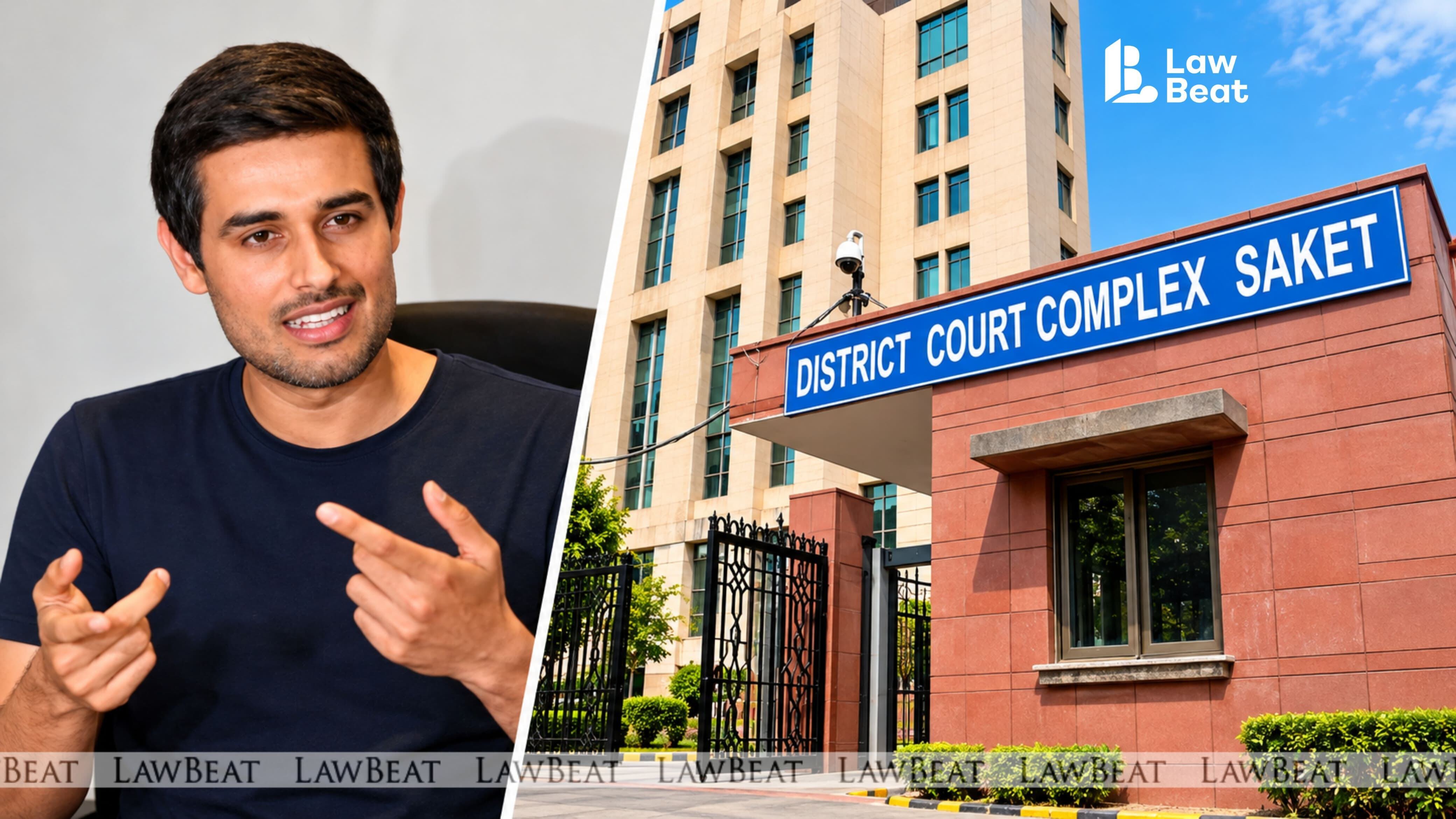
Delhi Court Issues Bailable Warrants in Dhruv Rathee Defamation Case
Summary
- A Delhi court has issued bailable warrants against YouTuber Dhruv Rathee in a 2018 criminal defamation case.
- The complaint was filed by Vikas Sankrityayan, also known as Vikas Pandey, concerning Rathee's "BJP IT Cell Part 2" video.
- Bailable warrants allow for arrest but permit release upon furnishing a bail bond to ensure court appearance.
- Arvind Kejriwal, who retweeted the same video, previously apologized to the Supreme Court, but proceedings against Rathee continued.
- This case highlights the long-term legal risks for online content creators in India, even years after content publication.
Recent Legal Action
This development serves as a critical reminder for legal professionals and online content creators alike about the enduring nature of legal challenges stemming from digital publications, even several years after their initial release.
A Delhi court has recently issued bailable warrants against prominent YouTuber Dhruv Rathee in connection with a criminal defamation complaint that dates back to 2018. This significant procedural step indicates the ongoing nature of the legal proceedings initiated by Vikas Sankrityayan, also known as Vikas Pandey, against the content creator.
The complaint specifically targets a video titled "BJP IT Cell Part 2," which was published by Rathee. The issuance of bailable warrants means that while an arrest can be made, Rathee would be entitled to release upon furnishing a bail bond, ensuring his appearance in court for subsequent hearings related to the Vikas Pandey Dhruv Rathee case. This development brings renewed attention to the long-standing legal battle surrounding the video's content and its implications.
Legal Context and Precedent
The criminal defamation complaint filed by Vikas Sankrityayan in 2018 falls under Indian law, which allows for legal action against individuals accused of harming another's reputation through their statements. Bailable warrants are a common judicial tool used to compel the attendance of an accused person in court when they have not appeared despite summons.
Notably, this case has a parallel in which former Delhi Chief Minister Arvind Kejriwal, who had retweeted the same "BJP IT Cell Part 2" video, previously offered an apology before the Supreme Court. However, despite Kejriwal's resolution of his part in the matter, the legal proceedings against Dhruv Rathee, as the original creator of the content, have continued unabated, leading to the current issuance of bailable warrants in this criminal defamation India bailable warrants scenario.
Why It Matters
This development serves as a critical reminder for legal professionals and online content creators alike about the enduring nature of legal challenges stemming from digital publications, even several years after their initial release. The fact that a 2018 defamation complaint can still result in bailable warrants highlights the persistent legal risks associated with online content, particularly for high-profile figures like Dhruv Rathee.
For lawyers, this case underscores the procedural steps involved in criminal defamation cases, including the potential for bailable warrants to be issued to ensure compliance with court directives. It emphasizes that even in cases involving online content and public figures, the legal system can pursue matters over extended periods, making it crucial for creators to be aware of the potential for BJP IT Cell Part 2 video legal action and similar challenges. The Arvind Kejriwal defamation apology context further illustrates the varying paths individuals involved in such cases might take, but ultimately, the creator's liability remains a distinct and ongoing concern.
Practical Implications
Lawyers should note this development as it highlights the ongoing procedural steps and potential for bailable warrants in long-standing criminal defamation cases, particularly those involving online content creators, even years after the initial complaint. It underscores the enduring legal risks associated with digital content.
Source
How does this affect you?
Get an AI analysis of this article grounded in your jurisdictions, practice areas, and any policy documents you've uploaded to Wansom.
Finish Reading the Full Story and the Expert Analysis.
Get the latest legal & regulatory intelligence in India
Wansom is AI and can make mistakes.