
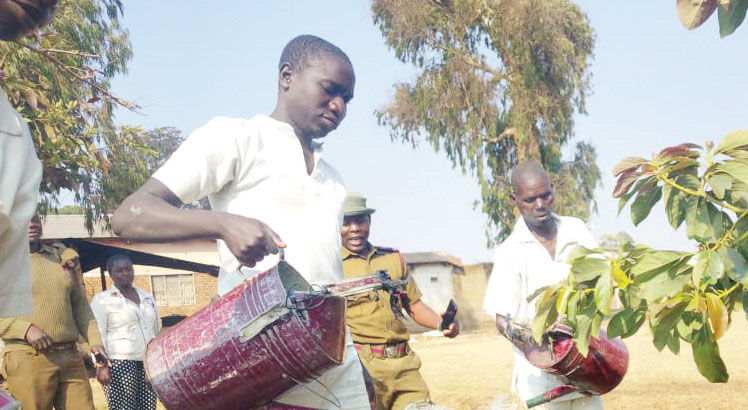
Dedza Prison Malawi: Seeks Rehabilitation Support for Inmate Programs
Summary
- Dedza Prison has appealed for support to enhance its inmate rehabilitation activities.
- The requested items include farming equipment, farm inputs, water facilities, and electrical tools for welding and carpentry.
- Inmates are currently engaged in various productive activities, such as farming, welding, carpentry, car washing, and poultry farming.
- The appeal aims to strengthen existing vocational training and prisoner rehabilitation initiatives in Malawi.
- This situation highlights potential corporate social responsibility opportunities for businesses and legal firms to support Malawi's correctional facilities.
Dedza Prison Seeks Enhanced Rehabilitation Support
The call for Dedza Prison rehabilitation support Malawi presents significant opportunities for external stakeholders, particularly within the realm of corporate social responsibility (CSR).
Dedza Prison in Malawi has issued a public appeal for assistance from various benefactors to bolster its ongoing rehabilitation initiatives. The correctional facility is specifically seeking donations of essential resources, including farming equipment and agricultural inputs, to support its productive agricultural endeavors. These provisions are crucial for maintaining and expanding the prison's self-sustaining activities and ensuring inmates have access to practical, hands-on experience.
Additionally, the prison requires improved water facilities, which are fundamental for both daily operations and supporting agricultural projects. Specialized electrical equipment is also on the list of urgent needs, particularly for vocational training in both welding and carpentry trades. These tools are indispensable for providing modern, relevant skills that can translate into employment opportunities post-incarceration.
This urgent request is driven by the institution's commitment to providing meaningful engagement and skill development opportunities for its inmate population. The requested provisions are deemed vital for sustaining and expanding the range of programs aimed at preparing prisoners for successful reintegration into their communities upon release, thereby reducing recidivism and contributing positively to society.
Diverse Vocational Training Bolsters Inmate Skills
Inmates at Dedza Prison are actively involved in a variety of vocational and productive activities designed to impart valuable skills and foster a sense of purpose. These Dedza Prison inmate programs encompass a broad spectrum of trades, including extensive farming operations that provide both food for the facility and agricultural training for prisoners. Practical welding instruction and hands-on carpentry training are also core components, offering inmates marketable skills in construction and fabrication.
Beyond these traditional areas, prisoners also participate in car washing services, which teach customer service and practical vehicle maintenance, and poultry farming, contributing to food security and animal husbandry knowledge. These diverse vocational works are integral to the prison's overall strategy for prisoner rehabilitation initiatives Malawi, aiming to equip individuals with tangible skills that can lead to gainful employment and reduce the likelihood of reoffending.
The current appeal for Malawi correctional facility donations directly targets the enhancement of these existing programs, ensuring that inmates have access to the necessary tools and resources to effectively learn and practice their chosen vocations. Strengthening these efforts is crucial for the long-term success of rehabilitation within the facility, transforming incarceration into a period of personal growth and skill acquisition.
Broader Implications for Corporate Engagement and Human Rights
The call for Dedza Prison rehabilitation support Malawi presents significant opportunities for external stakeholders, particularly within the realm of corporate social responsibility (CSR). This appeal underscores potential CSR opportunities Malawi prisons for businesses and organizations looking to contribute meaningfully to community development and offender rehabilitation. Providing resources for Malawi prison vocational training can yield substantial societal benefits, aligning with corporate values of social impact and sustainable development.
For the legal sector, this situation offers a pertinent case study and potential avenues for engagement. It highlights potential pro bono opportunities for legal firms and their clients interested in supporting inmate rehabilitation and skills development, perhaps through direct donations or by facilitating partnerships. Such involvement can extend beyond financial aid to include expertise sharing or advocacy for improved correctional practices.
Concurrently, this appeal provides valuable insight for human rights lawyers who monitor conditions and resource allocation within Malawi's correctional facilities. It offers a glimpse into the operational needs and challenges faced by institutions like Dedza Prison in their efforts to uphold humane treatment and foster rehabilitation, emphasizing the ongoing need for external support to meet these critical objectives.
Practical Implications
This appeal from Dedza Prison highlights potential corporate social responsibility (CSR) or pro bono engagement opportunities for legal firms and their clients interested in supporting inmate rehabilitation and skills development in Malawi. It also provides insight for human rights lawyers monitoring conditions and resource allocation within Malawi's correctional facilities.
Source
How does this affect you?
Get an AI analysis of this article grounded in your jurisdictions, practice areas, and any policy documents you've uploaded to Wansom.
Finish Reading the Full Story and the Expert Analysis.
Get the latest legal & regulatory intelligence in Malawi
Wansom is AI and can make mistakes.