
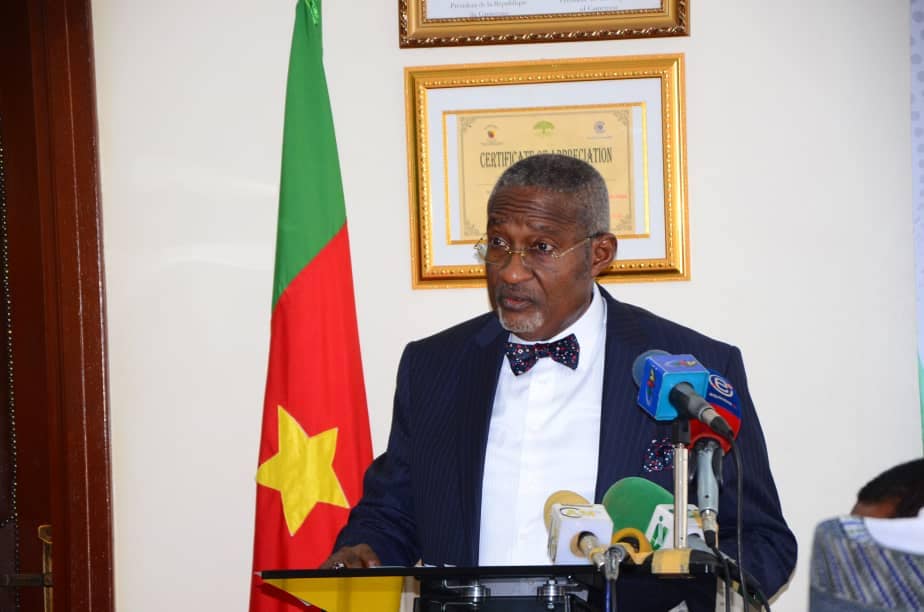
Paul Biya: Décret 2026/344 Renews Elections Cameroon Electoral Council
Summary
- President Paul Biya issued Decree n° 2026/344 on November 9, 2026.
- The decree renewed the mandates of the president, vice-president, and ten members of Elections Cameroon's Electoral Council.
- Enow Abrams Egbe, the council's president, and Mme Amugu, the vice-president, were among those whose four-year terms were extended.
- These mandates had previously expired in July 2026, leading to debates about the council's legitimacy.
- The renewal resolves legal uncertainty for the Electoral Council ahead of upcoming legislative and municipal elections.
Presidential Decree Reaffirms Electoral Body's Authority
This ensures a more stable and legally sound environment for democratic participation, providing legal certainty regarding the operational capacity of the body overseeing upcoming elections and its ability to execute its mandate without legal challenge.
President Paul Biya of Cameroon recently issued a significant decree, number 2026/344, on November 9, 2026, which formally renewed the terms of key officials within Elections Cameroon's Electoral Council. This executive action specifically extended the mandates for the council's president, Enow Abrams Egbe, and its vice-president, Mme Amugu, née Abena Ekobena Appoline Marie. The decree also encompassed the renewal of mandates for ten additional members of the council, ensuring their continued participation in the nation's electoral oversight body.
The individuals whose terms were extended include Cécile Bomba Nkolo, Epoh née Ngo Hagbe Bell Clémence Fleur, Njeuma née Effange Dorothy Limunga, and Sadou Daoudou née Lady Bawa. Additionally, Messieurs Adamou Ali, Dieudonné Belle Amougou, Thomas Ejake Mbonda, Haman Dahirou, Elie Mbonda, and Nga Gasper Thairinyuy also saw their positions reaffirmed. These renewals grant a further four-year term to the affected officials, solidifying the composition of the Electoral Council and ensuring continuity in its leadership.
Addressing a Period of Uncertainty
The presidential intervention came more than two months after the previous mandates of these officials, including that of President Enow Abrams Egbe, had formally concluded in July 2026. This lapse in official terms had generated considerable discussion and concern regarding the operational legitimacy of the Electoral Council. With crucial legislative and municipal elections on the horizon, the status of the body responsible for overseeing these polls had become a focal point of public and political debate.
The absence of a formally renewed mandate for such a critical institution, particularly in the run-up to national elections, raised pertinent questions about the legal foundation of any decisions or preparations undertaken by the council during that interim period. The discussions centered on whether the council, with its expired terms, could effectively and legitimately carry out its constitutional duties, potentially impacting the integrity of the entire electoral framework. This situation created a climate of uncertainty that could have undermined confidence in the upcoming electoral processes.
Restoring Confidence in the Electoral Process
By signing decree 2026/344, President Biya has effectively resolved the contentious issue surrounding the Conseil électoral Cameroun légitimité. The renewal of the mandat for Enow Abrams Egbe and other membres Elections Cameroon renouvelés for another four years provides a clear legal basis for the council to operate. This decisive action aims to dispel any lingering doubts about the authority and capacity of Elections Cameroon to manage the forthcoming legislative and municipal elections, thereby strengthening the institutional framework.
The immediate effect of this décret 2026/344 Paul Biya Elections Cameroon is to shift public and political attention away from procedural legitimacy debates and back towards the substantive aspects of the electoral process itself. With the key actors now formally constituted and their renouvellement mandat Elections Cameroon confirmed, the focus can fully return to the preparations and conduct of the elections. This ensures a more stable and legally sound environment for democratic participation, providing legal certainty regarding the operational capacity of the body overseeing upcoming elections and its ability to execute its mandate without legal challenge.
Practical Implications
This decree re-establishes the legal legitimacy of Elections Cameroon, resolving potential challenges to the electoral process based on expired mandates. Lawyers advising on electoral law or participating in election monitoring should note that the body overseeing upcoming elections is now formally constituted for another four years, ensuring legal certainty regarding its operational capacity.
Source
How does this affect you?
Get an AI analysis of this article grounded in your jurisdictions, practice areas, and any policy documents you've uploaded to Wansom.
Finish Reading the Full Story and the Expert Analysis.
Get the latest legal & regulatory intelligence in Cameroon
Wansom is AI and can make mistakes.