
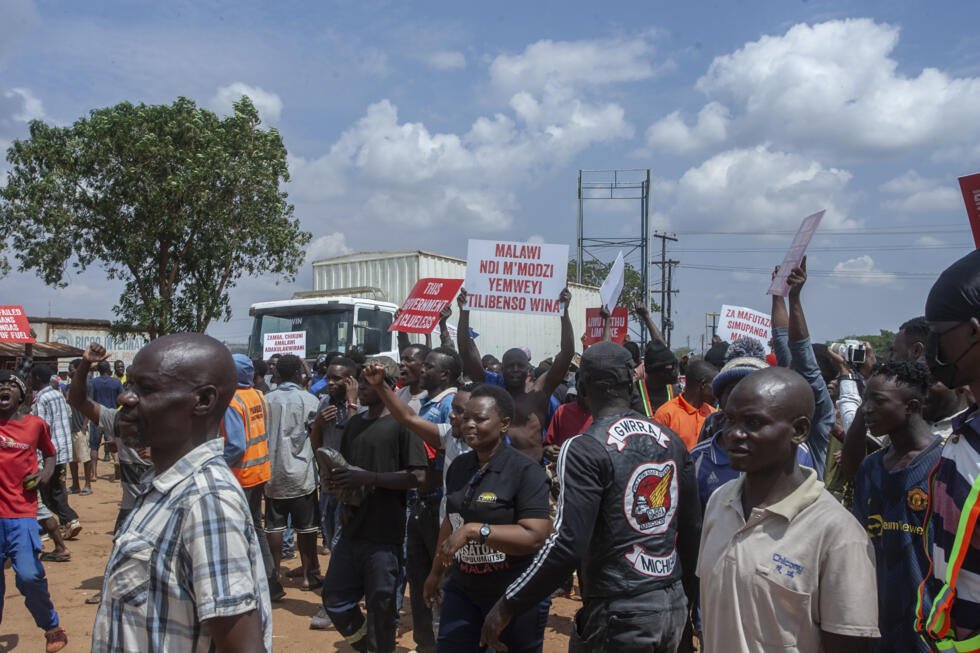
Malawi's Debt Crisis Deepens: Debt Justice Network Calls for New IMF Program
Summary
The African Sovereign Debt Justice Network has warned that Malawi's deepening debt distress threatens its future debt sustainability.
This distress is attributed to underlying structural weaknesses driving the country's fiscal crisis.
The warning was issued in the network's September 2026 report on Malawi's debt situation.
Comprised of citizens, scholars, civil society, and church groups, the network stressed the importance of securing a new International Monetary Fund program.
Malawi's Mounting Debt Concerns
Deepening debt distress could signal increased risk for financial transactions, potential for future debt restructuring, or changes in regulatory frameworks impacting foreign investment and debt recovery.
Malawi is currently grappling with a significant and escalating debt crisis, a situation that the African Sovereign Debt Justice Network (ASDJN) has highlighted as a critical threat to the nation's long-term economic viability. This deepening debt distress is not merely a financial statistic but represents a fundamental challenge that could severely compromise the country's ability to manage its finances sustainably in the future. The core issue, according to expert analysis, stems from inherent structural weaknesses within the Malawian economy.
These underlying vulnerabilities are directly responsible for driving the current fiscal crisis, creating a precarious economic environment. For Malawi to navigate this challenging period successfully and secure its economic future, it is imperative that governmental authorities proactively address these foundational issues. Without decisive action to rectify the root causes of the fiscal instability, the trajectory of the nation's debt could become increasingly unsustainable.
The African Sovereign Debt Justice Network's Warning
The African Sovereign Debt Justice Network, a prominent coalition dedicated to advocating for equitable sovereign debt practices, recently issued a stark warning regarding Malawi's financial health. This influential network, which draws its membership from a diverse array of stakeholders including concerned citizens, academic scholars, various civil society actors, and faith-based church groups, published its findings in a comprehensive report in September 2026.
The report specifically focused on Malawi’s evolving debt situation, providing a detailed assessment of the challenges faced by the nation. Within this critical document, the ASDJN underscored that the escalating debt distress poses a direct threat to the country's capacity for future debt sustainability. A key recommendation from the network's analysis emphasized the crucial importance of securing a new International Monetary Fund program, indicating the perceived necessity of external financial support and structural reforms to stabilize the economy.
Implications for Future Stability
The persistent and deepening debt distress in Malawi, as articulated by the African Sovereign Debt Justice Network, carries profound implications for the nation's economic stability and its standing in the global financial landscape. This Malawi fiscal crisis warning signals a period of heightened uncertainty, underscoring the urgent need for comprehensive reforms to address the Malawi economic structural weaknesses that fuel the problem. The African Sovereign Debt Justice Network report serves as a critical alert, highlighting Malawi debt sustainability concerns that extend beyond immediate financial pressures to long-term development prospects.
For international investors and legal professionals, these developments warrant close attention. Lawyers advising clients with investments in Malawi or involved in financing arrangements should closely monitor the government's response to these warnings. Deepening debt distress could signal increased risk for financial transactions, potential for future debt restructuring, or changes in regulatory frameworks impacting foreign investment and debt recovery. The prospect of IMF Malawi debt negotiations, as hinted by the network, suggests that significant policy shifts may be on the horizon, potentially altering the operational environment for businesses and creditors. The overarching message from the African Sovereign Debt Justice Network is clear: without a concerted effort to tackle the fundamental drivers of its debt, Malawi faces an increasingly challenging path toward economic resilience.
Practical Implications
Lawyers advising clients with investments in Malawi or involved in financing arrangements should closely monitor the government's response to these warnings. Deepening debt distress could signal increased risk for financial transactions, potential for future debt restructuring, or changes in regulatory frameworks impacting foreign investment and debt recovery.
Source
How does this affect you?
Get an AI analysis of this article grounded in your jurisdictions, practice areas, and any policy documents you've uploaded to Wansom.
Finish Reading the Full Story and the Expert Analysis.
Get the latest legal & regulatory intelligence in Malawi
Wansom is AI and can make mistakes.