
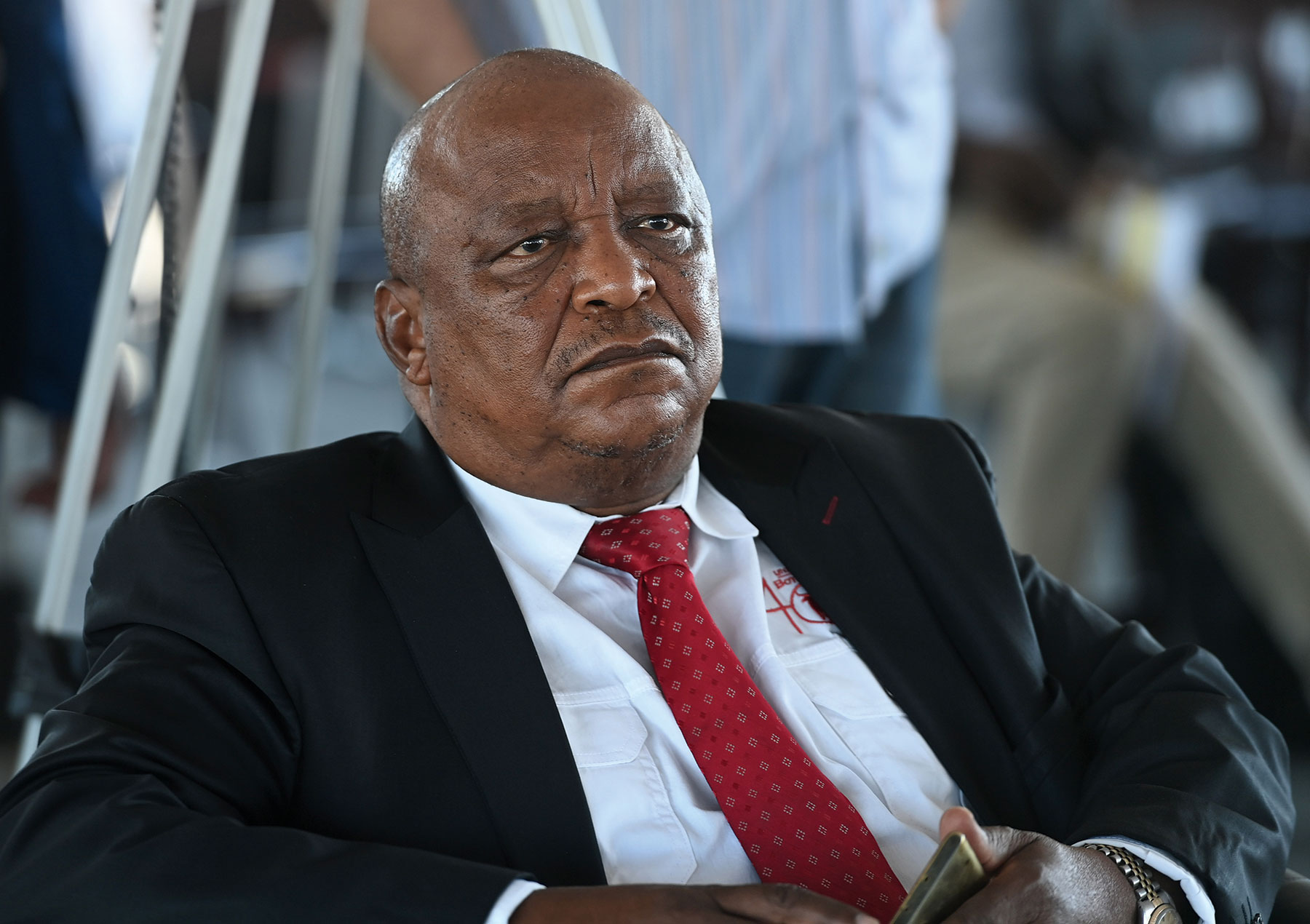
DCEC: Eric Molale Charged as Ghanzi Road Tender Decision Maker
Summary
- The Directorate on Corruption and Economic Crime (DCEC) stated that former Minister Eric Molale was the original decision maker for the Ghanzi-New Xade road tender.
- Allegations against Molale specifically concern the award of the contract itself.
- This particular allegation is distinct from other charges related to the matter.
- The DCEC's statement highlights heightened scrutiny on public procurement processes in Botswana.
- Eric Molale has been formally charged in connection with the Ghanzi-New Xade road tender and is scheduled to appear in court on October 9, 2026.
What Happened
This development signals heightened scrutiny by the DCEC on public procurement processes and tender awards in Botswana, particularly involving high-profile officials.
The Directorate on Corruption and Economic Crime (DCEC) has recently announced that former Minister of Transport and Public Works, Eric Molale, has been formally charged in connection with the Ghanzi-New Xade road tender, identifying him as the pivotal figure in the contract's initial approval. According to the anti-corruption agency, Molale held the critical role of the "original decision maker" concerning this significant public works project. This designation places him at the heart of the tender process that ultimately led to the contract's award.
The DCEC's statement underscores that the allegations against Mr. Molale are distinct from other charges that may be circulating or are part of a broader inquiry. Instead, the focus of the current accusation against the former minister is squarely on the "award of the contract itself." This specificity highlights a direct challenge to the integrity of the procurement decision made under his purview, rather than peripheral issues related to the project's execution or other aspects of the tender. The agency's pronouncement signals a direct line of inquiry into the foundational decision-making process for the Ghanzi-New Xade road contract.
Regulatory Scrutiny and Legal Context
This development signals heightened scrutiny by the DCEC on public procurement processes and tender awards in Botswana, particularly involving high-profile officials. The Directorate on Corruption and Economic Crime is mandated to investigate and prosecute corruption, and its explicit identification of an "original decision maker" in a tender process carries significant weight. In Botswana's legal framework, the integrity of public tenders is paramount, and any perceived deviation from established procedures or ethical standards can trigger rigorous investigation. The DCEC's emphasis on the "award of the contract itself" suggests a deep dive into the criteria, transparency, and fairness of the decision-making process at the point of selection.
The distinction drawn by the DCEC between this specific allegation and "some of the other charges in the matter" indicates a targeted approach to the investigation concerning Eric Molale. This suggests that while other aspects of the Ghanzi-New Xade road tender or related issues might be under review, the core accusation against Molale pertains directly to his authority and actions in granting the contract. This focus is crucial for legal practitioners and public officials alike, as it highlights the direct accountability associated with the final decision to award a government contract, especially within the context of Botswana public works tender procedures.
Why It Matters
The DCEC's assertion that Eric Molale was the original decision maker in the Ghanzi-New Xade road tender holds substantial implications for accountability within Botswana's governmental structures. Identifying the individual directly responsible for the initial approval of a contract is a critical step in any corruption investigation, as it pinpoints where potential malfeasance might have originated. This clarity from the Directorate on Corruption and Economic Crime reinforces the principle that those in positions of power, particularly ministers overseeing significant public expenditure, bear direct responsibility for the integrity of the processes under their charge.
This specific focus on the Molale tender award decision serves as a potent reminder to all public officials involved in procurement that their actions, particularly at the crucial stage of contract awarding, are subject to intense scrutiny. Lawyers advising clients on government contracts or facing corruption investigations should note the focus on original decision-makers and potential liabilities. The DCEC's public statement regarding the Ghanzi-New Xade road contract underscores the agency's commitment to pursuing allegations of corruption at the highest levels, ensuring that the integrity of public funds and procurement processes remains uncompromised. These corruption allegations against Eric Molale, which have led to formal charges and a scheduled court appearance, set a precedent for how future high-profile tender disputes may be handled.
Practical Implications
This development signals heightened scrutiny by the DCEC on public procurement processes and tender awards in Botswana, particularly involving high-profile officials. Lawyers advising clients on government contracts or facing corruption investigations should note the focus on original decision-makers and potential liabilities.
Source
How does this affect you?
Get an AI analysis of this article grounded in your jurisdictions, practice areas, and any policy documents you've uploaded to Wansom.
Finish Reading the Full Story and the Expert Analysis.
Get the latest legal & regulatory intelligence in Botswana
Wansom is AI and can make mistakes.