
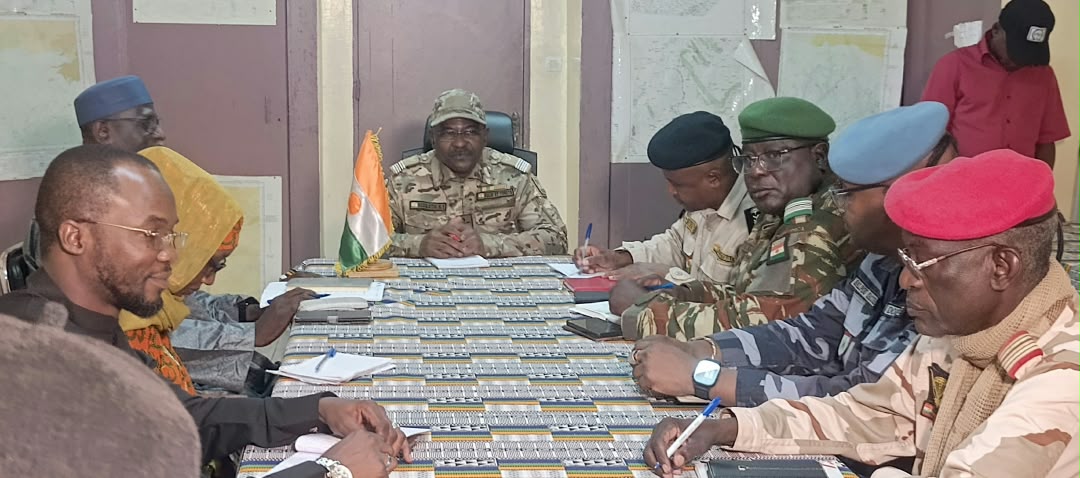
DCAF: Diagnostic Mission Zinder Justice Security in Niger
Summary
- A DCAF diagnostic mission met with the Regional Security Council in Zinder, Niger, on September 15, 2026.
- Led by Inspector General of Police Mahaman Laouali Madougou, the mission aims to assess local needs in security, justice, and social cohesion.
- This mission is a preparatory step for DCAF's 2026-2030 program, covering the Maradi, Tahoua, and Zinder regions.
- The consultations in Zinder gathered data to inform future interventions for strengthening security, social cohesion, and access to justice.
- The meeting also enhanced the consultation framework between regional authorities and partners in these sectors.
Key Diagnostic Mission Convenes in Zinder
The consultations initiated in Zinder are recognized as a pivotal stage within the broader diagnostic process undertaken by DCAF.
On Tuesday, September 15, 2026, a significant meeting of the Regional Security Council took place in Zinder, Niger. This gathering was presided over by Colonel Massalatchi Mahaman Sani, who serves as the Governor of the Zinder region. The primary agenda item for the council was an engagement with a specialized diagnostic mission dispatched by the Centre de Genève pour la gouvernance du secteur de la sécurité, widely known as DCAF. This crucial DCAF diagnostic mission Zinder justice security initiative is part of a broader effort targeting three distinct regions within Niger: Maradi, Tahoua, and Zinder.
The mission, led by Inspector General of Police Mahaman Laouali Madougou, who also holds the position of National Advisor to DCAF, is tasked with a comprehensive assessment. Its core objective is to meticulously evaluate the specific local requirements pertaining to security, justice, and the critical aspect of social cohesion within these areas. The discussions held in Zinder involved members of the Regional Security Council alongside various other pertinent stakeholders, facilitating a direct exchange of information and perspectives.
These consultations are designed to gather detailed data regarding the prevailing realities, the inherent challenges, and the particular needs of the Zinder region across the identified domains. This systematic approach aims to cultivate a more profound understanding of the local context. Such an informed perspective is deemed essential for the effective planning of future activities, ensuring they are precisely aligned with the priorities and needs articulated directly from the field.
DCAF's Strategic Program for Niger
The deployment of this diagnostic mission is intrinsically linked to the preparatory phase and subsequent implementation of DCAF's ambitious 2026-2030 program for Niger. This multi-year initiative underscores the Centre de Genève gouvernance secteur sécurité Niger's commitment to fostering improved governance within the security sector across the nation. The current fact-finding efforts, particularly those undertaken in Zinder, represent a foundational step in shaping the strategic direction and practical interventions of this upcoming program.
By engaging directly with regional authorities and local actors, the mission seeks to build a robust knowledge base. This detailed understanding of the challenges and opportunities in areas such as security provision, judicial access, and community integration is vital. The insights gleaned from these interactions will directly inform the design of DCAF's future activities, ensuring that resources and efforts are directed towards addressing the most pressing issues identified on the ground. The overarching goal is to ensure that the planned interventions are not only relevant but also highly effective in achieving sustainable improvements.
Beyond data collection, the collaborative nature of these exchanges, as observed during the Conseil Régional Sécurité Zinder DCAF meeting, also serves a dual purpose. It actively strengthens the framework for consultation between regional governmental authorities and the various partners who are actively involved in these critical sectors. This enhanced dialogue is expected to foster greater coordination and synergy among all stakeholders working towards common objectives in security and justice reform.
Guiding Future Interventions and Reforms
The consultations initiated in Zinder are recognized as a pivotal stage within the broader diagnostic process undertaken by DCAF. These discussions are expected to play a crucial role in guiding the specific interventions that will be developed and implemented over the next several years. The focus of these future efforts will be multifaceted, aiming to bolster security frameworks, enhance social cohesion among communities, and significantly improve accès justice Maradi Tahoua Zinder, and other targeted regions.
This strategic approach signals a potential for substantial réforme secteur sécurité Niger, as DCAF's program is designed to translate identified needs into actionable strategies. The comprehensive data gathered will enable DCAF to tailor its support, ensuring that initiatives are context-specific and address the root causes of challenges in the justice and security domains. The ultimate objective is to contribute to a more stable and equitable environment for the populations residing in these regions.
The reinforcement of the consultation framework, a direct outcome of the Zinder meeting, is particularly noteworthy. It signifies a commitment to collaborative governance, where regional insights are systematically integrated into national and international development efforts. This collaborative model is essential for the successful long-term impact of any reform initiatives in the security and justice sectors.
Practical Implications
This diagnostic mission signals potential future reforms and development initiatives in the justice and security sectors within Zinder, Maradi, and Tahoua regions of Niger, planned under DCAF's 2026-2030 program. Lawyers and compliance officers should monitor DCAF's upcoming program announcements for changes that could impact legal frameworks, enforcement, or access to justice in these areas, potentially affecting client operations or legal advice.
Source
How does this affect you?
Get an AI analysis of this article grounded in your jurisdictions, practice areas, and any policy documents you've uploaded to Wansom.
Finish Reading the Full Story and the Expert Analysis.
Get the latest legal & regulatory intelligence in Niger
Wansom is AI and can make mistakes.