
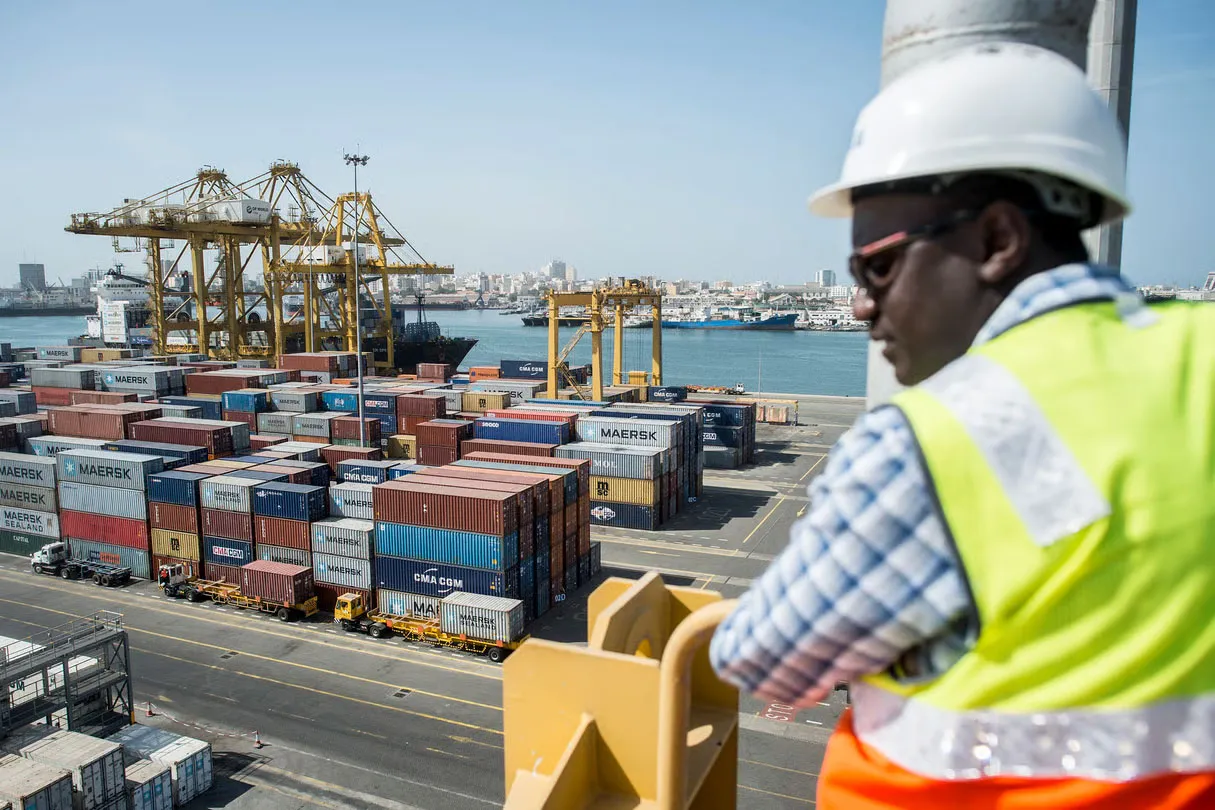
Dakar Port: Maritime Companies Report High Fines, Compliance Concerns
A recent independent survey by the Maritime Anti-Corruption Network (MACN) revealed that 41% of maritime companies operating at the Port of Dakar, Senegal, have faced fines exceeding $20,000, leading to increased operational costs and concerns about predictability and transparency.
This report highlights significant regulatory and operational challenges within Senegal's maritime sector, impacting the ease of doing business and potentially deterring foreign investment. The prevalence of high fines and the reported reluctance of 35% of companies to continue operations signal a need for urgent reform to enhance legal certainty and administrative efficiency. For legal practitioners, this points to potential areas of dispute resolution, regulatory compliance, and advisory work related to port operations, customs, and international trade law. The introduction of a "Special Dakar Clause" by some companies underscores the perceived legal and financial risks associated with operating in the port, indicating a systemic issue that requires attention.
The issues raised touch upon various aspects of Senegalese administrative law, customs regulations, maritime law, and potentially anti-corruption frameworks. While specific statutes are not detailed, the concerns about "prévisibilité et davantage de transparence dans les procédures" suggest challenges in the consistent and transparent application of existing laws and regulations by port authorities and customs officials. The call for "procédures consensuelles, prévisibles et transparentes" implies a need for clearer legal guidelines, standardized operational procedures, and potentially reforms to reduce discretionary powers that could lead to arbitrary fines. The comparison to Nigeria's standardized procedures suggests that international best practices and harmonized legal frameworks could serve as models for reform in Senegal.
The key parties involved are the Maritime Anti-Corruption Network (MACN), the maritime companies operating at the Port of Dakar, the Senegalese port authorities, customs officials, and the Senegalese government. Mame Adama Guèye, the country representative for MACN, is a prominent voice advocating for dialogue and reform, emphasizing the need for collaboration between the state and stakeholders to address these systemic issues.
Attorneys advising maritime companies, logistics providers, or international traders with operations in Senegal should proactively assess the risks associated with port operations in Dakar. This includes reviewing contractual clauses, understanding the potential for unexpected fines, and advising on strategies to mitigate operational and financial uncertainties. Legal professionals should monitor any forthcoming legislative or regulatory reforms aimed at improving transparency and predictability in port procedures, as well as any initiatives stemming from the dialogue between the State and stakeholders. Companies should consider engaging with industry bodies like MACN to advocate for reforms and share best practices, while also ensuring robust internal compliance mechanisms to navigate the current regulatory environment and minimize exposure to arbitrary penalties.
How does this affect you?
Get an AI analysis of this article grounded in your jurisdictions, practice areas, and any policy documents you've uploaded to Wansom.
Finish Reading the Full Story and the Expert Analysis.
Get the latest legal & regulatory intelligence in Senegal
Wansom is AI and can make mistakes.