
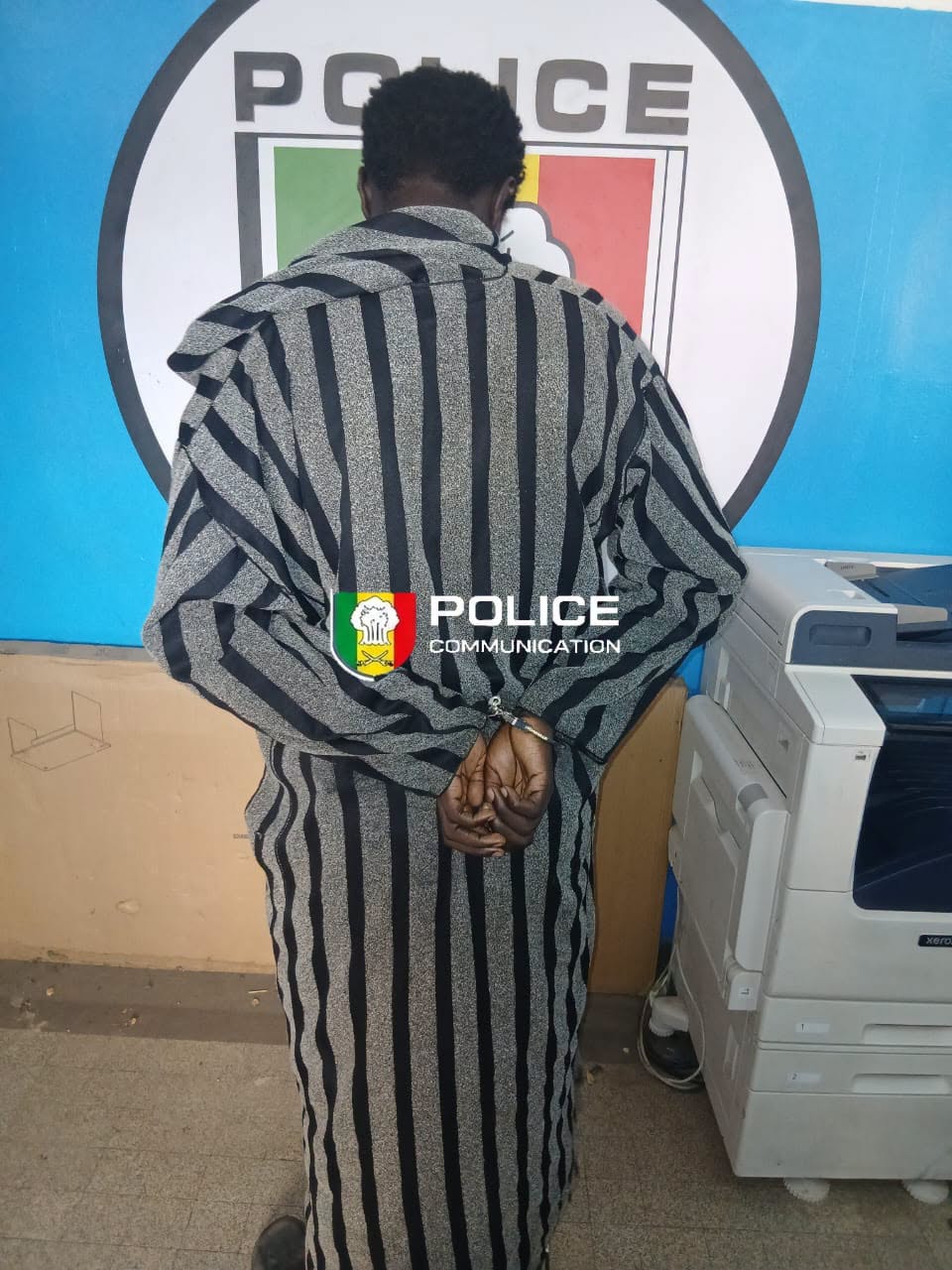
Dakar Plateau Police: Online Scammer Referred to Prosecutor for Fraud
Summary
- An individual was referred to the public prosecutor's office in Dakar on November 6, 2026, for online fraud.
- The charges include fraud, forgery, and the use of forged banking, commercial, and administrative documents.
- The investigation began on November 2, 2026, following an alert from a local merchant in Dakar-Plateau.
- The alleged scam involved paying for online orders using stolen bank cards over approximately one month.
What Happened
The individual now faces serious charges, specifically "escroquerie" (fraud), "faux" (forgery), and "usage de faux" (use of forged documents).
On November 6, 2026, the Dakar Plateau District Police Station formally referred an individual to the public prosecutor's office in connection with an extensive online fraud operation. This action follows an investigation into a sophisticated scheme that involved the illicit use of stolen financial instruments for online purchases. The referral underscores the active stance of law enforcement against cybercrime in the region, with a Dakar online scammer referred prosecutor for further legal action.
The investigation into this online fraud in Dakar began just four days prior, on November 2, 2026. It was prompted by a crucial alert from a local merchant operating within the Dakar-Plateau area. This merchant's vigilance brought to light a pattern of suspicious transactions that had been occurring for approximately one month.
The core of the scam involved numerous online orders being paid for using bank cards that had been reported as stolen. This method allowed the perpetrator to acquire goods or services without legitimate payment, causing financial losses to both cardholders and businesses. The swift response from the Dakar Plateau police referral highlights a growing focus on combating digital illicit activities, particularly those involving a stolen bank card scam Senegal.
Legal Context and Charges
The individual now faces serious charges, specifically "escroquerie" (fraud), "faux" (forgery), and "usage de faux" (use of forged documents). These charges are comprehensive, covering not only the act of deception but also the creation and deployment of false instruments to facilitate the criminal enterprise. The legal framework in Senegal, particularly concerning "escroquerie faux usage de faux Sénégal," provides robust mechanisms for prosecuting such offenses.
The scope of the forgery charges is particularly broad, encompassing banking, commercial, and administrative documents. This indicates a multi-faceted approach by the alleged scammer, suggesting a complex operation that extended beyond simple card misuse to potentially involve falsified identities or business records. Such a wide array of forged documents points to a significant level of premeditation and organization in the online fraud Dakar prosecution.
The referral to the prosecutor signifies the formal initiation of legal proceedings, where the evidence gathered by the police will be presented to determine the appropriate course of action, including potential indictment and trial. This step is critical in the broader effort to address cybercrime prosecution Senegal and protect the integrity of its digital economy.
Why It Matters
This case serves as a stark reminder of the persistent threat posed by online fraud to businesses and consumers alike, particularly in rapidly digitizing economies. The use of stolen bank card scam Senegal methods for online transactions highlights vulnerabilities that e-commerce platforms and financial institutions must continuously address. The prompt police action in Dakar demonstrates a commitment to safeguarding digital commerce.
For legal professionals and compliance officers, this development underscores the importance of robust fraud detection and prevention protocols. The fact that the scam operated for a month before being detected by a merchant suggests that continuous monitoring and proactive measures are essential. This incident reinforces the need for businesses to invest in advanced security technologies and employee training to identify and report suspicious activities.
The prosecution of individuals involved in such schemes sends a clear message that cybercrime will not be tolerated. It reinforces public trust in online transactions and encourages greater collaboration between law enforcement, financial institutions, and merchants to create a more secure digital environment. This ongoing vigilance is crucial for the sustained growth of online commerce in Senegal.
Practical Implications
Lawyers advising e-commerce businesses in Senegal should note the active prosecution of online fraud, particularly involving stolen bank cards and false documents. Compliance officers should review and strengthen their fraud detection and prevention protocols for online transactions to mitigate risks and ensure adherence to anti-fraud measures.
Source
How does this affect you?
Get an AI analysis of this article grounded in your jurisdictions, practice areas, and any policy documents you've uploaded to Wansom.
Finish Reading the Full Story and the Expert Analysis.
Get the latest legal & regulatory intelligence in Senegal
Wansom is AI and can make mistakes.