
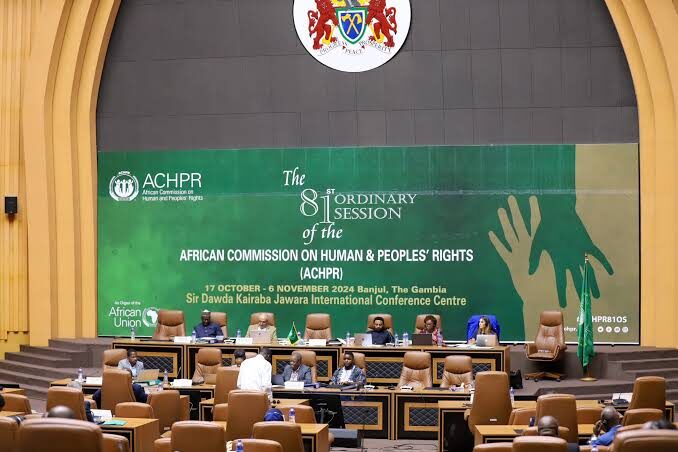
Dakar Human Rights Defenders Convene Before African Commission Session
Summary
- Over 200 human rights advocates from various African countries convened in Dakar for a civil society forum.
- The forum addressed obstacles faced by human rights defenders, including legal restrictions and harassment.
- Participants believe civic space is shrinking across Africa, making their work more difficult.
- The gathering took place just before the African Commission on Human and Peoples' Rights session, scheduled for Dakar on October 12, 2026.
- The forum aimed to inform the African Commission, an African Union body, about these urgent concerns before its official proceedings.
A Pre-Commission Gathering in Dakar
The proactive engagement of civil society with the African Commission on Human and Peoples' Rights highlights the critical role of non-governmental organizations in advocating for human rights violations and holding states accountable.
More than 200 human rights advocates and civil society representatives from across various African nations recently convened in Dakar for a crucial forum. This significant gathering was specifically dedicated to addressing the growing obstacles encountered by human rights defenders throughout the continent. The event served as a preparatory meeting, strategically held in advance of the upcoming session of the African Commission on Human and Peoples' Rights.
The forum in Dakar provided a vital platform for participants to share their direct experiences and concerns, aiming to inform the African Commission's deliberations. The official session of the African Commission on Human and Peoples' Rights is scheduled to commence in the Senegalese capital on Monday, October 12, 2026. By convening ahead of this important regulatory body, the civil society organizations sought to ensure their perspectives were clearly communicated to the commissioners before the formal proceedings began.
Mounting Pressures and Shrinking Civic Space
A central theme emerging from the Dakar civil society forum was the widespread belief among participating organizations that civic space is experiencing a significant contraction across Africa. This trend, they contend, is making the work of human rights defenders increasingly difficult in numerous countries. Discussions during the forum delved into the specific challenges faced by activists, highlighting a range of pressures that impede their crucial work.
Attendees shared personal accounts and collective observations regarding the various forms of pressure exerted on human rights activists. These included legal restrictions designed to curtail their activities, persistent harassment, and other coercive tactics. The collective experiences underscored a challenging environment where those working to uphold human rights often face significant personal and professional risks, directly impacting their ability to operate effectively and safely.
The African Commission's Mandate and Upcoming Session
The African Commission on Human and Peoples' Rights, an integral organ of the African Union, bears the critical responsibility of ensuring the respect and protection of human rights across its member states. This body plays a pivotal role in the continent's human rights architecture, serving as a key mechanism for accountability and oversight. Its functions include the examination of reports submitted by member states concerning their human rights records.
Furthermore, the Commission is tasked with receiving and investigating communications that detail alleged human rights violations. The upcoming African Commission on Human and Peoples' Rights session in Dakar in October 2026 is therefore a crucial event. The timing of the civil society forum, preceding this session, underscores the strategic intent of human rights defenders to directly influence the Commission's agenda and bring their urgent concerns about shrinking civic space in Africa to the forefront of its discussions.
Why These Concerns Matter for Regional Human Rights
The collective alarm raised by over 200 actors in Dakar regarding the pressures on human rights defenders and the shrinking civic space in Africa carries significant weight for the continent's human rights landscape. These concerns are not isolated incidents but reflect a broader pattern that could undermine democratic principles and the rule of law. The detailed accounts of legal restrictions and harassment presented at the Dakar civil society forum provide concrete evidence of the challenges faced by those working to protect fundamental freedoms.
The proactive engagement of civil society with the African Commission on Human and Peoples' Rights highlights the critical role of non-governmental organizations in advocating for human rights violations and holding states accountable. The issues brought forward by these human rights defenders are expected to be central to the Commission's deliberations, potentially influencing its resolutions and recommendations for member states. This direct input from the ground is essential for the Commission to effectively fulfill its mandate and address the evolving human rights challenges facing the African Union.
Practical Implications
Lawyers advising NGOs, civil society organizations, or working in human rights advocacy should closely monitor the upcoming session of the African Commission on Human and Peoples' Rights, as the concerns raised by over 200 actors in Dakar indicate these issues will be central to the Commission's deliberations and potential resolutions. This could inform future litigation, advocacy strategies, or compliance advice regarding civic freedoms across the continent.
Source
How does this affect you?
Get an AI analysis of this article grounded in your jurisdictions, practice areas, and any policy documents you've uploaded to Wansom.
Finish Reading the Full Story and the Expert Analysis.
Get the latest legal & regulatory intelligence in Senegal
Wansom is AI and can make mistakes.