
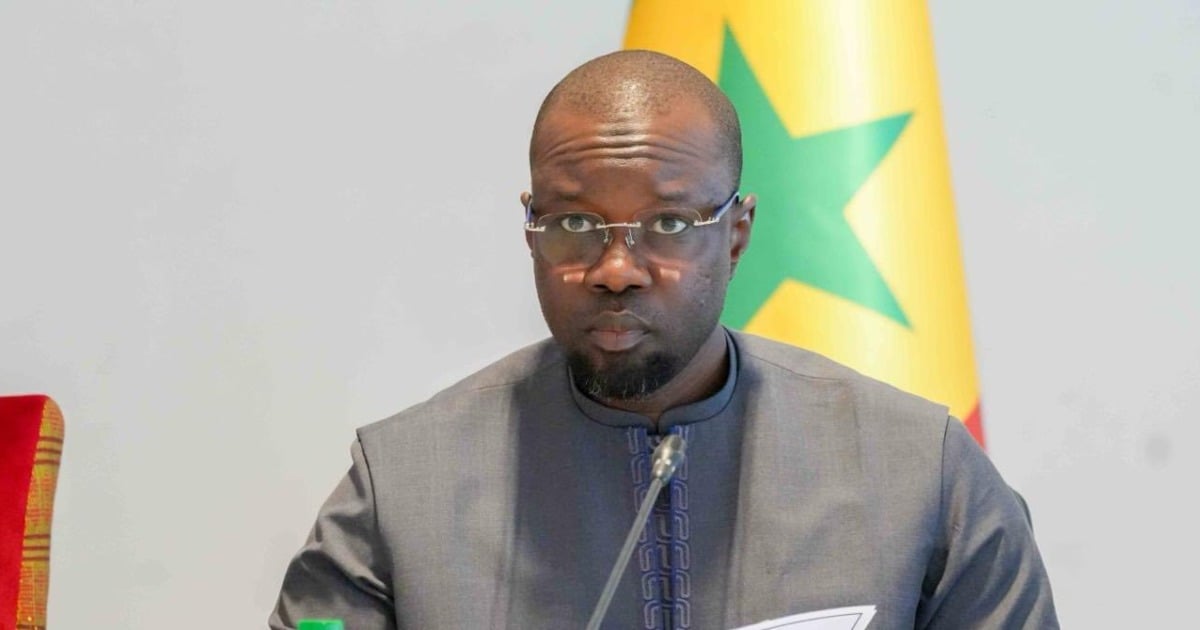
Dakar Court to Rule December 9 on Ousmane Sonko Keur Gorgui Villa Ownership
In Senegal, the 3rd civil chamber of the Tribunal de grande instance de Dakar is set to rule on December 9 regarding the ownership of a villa in Cité Keur Gorgui, which Mame Mbaye Niang seeks to have re-registered in Ousmane Sonko's name, alleging that its current registration to Sonko's family members is an attempt to evade a 200 million CFA franc defamation judgment.
This case highlights the complexities of asset recovery and the enforcement of civil judgments in Senegal, particularly when allegations of fraudulent conveyance or organized insolvency are raised. It underscores the challenges faced by judgment creditors in tracing assets and the potential for debtors to employ strategies to shield property from execution. The outcome of this matter, which is not yet reported, will set a precedent for how courts in Senegal address attempts to circumvent judgment enforcement through property transfers to family members, potentially influencing future litigation strategies for both creditors and debtors.
The dispute falls squarely under Senegalese civil law, specifically concerning property law, the enforcement of judgments, and civil procedure related to asset recovery. The concept of "mutation" (transfer of ownership) and the underlying defamation judgment against Ousmane Sonko, which led to the substantial 200 million CFA franc award, are central. The legal framework would likely involve provisions related to fraudulent transfers, such as a Paulian action or similar remedies, aimed at annulling transactions made to defraud creditors. The case has transitioned from a penal (criminal) to a civil enforcement phase, demonstrating the multi-faceted nature of legal disputes.
The key parties involved are Mame Mbaye Niang, the judgment creditor seeking to recover the awarded damages; Ousmane Sonko, the judgment debtor and current Prime Minister, whose family members are the current registered owners of the villa; and the 3rd civil chamber of the Tribunal de grande instance de Dakar, the court of first instance with civil jurisdiction tasked with adjudicating this complex matter. Sonko, through his counsel, is opposing the re-registration of the leasehold right in his name, advocating for the property to remain under his family's name.
Attorneys in Senegal should closely monitor the December 9 decision, as it will provide crucial guidance on the court's approach to allegations of organized insolvency and fraudulent property transfers designed to evade judgment enforcement. Businesses and individuals involved in litigation, particularly those seeking to enforce civil judgments, should be aware of the potential for such challenges and the legal avenues available for asset tracing and recovery. This case emphasizes the importance of thorough due diligence on a debtor's assets and the strategic use of civil remedies to challenge suspicious property transactions. The outcome will inform strategies for both creditors seeking to recover debts and debtors seeking to protect assets within the bounds of the law, potentially shaping future practices in civil enforcement.
How does this affect you?
Get an AI analysis of this article grounded in your jurisdictions, practice areas, and any policy documents you've uploaded to Wansom.
Finish Reading the Full Story and the Expert Analysis.
Get the latest legal & regulatory intelligence in Senegal
Wansom is AI and can make mistakes.