
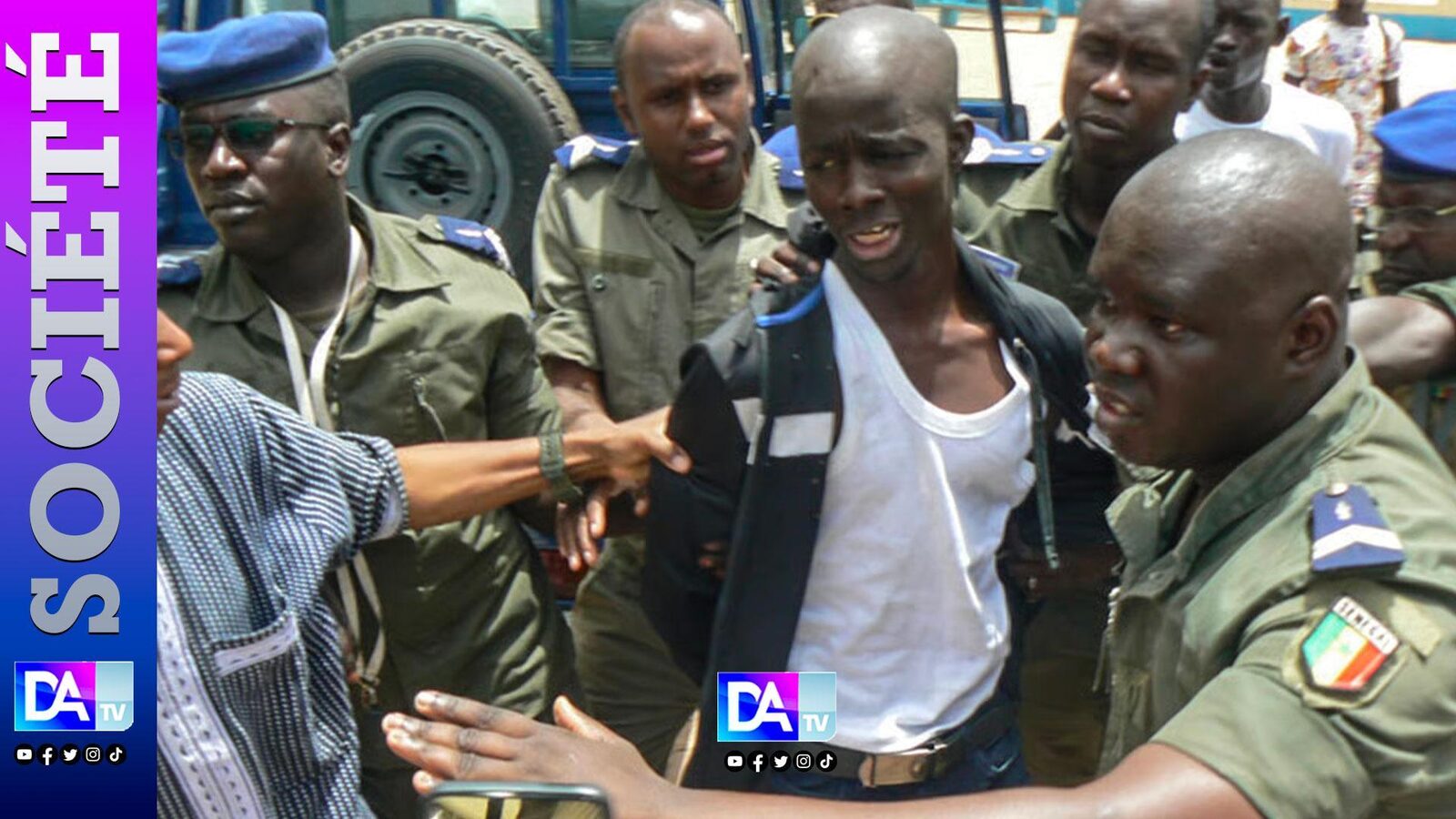
Dakar Court Sentences Boy Djiné to 2 Months Imprisonment
On July 31, 2026, Baye Modou Fall, known as Boy Djiné, was sentenced to two months of firm imprisonment by the Tribunal d’instance de Dakar in Senegal for offenses related to the introduction of devices into prison and complicity, following the discovery of two phones, a memory card, and a memory card holder in his cell.
This development highlights significant issues within Senegal's correctional system and judicial process, particularly concerning prison security, the management of contraband, and the rights of detainees. The case underscores the procedural complexities where the Tribunal des flagrants délits initially declared itself incompetent, leading the matter to the Tribunal d’instance. More broadly, the allegations made by Boy Djiné regarding prison guards facilitating the entry of phones for a fee raise serious questions about corruption and institutional integrity within the penitentiary administration, which could have far-reaching implications for public trust and the rule of law. Furthermore, the fact that this conviction does not resolve two other serious criminal procedures against him, for which he has been under pre-trial detention since 2023, and his subsequent hunger strike, bring to the forefront concerns about the efficiency of the judicial system and the right to a timely resolution of legal matters.
The legal context for this case involves several layers of the Senegalese judicial hierarchy and criminal law. The Tribunal d’instance de Dakar, a court of first instance, handled the specific charge of introducing contraband into prison, an offense typically governed by the national penal code and prison regulations. The mention of the Tribunal des flagrants délits' initial incompetence suggests a distinction in jurisdiction based on the nature or immediacy of the offense, common in civil law systems like Senegal's. The more serious charges of attempted murder and theft, for which Boy Djiné remains under a 'mandat de dépôt' (pre-trial detention) since 2023, are pending before the 'chambres criminelles' (criminal chambers) of Dakar and Diourbel, indicating a higher judicial level for felonies. The ongoing pre-trial detention and the detainee's hunger strike also touch upon fundamental rights enshrined in Senegalese law and international conventions, including the right to a fair and speedy trial.
Key parties involved in this matter include Baye Modou Fall himself, the Tribunal d’instance de Dakar which rendered the conviction, and the Tribunal des flagrants délits which initially declined jurisdiction. The criminal chambers of Dakar and Diourbel are also central, as they are responsible for adjudicating the more severe, pending charges against Boy Djiné. The Administration pénitentiaire is implicitly a key party due to the location of the offense and the allegations of complicity by its staff. For legal practitioners in Senegal, this case serves as a critical reminder of the intricate jurisdictional divisions within the court system and the importance of understanding which court is competent to hear specific types of cases. Attorneys should closely monitor the progress of the pending criminal cases against Boy Djiné, as their outcomes are not yet reported, and consider the implications of prolonged pre-trial detention and allegations of systemic corruption on defense strategies. This situation also highlights the need for vigilance regarding client rights, particularly the right to a timely judicial process, and the potential for challenging evidence or circumstances related to prison conditions and staff conduct.
How does this affect you?
Get an AI analysis of this article grounded in your jurisdictions, practice areas, and any policy documents you've uploaded to Wansom.
Finish Reading the Full Story and the Expert Analysis.
Get the latest legal & regulatory intelligence in Senegal
Wansom is AI and can make mistakes.