
CSI BIANCO Madagascar: Legal Framework Reform Workshops Advance Anti-Corruption
Summary
- The Comité pour la Sauvegarde de l'Intégrité (CSI) and the Bureau Indépendant Anti-Corruption (BIANCO) recently organized workshops in Antananarivo.
- These workshops, held from September 21 to 24, focused on evolving Madagascar's legal framework.
- Key areas targeted for reform include sexual corruption, immunities and privileges, and conflicts of interest.
- The initiative aims to strengthen both the prevention and repression of corruption in Madagascar.
Recent Anti-Corruption Workshops in Madagascar
Addressing these specific vulnerabilities is deemed absolutely essential for cultivating a more equitable, transparent, and accountable governance environment throughout Madagascar.
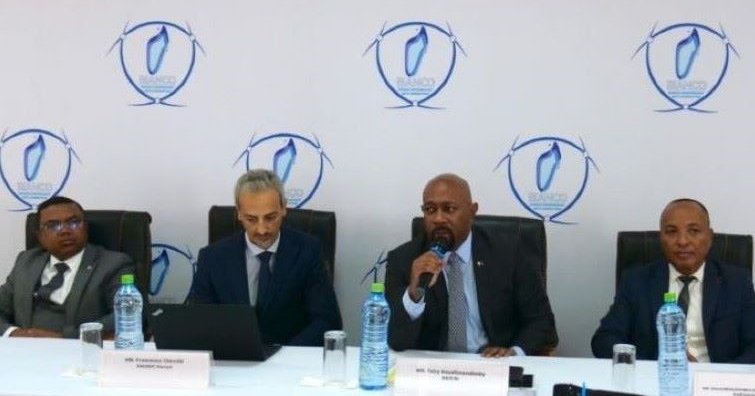
In a significant move to bolster the nation's integrity infrastructure, the Comité pour la Sauvegarde de l'Intégrité (CSI) and the Bureau Indépendant Anti-Corruption (BIANCO) recently co-hosted a series of focused workshops in Antananarivo. These intensive sessions, which spanned four days from September 21 to September 24, convened key stakeholders and experts to deliberate on critical areas requiring substantial legal reform within Madagascar's existing anti-corruption framework. The collaborative nature of this initiative between two of Madagascar's leading anti-corruption bodies underscores a unified and strategic push to enhance the country's governance standards.
The primary objective underpinning these detailed discussions was to explore and identify concrete avenues for the evolution of the Malagasy legal framework. This concerted effort, often referred to as the CSI BIANCO Madagascar legal framework reform, is specifically designed to address and dismantle structural obstacles that have historically impeded effective anti-corruption efforts. By targeting these foundational issues, the initiative aims to pave the way for a more robust, comprehensive, and ultimately more effective approach to combating illicit practices across all sectors of Malagasy society.
Key Areas for Legal Framework Evolution
Central to the agenda of these recent workshops were three particularly sensitive and challenging subjects, which have been identified as pivotal for the proposed legal evolution. These critical areas included the complex and often under-addressed issue of sexual corruption, the existing provisions governing immunities and privileges afforded to certain officials, and the pervasive problem of conflicts of interest within public and private spheres. Addressing these specific vulnerabilities is deemed absolutely essential for cultivating a more equitable, transparent, and accountable governance environment throughout Madagascar.
The deliberations during the workshops aimed to lay foundational groundwork for potential amendments and enhancements to the Madagascar sexual corruption law, with the explicit goal of significantly strengthening both its preventative measures and its punitive capabilities. Concurrently, discussions around reforms concerning immunities and privileges are intended to ensure greater accountability across all levels of public service, fostering a culture where no individual is above the law. Furthermore, proposed adjustments to the Madagascar conflicts of interest law seek to more effectively mitigate undue influence and promote ethical decision-making, thereby safeguarding public resources and trust. These targeted reforms collectively reflect a deep and strategic understanding of the systemic vulnerabilities that have historically enabled and perpetuated corruption.
Strengthening Madagascar's Anti-Corruption Strategy
The overarching strategic goal driving this proposed evolution of the Malagasy legal framework is to significantly reinforce and elevate both the prevention of corrupt practices and the effective repression of those who engage in them, across the entire nation. By systematically identifying and addressing the structural obstacles highlighted during the workshops, CSI and BIANCO are working towards fostering a deeply embedded culture of integrity and accountability. This strategic enhancement of the legal and institutional landscape is considered an integral component of the broader Malagasy anti-corruption strategy, which ultimately seeks to rebuild public trust, improve overall governance, and promote sustainable development.
The insights and conclusions drawn from these intensive workshops are expected to directly inform the development of concrete legislative proposals. These proposals will be meticulously designed to provide more effective and comprehensive tools for investigators, prosecutors, and various oversight bodies tasked with upholding the rule of law. Such fundamental reforms are deemed vital for ensuring that Madagascar's legal system is adequately equipped not only to deter corrupt acts but also to consistently and fairly hold perpetrators accountable, thereby contributing significantly to the nation's long-term stability and prosperity.
Practical Implications
Lawyers and compliance officers operating in Madagascar should closely monitor the proposed evolution of the anti-corruption legal framework by CSI and BIANCO. Potential reforms focusing on sexual corruption, immunities, and conflicts of interest could introduce new compliance obligations or enforcement risks for businesses and individuals.
Source
How does this affect you?
Get an AI analysis of this article grounded in your jurisdictions, practice areas, and any policy documents you've uploaded to Wansom.
Finish Reading the Full Story and the Expert Analysis.
Get the latest legal & regulatory intelligence in Madagascar
Wansom is AI and can make mistakes.