
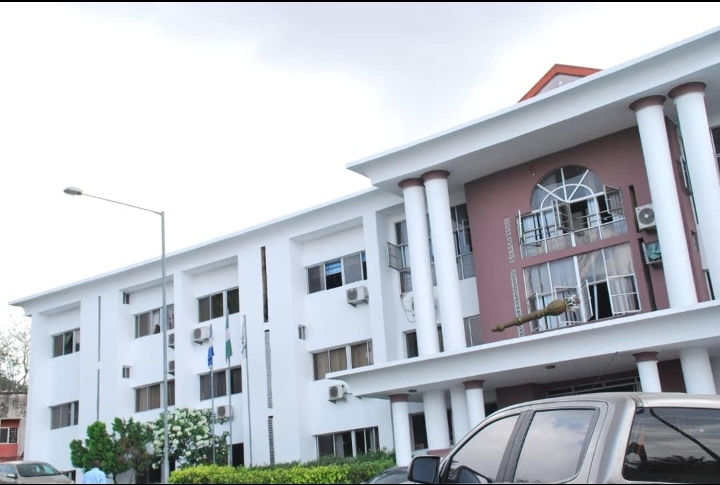
Cross River Assembly Approves N963bn Supplementary Budget
Summary
- The Cross River assembly has approved a supplementary budget totaling N963 billion.
- This revised figure represents an increase of N1.45 billion from the state's earlier N961 billion budget provision.
- The N1.45 billion increment translates to a 0.15 percent rise in the overall budget.
- Legislative approval of supplementary budgets is crucial for fiscal oversight and adapting to changing financial needs.
What Happened
The Cross River assembly's endorsement of this revised budget underscores the dynamic nature of public finance management and the ongoing need for legislative oversight in resource allocation.
The legislative body in Cross River State has formally sanctioned a revised financial framework, approving a supplementary budget amounting to N963 billion. This significant fiscal adjustment comes after an earlier provision of N961 billion had been established, indicating a recalibration of the state's financial plans.
The newly approved figure reflects an increment of N1.45 billion over the previously allocated sum. This adjustment, while substantial in absolute terms, represents a modest percentage increase within the overall budget. Specifically, the N1.45 billion rise translates to a 0.15 percent expansion of the state's financial blueprint. The Cross River assembly's endorsement of this revised budget underscores the dynamic nature of public finance management and the ongoing need for legislative oversight in resource allocation.
The Role of Supplementary Budgets
Supplementary budgets are a common mechanism employed by governments worldwide to address unforeseen financial exigencies or to incorporate new priorities that emerge after the initial annual budget has been passed. These fiscal instruments allow for flexibility in public spending, enabling states to respond to changes in revenue projections, unexpected expenditures, or the need to reallocate funds to critical sectors. The legislative assembly plays a crucial role in this process, providing the necessary checks and balances to ensure that any proposed adjustments align with the state's developmental objectives and fiscal prudence.
The approval of such a budget signifies the legislature's acknowledgment of the executive's updated financial requirements and its consent for the revised allocation of public funds. This process is fundamental to democratic governance, as it ensures transparency and accountability in the management of state resources. Without legislative endorsement, any significant deviation from the original budget would lack the necessary legal and constitutional backing, potentially undermining fiscal discipline and public trust.
Financial Oversight and Fiscal Adjustments
The legislative review and approval of a supplementary budget, even one with a relatively small percentage increase like the 0.15 percent observed in Cross River State, are critical for maintaining financial discipline. Each additional naira allocated through such a process must be justified and scrutinized to ensure it serves the public interest. The N1.45 billion increase, while appearing minor in the context of a nearly trillion-naira budget, represents a substantial sum that could be directed towards various public services, infrastructure projects, or other pressing needs within the state.
Legislators are tasked with examining the rationale behind the proposed increase, evaluating the potential impact on existing projects, and assessing the overall sustainability of the state's financial position. This oversight function is vital to prevent arbitrary spending and to ensure that public funds are utilized efficiently and effectively. The formal approval by the Cross River assembly therefore not only legalizes the revised spending plan but also signifies the legislature's commitment to its constitutional role in fiscal governance.
Broader Implications for Governance
The approval of the N963 billion supplementary budget by the Cross River assembly highlights the continuous nature of fiscal planning and the essential role of legislative bodies in adapting to evolving economic realities. Such adjustments are not merely administrative formalities; they reflect ongoing governance challenges and opportunities. The ability of a state government to propose, and its legislature to approve, modifications to its financial blueprint demonstrates a responsive approach to public administration, allowing for necessary course corrections throughout the fiscal year.
This legislative action underscores the dynamic interplay between the executive and legislative branches in managing public resources. It reinforces the principle that all significant financial decisions, including upward revisions to budgetary provisions, must pass through a rigorous legislative process to ensure accountability to the citizenry. The N963 billion figure, officially sanctioned in December 2023, guided the state's expenditures and revenue management for the remainder of that fiscal period, with the N1.45 billion increase representing a targeted adjustment to specific financial requirements.
Source
How does this affect you?
Get an AI analysis of this article grounded in your jurisdictions, practice areas, and any policy documents you've uploaded to Wansom.
Wansom is AI and can make mistakes.