
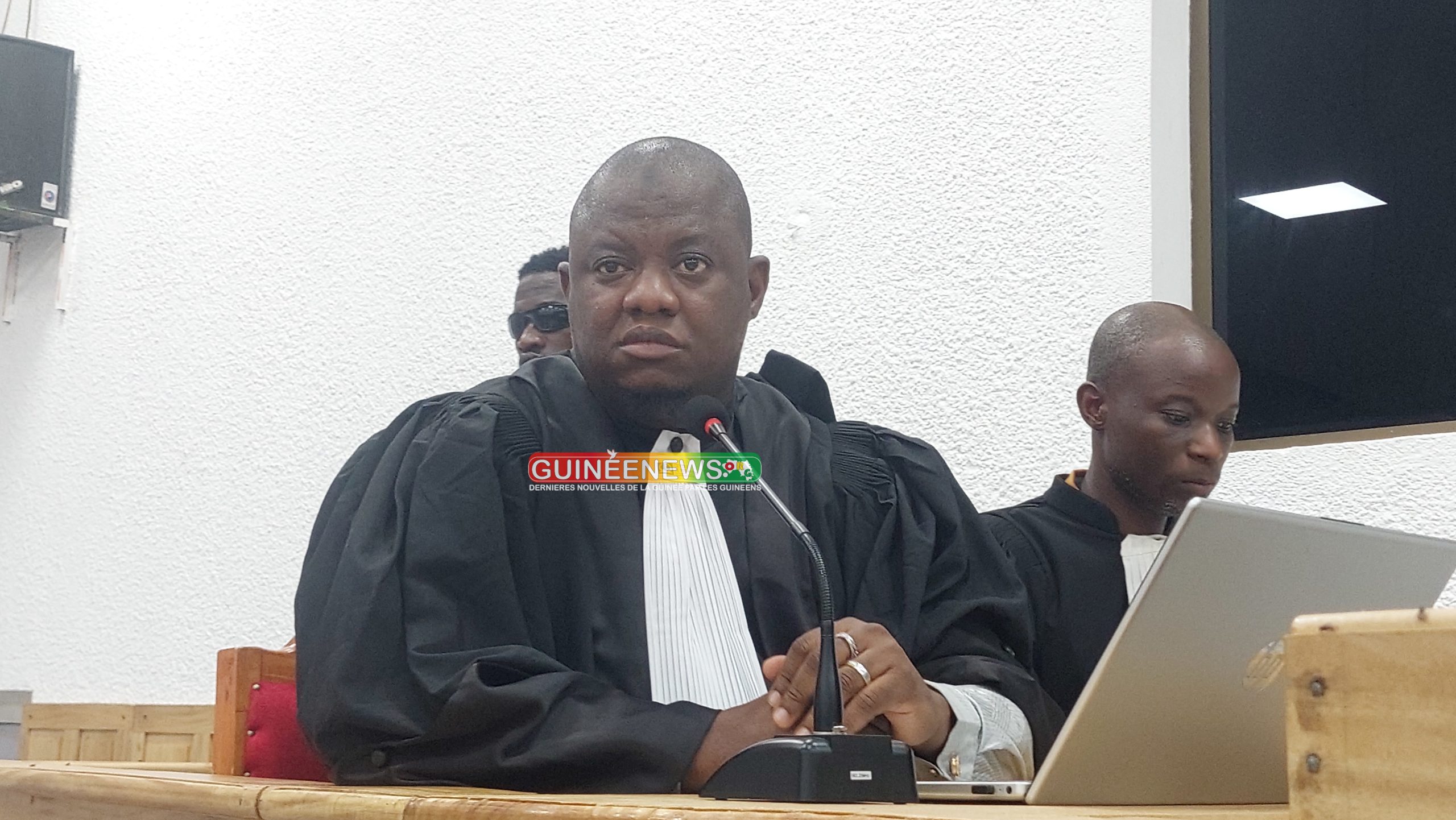
CRIEF Prosecutor Challenges Siguiri Authorities Over Mining Pollution
Summary
- Alphonse Charles Wright, the special prosecutor of Guinea's CRIEF, has challenged local authorities in Siguiri.
- The prosecutor's intervention concerns their responsibility for environmental degradation caused by mining activities.
- This action signals increased legal scrutiny over environmental compliance in Guinea's mining sector.
- Local administrative and technical services are being held accountable for their oversight of mining impacts.
What Happened
This heightened focus on environmental accountability, spearheaded by the CRIEF prosecutor, necessitates a thorough reassessment of existing environmental compliance frameworks.
The special prosecutor for Guinea's Cour de répression des infractions économiques et financières (CRIEF), Alphonse Charles Wright, has issued a forceful challenge to local administrative bodies and technical services operating within the Siguiri prefecture. This intervention comes in response to ongoing and severe environmental degradation observed in the region, a situation primarily attributed to extensive mining operations. The prosecutor's direct address underscores a growing concern over the ecological impact of industrial activities in the area.
Wright's remarks specifically targeted the accountability of these local authorities, holding them responsible for their role in permitting or failing to prevent the current environmental state. His public statement signals a heightened focus from the CRIEF on issues related to economic and financial infractions that have environmental consequences. This development indicates a potential shift towards more rigorous enforcement against those deemed negligent in their oversight duties concerning mining activities in Siguiri.
Legal Scrutiny and Accountability
The involvement of the CRIEF prosecutor, Alphonse Charles Wright, in addressing Siguiri mining pollution introduces a significant legal dimension to the ongoing environmental concerns. The Cour de répression des infractions économiques et financières is specifically mandated to investigate and prosecute serious economic and financial crimes, and its prosecutor's engagement here suggests that environmental negligence or complicity could fall under its purview. This move elevates the issue beyond mere administrative oversight, placing it firmly within the realm of criminal accountability for economic and financial misconduct.
This direct challenge to local administrative and technical services highlights the principle of "Responsabilité autorités locales pollution," emphasizing that local governance bodies bear a significant burden of responsibility for environmental protection within their jurisdictions. The prosecutor's call for accountability implies that a failure to adequately supervise mining operations or enforce environmental regulations could lead to legal repercussions for these officials. Such an assertive stance from a high-ranking legal figure like the CRIEF prosecutor could reshape how environmental compliance is perceived and enforced across Guinea's mining sector.
Implications for Mining and Compliance
The assertive stance taken by the CRIEF prosecutor regarding the Siguiri environmental degradation sends a clear message to all stakeholders involved in Guinea's mining sector. This development suggests that the era of lax environmental oversight may be drawing to a close, with increased scrutiny now expected for both mining operators and the local authorities tasked with their regulation. Companies engaged in resource extraction in the Siguiri region, and indeed across Guinea, should anticipate a more stringent enforcement environment concerning their environmental impact assessments and operational protocols.
This heightened focus on environmental accountability, spearheaded by the CRIEF prosecutor, necessitates a thorough reassessment of existing environmental compliance frameworks. Mining companies must ensure their operations not only meet but demonstrably exceed regulatory requirements to mitigate risks of future legal challenges. The emphasis on the responsibility of local authorities also implies that companies can no longer rely solely on potentially weak local enforcement, but must proactively demonstrate robust Guinea mining environmental compliance to avoid being implicated in broader investigations into environmental degradation.
Practical Implications
Lawyers advising mining companies in Guinea, particularly in the Siguiri region, should reassess their clients' environmental compliance and risk exposure. This development signals increased scrutiny and potential enforcement actions against both mining operators and local authorities for environmental degradation, necessitating a review of environmental impact assessments and operational protocols.
Source
How does this affect you?
Get an AI analysis of this article grounded in your jurisdictions, practice areas, and any policy documents you've uploaded to Wansom.
Finish Reading the Full Story and the Expert Analysis.
Get the latest legal & regulatory intelligence in Guinea
Wansom is AI and can make mistakes.