
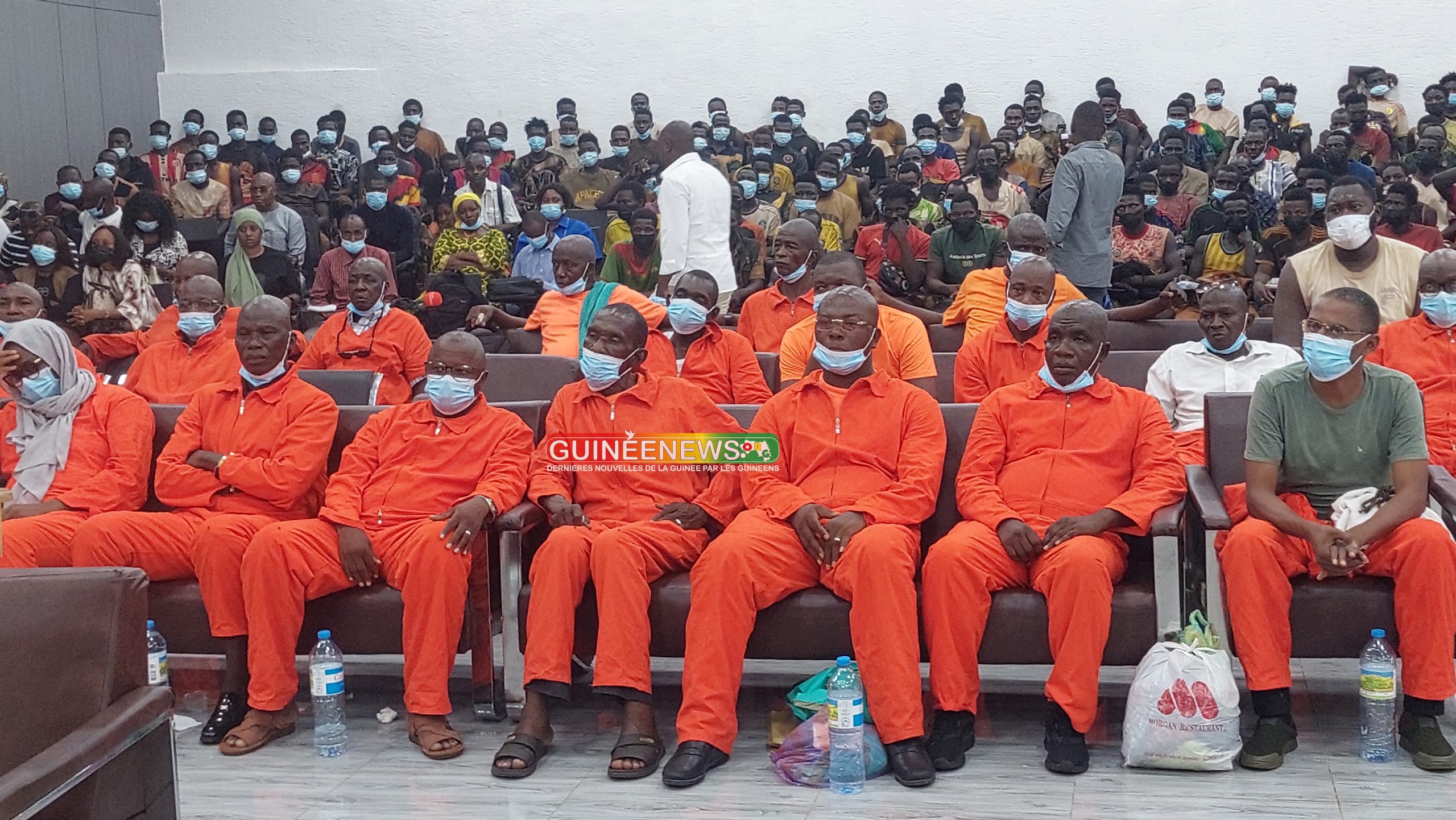
CRIEF Procès Orpaillage Illégal Siguiri: 22 Administrateurs Jugés
Summary
- The trial of 22 territorial administrators for illegal gold panning in Siguiri continued on November 16, 2026, before the CRIEF.
- These officials face charges including corruption, illicit enrichment, money laundering, and complicity in environmental degradation.
- 222 gold panners previously arrested in the case were absent from the hearing due to health and diplomatic considerations, but their case remains pending.
- Special Prosecutor Alphonse Charles Wright cited public health concerns, specifically coughing defendants, as a reason for the panners' repatriation.
- All 22 administrators, including a Governor and several Prefects and Sub-prefects, have been under arrest warrant since November 6, 2026.
High-Profile Corruption Trial Continues in Siguiri
The ongoing CRIEF procès orpaillage illégal Siguiri serves as a stark reminder of the Guinean government's intensified efforts to combat corruption and illegal mining practices, particularly in the gold sector.
The Cour de répression des infractions économiques et financières (CRIEF) is currently presiding over a significant trial involving 22 territorial administrators from the Siguiri region. On Monday, November 16, 2026, the court's judgment chamber convened for a session dedicated to hearing the public prosecutor's requisitions and the defense's pleadings. This legal proceeding centers on allegations of illegal gold panning activities, a persistent issue in Guinea's mining-rich areas.
These high-ranking officials, who include several Sub-prefects, Prefects, and even an interim Governor, face serious accusations. The charges brought against them encompass corruption of public officials, illicit enrichment, money laundering, and complicity in environmental degradation, including various forms of destruction and water pollution. All 22 administrators have been held under an arrest warrant since November 6, 2026, underscoring the gravity with which the authorities are treating this case.
The ongoing procès orpaillage illégal Siguiri highlights the government's commitment to addressing misconduct within its administrative ranks, particularly concerning resource exploitation. The outcome of this phase of the trial, following the presentations from both the prosecution and the defense, is expected to clarify the subsequent steps in the legal process for these officials.
Absence of Gold Panners Explained
A notable aspect of the November 16, 2026, hearing was the absence of 222 gold panners who had previously been apprehended in connection with the same illegal gold mining operations. Special Prosecutor Alphonse Charles Wright of the CRIEF provided an explanation for their non-appearance at the Cour de répression des infractions économiques et financières. He stated that the decision to allow these individuals to return to their home countries was primarily driven by public health concerns.
According to Prosecutor Wright, during earlier court sessions, several defendants had exhibited coughing symptoms, raising fears of potential contamination among attendees. To safeguard public health and prevent further spread, the prosecution deemed it necessary to facilitate their return. He emphasized that protecting the health of the accused is also a fundamental duty, and their case remains active and pending before the court, despite their physical absence.
Adding to this explanation, Alpha Camara, the president of the judgment chamber, cited diplomatic considerations as another reason for the repatriation of the 222 gold panners. Despite these justifications for their departure, the legal proceedings against them are still formally open and will be addressed by the judiciary at a later stage. This distinction means that while the administrators face immediate scrutiny, the panners' legal fate is deferred.
Charges Against Public Officials
The 22 administrateurs territoriaux Siguiri corruption case involves a comprehensive list of charges that reflect the multifaceted nature of alleged illicit activities in the gold mining sector. The accusations against these former administrative leaders are severe, ranging from direct financial malfeasance to complicity in widespread environmental damage. Specifically, they are charged with corruption of public officials, illicit enrichment, and blanchiment de capitaux Guinée orpaillage, indicating a pattern of using their positions for personal gain through illegal means.
Beyond financial crimes, the officials also face charges of complicity in environmental degradation, various destructions, and water pollution. These allegations underscore the devastating impact that unregulated gold panning can have on natural resources and local ecosystems. The involvement of such senior figures, including a Governor and multiple Prefects and Sub-prefects, suggests a systemic issue of official complicity in facilitating or overlooking illegal mining operations.
The list of accused officials includes Colonel Fadjimba Mara, who served as interim Governor of the administrative region of Siguiri, along with several interim Prefects such as Sous-lieutenant Mariam 2 Camara of Doko and Capitaine Mohamed Lamine Koïta of Kintinian. The presence of numerous Sub-prefects, including Lieutenant-colonel Pépé Doualamou of Bankon and Monsieur Lansana Abdoulaye Kourouma of Didi, further illustrates the breadth of the alleged corruption network across various administrative levels within the Siguiri region.
Broader Implications for Governance and Mining
The ongoing CRIEF procès orpaillage illégal Siguiri serves as a stark reminder of the Guinean government's intensified efforts to combat corruption and illegal mining practices, particularly in the gold sector. The prosecution of such a large group of high-ranking administrateurs territoriaux Siguiri corruption signals a clear message that official complicity in illicit activities will not be tolerated. This case, overseen by Alphonse Charles Wright CRIEF, reflects a broader strategy to enforce accountability and uphold the rule of law in resource-rich regions.
For legal professionals and compliance officers advising clients in Guinea's mining sector, this trial underscores the significant risks associated with illegal gold extraction. The charges of illicit enrichment and blanchiment de capitaux Guinée orpaillage highlight the financial penalties and reputational damage that can arise from involvement in such schemes. Companies operating in or considering the Siguiri region must ensure robust internal controls and conduct thorough environmental impact assessments to mitigate exposure to similar legal challenges.
The fact that the case against the 222 orpailleurs remains pending, despite their absence, further indicates the comprehensive nature of the state's pursuit of justice in this matter. While health and diplomatic reasons were cited for their temporary repatriation, the legal system retains jurisdiction over their alleged involvement. This dual focus on both the officials facilitating illegal mining and the individuals directly engaged in it demonstrates a holistic approach to tackling the problem of illegal gold panning and its associated crimes.
Practical Implications
Lawyers advising clients in Guinea's mining sector, especially those involved in gold extraction, should note the ongoing and rigorous enforcement against illegal gold panning and associated corruption, illicit enrichment, and environmental degradation. This case, involving senior public officials, signals a continued focus on official complicity in such activities. Compliance officers should review internal controls related to interactions with public officials and environmental impact assessments, particularly in the Siguiri region, to mitigate exposure to similar charges.
Source
How does this affect you?
Get an AI analysis of this article grounded in your jurisdictions, practice areas, and any policy documents you've uploaded to Wansom.
Finish Reading the Full Story and the Expert Analysis.
Get the latest legal & regulatory intelligence in Guinea
Wansom is AI and can make mistakes.