
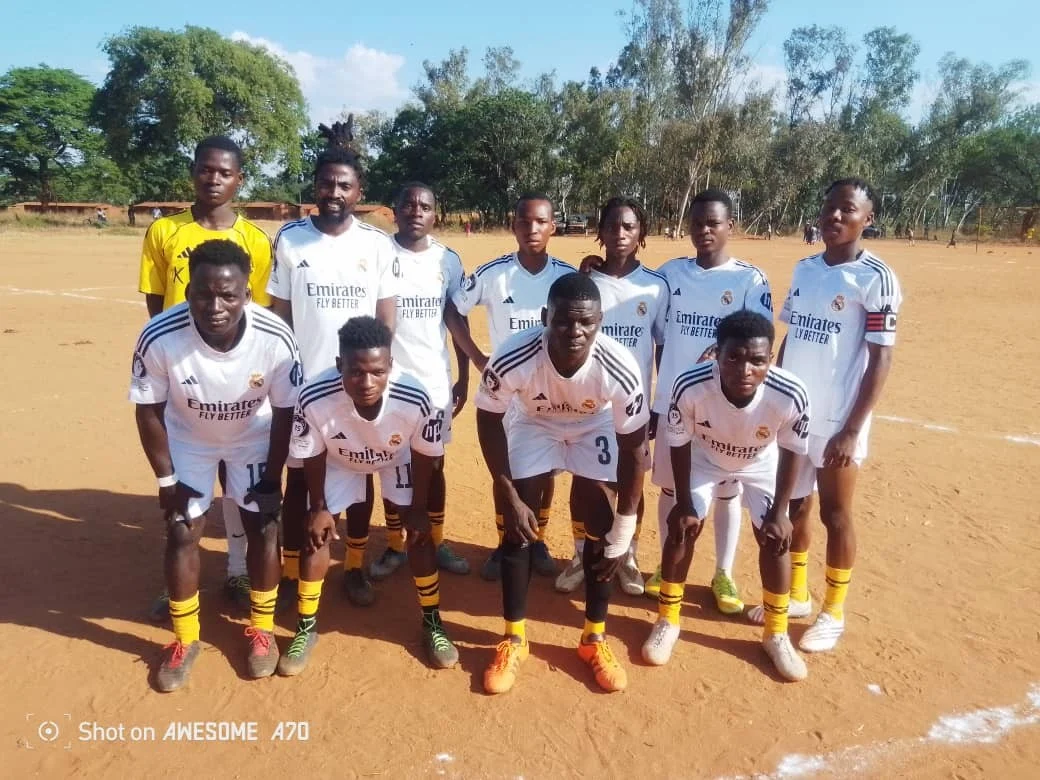
CRFA Malawi: Player Eligibility Ruling Ignites Controversy Over Ntchisi Select
Summary
- The Central Region Football Association (CRFA) dismissed a protest by Chimvano Soccer City regarding player eligibility.
- Chimvano Soccer City had questioned the eligibility of several Ntchisi Select players.
- The CRFA's ruling has deepened controversy and led to accusations against the association.
- Critics claim the decision weakened confidence in football’s player identification and verification standards.
- The controversy highlights the need for robust and transparent dispute resolution in sports.
What Happened
Lawyers advising sports organizations or athletes in Malawi should note this ruling highlights the potential for legal challenges to player eligibility decisions and the importance of robust, transparent dispute resolution mechanisms within sports bodies to maintain confidence in their governance and avoid similar controversies.
The Central Region Football Association (CRFA) in Malawi recently found itself at the center of a significant controversy following its decision on a player eligibility dispute. This particular ruling, which has since drawn considerable criticism, stemmed from a formal protest initiated by Chimvano Soccer City. The club had raised serious questions regarding the eligibility status of several players associated with Ntchisi Select, alleging irregularities in their registration or qualification to participate.
After reviewing the details of the protest, the CRFA ultimately chose to dismiss Chimvano Soccer City's challenge. This dismissal, intended to bring closure to the Ntchisi Select eligibility dispute, instead ignited further contention, deepening the existing controversy surrounding player verification processes within Malawian football. The outcome has placed the CRFA under intense scrutiny, with many questioning the rationale and implications of its judgment.
The Controversy Unfolds
The CRFA's decision, rather than resolving the underlying issue, has been met with a strong backlash, leading to accusations that the ruling itself has eroded public trust. Critics argue that the Central Region Football Association Malawi has, through its handling of this specific case, inadvertently weakened confidence in the fundamental standards and procedures governing player identification and verification across the sport. This perception of diminished reliability in official processes has become a central point of contention.
The ongoing debate surrounding the CRFA player eligibility ruling Malawi underscores a broader concern about the integrity of football administration. The accusations suggest that the association's judgment has not only failed to address the specific concerns raised by Chimvano Soccer City but has also cast a shadow over the robustness and impartiality of the mechanisms designed to ensure fair play and adherence to rules. This situation has thus escalated from a localized dispute to a wider Malawi football legal controversy.
Why It Matters
This contentious CRFA player eligibility ruling in Malawi carries substantial implications that extend far beyond the immediate clubs involved, touching upon the very foundation of sports governance and legal oversight within the nation. The significant backlash and the subsequent erosion of confidence in established player identification standards highlight an urgent need for sports organizations to uphold and rigorously apply transparent, equitable, and robust dispute resolution frameworks. When administrative decisions are perceived as lacking thoroughness or fairness, they inevitably lead to a decline in trust among all stakeholders, including clubs, athletes, and the fan base, potentially inviting further legal challenges and undermining the sport's credibility.
Lawyers advising sports organizations or athletes in Malawi should note this ruling highlights the potential for legal challenges to player eligibility decisions and the importance of robust, transparent dispute resolution mechanisms within sports bodies to maintain confidence in their governance and avoid similar controversies. The current situation serves as a critical reminder that the perceived fairness and clarity of administrative rulings are paramount for maintaining the integrity of competitive sports. Without clear, consistently applied standards and a trusted process for addressing grievances, the foundational principles of competitive football can be severely weakened, impacting both participation levels and broader public engagement with the sport.
Practical Implications
Lawyers advising sports organizations or athletes in Malawi should note this ruling highlights the potential for legal challenges to player eligibility decisions and the importance of robust, transparent dispute resolution mechanisms within sports bodies to maintain confidence in their governance and avoid similar controversies.
Source
Source: Original reporting via Malawi24.
How does this affect you?
Get an AI analysis of this article grounded in your jurisdictions, practice areas, and any policy documents you've uploaded to Wansom.
Wansom is AI and can make mistakes.