
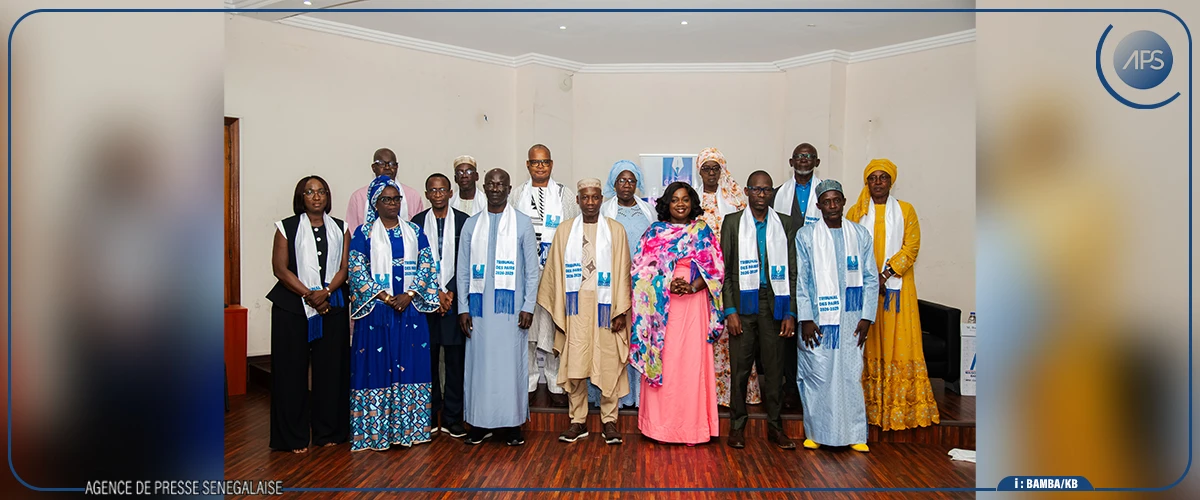
CORED Senegal: Inaugurates Tribunal des Pairs for 2026-2029 Media Ethics Mandate
Summary
- CORED (Conseil pour l’observation des règles d’éthique et de déontologie dans les médias) installed its new Tribunal des pairs in Dakar on October 14.
- This Peer Tribunal is mandated to operate for the 2026-2029 period, focusing on media ethics in Senegal.
- The tribunal comprises 12 members who have committed to independence, impartiality, and adherence to professional rules.
- Its primary goal is to reinforce media independence and ethical conduct across the Senegalese media landscape.
- The initiative establishes a key self-regulatory body for journalism ethics and media deontology in Dakar.
Establishment of the Peer Tribunal
Lawyers advising media entities should be acutely aware of this development, as it introduces a new layer of oversight and a formal mechanism for addressing complaints that could significantly impact their clients' operations, editorial policies, and public reputations.
The Conseil pour l’observation des règles d’éthique et de déontologie dans les médias (CORED) officially inaugurated its new Tribunal des pairs in Dakar on Wednesday, October 14. This significant development establishes a dedicated body for upholding journalistic standards and ethical conduct within Senegal's media landscape. The newly constituted tribunal is specifically designated to serve for the upcoming 2026-2029 mandate, signaling a proactive and long-term commitment to media self-regulation and accountability.
Comprising a dozen distinguished members, the tribunal's composition reflects a broad base of experience and expertise from within the media sector. Each member has publicly affirmed their commitment to executing their responsibilities with unwavering independence and impartiality. This pledge is fundamental to the tribunal's credibility and its ability to objectively apply professional rules and ethical guidelines, thereby ensuring fair and consistent oversight of media practices across the nation.
Mandate and Ethical Framework
The primary objective behind the establishment of the CORED Tribunal des pairs is to bolster both the independence and the ethical conduct of media organizations across Senegal. This initiative by the Conseil pour l’observation des règles d’éthique et de déontologie dans les médias aims to create a robust, internal mechanism for addressing ethical breaches and promoting deontological principles within the profession. The tribunal's mandate for 2026-2029 underscores a strategic, multi-year vision for enhancing media accountability and fostering public trust in journalistic output.
By focusing intently on journalism ethics in Senegal, CORED seeks to empower the media sector to effectively self-regulate, thereby potentially mitigating the necessity for external governmental or judicial intervention. The very concept of a "Peer Tribunal" inherently emphasizes that ethical oversight is most effectively managed by experienced professionals from within the industry itself. This approach ensures that decisions are grounded in a practical understanding of journalistic practice and the unique challenges faced by media practitioners in Dakar and throughout the nation, reinforcing the principles of media deontology.
Implications for Media and Legal Professionals
The installation of the CORED Tribunal des pairs carries substantial implications for media organizations, individual journalists, and legal professionals operating in Senegal. This new Senegal media regulation tribunal will serve as a crucial body for adjudicating disputes related to ethical and deontological standards, potentially setting important precedents for professional conduct across the industry. Lawyers advising media entities should be acutely aware of this development, as it introduces a new layer of oversight and a formal mechanism for addressing complaints that could significantly impact their clients' operations, editorial policies, and public reputations.
Compliance with the decisions rendered by the CORED Peer Tribunal, particularly throughout its 2026-2029 mandate, will be paramount for maintaining credibility and avoiding reputational damage within the competitive media landscape. The tribunal's emphasis on independence, impartiality, and strict adherence to professional rules suggests a rigorous and principled approach to media ethics. This initiative in Dakar media deontology not only highlights a growing commitment within the Senegalese media sector to self-governance but also signals a continuous drive towards the improvement of journalistic integrity and public service, requiring careful consideration from legal advisors on how to navigate this evolving regulatory environment.
Practical Implications
Lawyers advising media organizations or journalists in Senegal should be aware of the newly installed CORED Tribunal des pairs as a key body for adjudicating ethical and deontological disputes, potentially setting new precedents or requiring compliance with its decisions. This new mechanism could impact how media entities manage internal ethics and respond to external complaints.
Source
Source: Original reporting via APS
How does this affect you?
Get an AI analysis of this article grounded in your jurisdictions, practice areas, and any policy documents you've uploaded to Wansom.
Finish Reading the Full Story and the Expert Analysis.
Get the latest legal & regulatory intelligence in Senegal
Wansom is AI and can make mistakes.