
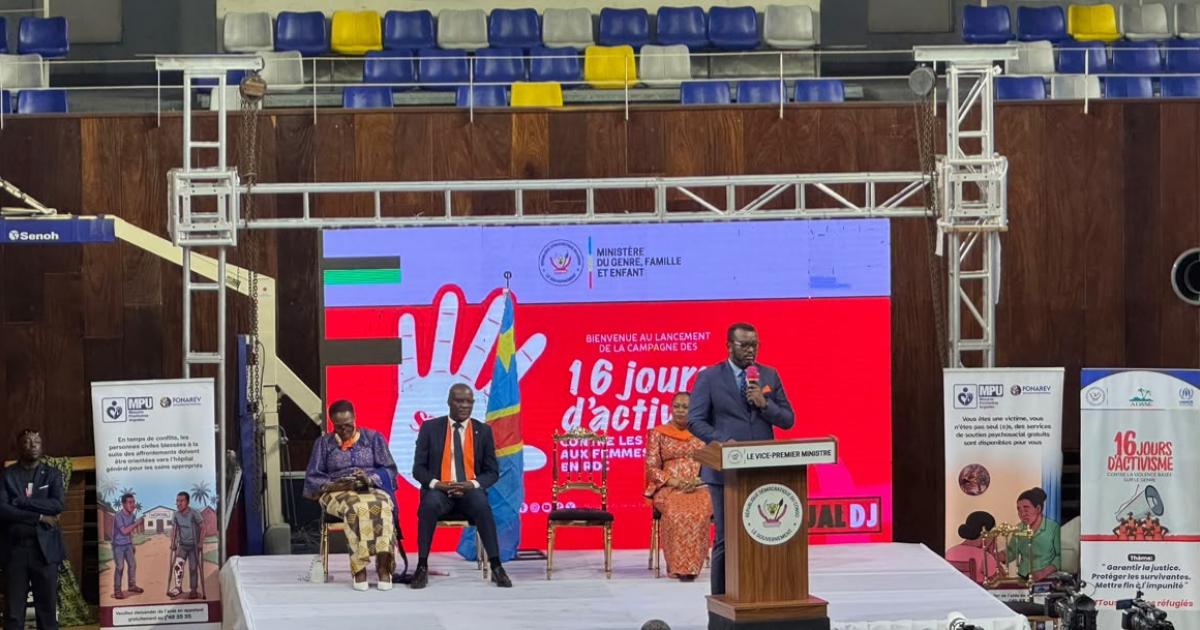
DRC Government: 17 Public Service Revocations for Gender-Based Violence
Summary
- The Democratic Republic of Congo government dismissed 17 public service officials.
- These revocations were due to allegations of "promotion canapé" and gender-based violence.
- The disciplinary actions were reported on Sunday, November 29, 2026.
- The government explicitly targets sexual favors for promotion and broader gender-based violence in professional settings.
- This move signals a heightened enforcement environment against abuse of power within the DRC public service.
Recent Disciplinary Actions in DRC Public Service
It suggests a heightened enforcement environment against sexual harassment and abuse of power within the DRC public service.
The government of the Democratic Republic of Congo (DRC) recently announced the dismissal of 17 high-ranking officials from its public service. These significant DRC public service revocations were directly linked to allegations of "promotion canapé" and various forms of gender-based violence (VBG) within professional environments. The decision, reported on Sunday, November 29, 2026, underscores a concerted effort by the authorities to address long-standing issues of misconduct and abuse of power.
These 17 Congo public officials dismissed held positions of responsibility, indicating that the government's crackdown is targeting individuals in influential roles. The specific nature of the accusations highlights a serious commitment to reforming the public sector and ensuring accountability, particularly concerning behaviors that exploit subordinates for personal gain or subject them to harassment. This move signals a notable shift towards stricter enforcement against such practices.
Government's Stance Against Abuse of Power
The term "promotion canapé," widely understood to mean sexual favors exchanged for career advancement, has been explicitly targeted by the government in these recent actions. This practice, alongside broader instances of gender-based violence, represents a significant challenge within the DRC's professional landscape, particularly in the public sector. The government's public declaration against these issues reinforces its commitment to fostering a safer and more equitable working environment for all employees.
This initiative is part of a larger, ongoing struggle against VBG that extends beyond the confines of the public service, reaching into all professional spheres. The explicit focus on the `fonction publique RDC révocations` demonstrates a clear intent to eradicate systemic abuses. By taking decisive action against these 17 officials, the administration aims to send a strong message that such conduct will no longer be tolerated, thereby addressing the pervasive issue of sexual harassment in the public sector DRC.
Implications for Public Sector Accountability
The dismissal of these 17 officials marks a critical development in the fight for transparency and ethical conduct within the DRC's governmental institutions. It suggests a heightened enforcement environment against sexual harassment and abuse of power within the DRC public service. This action serves as a powerful deterrent, signaling to other public servants that engaging in "promotion canapé Congo" or any form of gender-based violence carries severe consequences.
Such decisive measures are crucial for rebuilding public trust and ensuring that merit, rather than coercion, dictates career progression. The government's willingness to publicly address and act upon these sensitive issues reflects a growing recognition of the importance of protecting employees from exploitation and harassment, ultimately contributing to a more just and professional public administration.
Practical Implications
This development signals a heightened enforcement environment against sexual harassment and abuse of power within the DRC public service. Lawyers should proactively advise public sector clients on reviewing and strengthening their internal policies against gender-based violence and 'promotion canapé,' and prepare for potential investigations or disciplinary actions against employees.
Source
How does this affect you?
Get an AI analysis of this article grounded in your jurisdictions, practice areas, and any policy documents you've uploaded to Wansom.
Finish Reading the Full Story and the Expert Analysis.
Get the latest legal & regulatory intelligence in DR Congo
Wansom is AI and can make mistakes.