
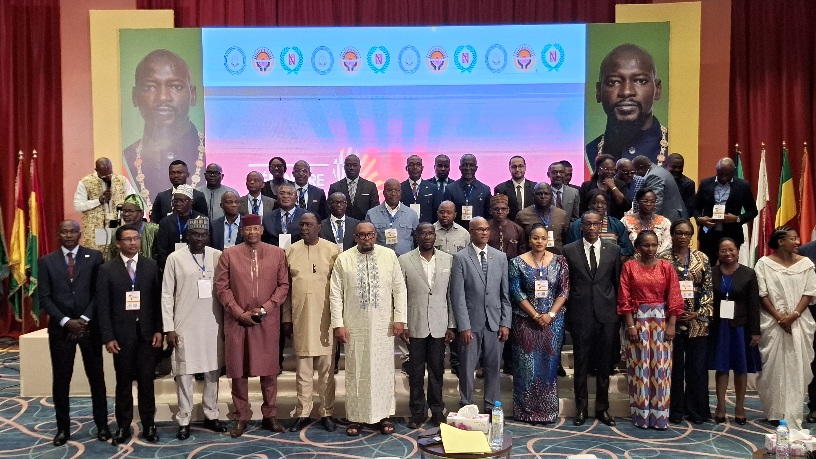
Conakry: CIPRES Seminar Boosts Informal Worker Social Coverage
Summary
- An international seminar on extending social coverage concluded in Conakry, Guinea.
- The event, held from November 16 to 19, 2026, focused on informal economy and rural workers.
- The Inter-African Conference on Social Welfare (CIPRES) co-organized the meeting.
- Representatives from eight member states participated in the four-day discussions.
What Happened
Lawyers and compliance officers in Guinea and participating African states should closely monitor legislative and policy developments stemming from this seminar, as these changes could require a thorough review of existing employment classifications, adjustments to contribution frameworks, and the development of new compliance strategies for affected businesses.
An international seminar recently concluded in Conakry, Guinea, focusing on the critical issue of extending social coverage to individuals employed within the informal economy and those working in rural areas. This significant gathering took place from November 16 to 19, 2026, drawing attention to the challenges and opportunities in providing robust social protection across the African continent. The event underscored a concerted effort to address the vulnerabilities faced by a substantial portion of the workforce.
The Inter-African Conference on Social Welfare (CIPRES) played a pivotal role in organizing this seminar, highlighting its commitment to advancing social security initiatives regionally. The meeting brought together representatives from eight member states, fostering a collaborative environment for discussing strategies and sharing best practices. This CIPRES social coverage seminar in Conakry served as a crucial platform for dialogue on expanding social protection for rural workers in Africa.
Addressing Social Protection Gaps
The primary objective of the Conakry international social security seminar was to explore viable mechanisms for integrating informal sector workers and rural populations into formal social protection systems. These demographic groups often lack access to essential benefits such as healthcare, pensions, and unemployment insurance, leaving them susceptible to economic shocks and health crises. The discussions aimed to identify innovative approaches that are both sustainable and adaptable to the unique socio-economic landscapes of participating nations.
Efforts to bolster Guinea's social protection informal sector are part of a broader regional push to ensure more equitable access to social security. The seminar's focus on these underserved populations reflects a growing recognition among African states of the need to strengthen social safety nets beyond traditional formal employment. By bringing together diverse stakeholders, the event sought to lay the groundwork for policy reforms that could significantly impact the lives of millions.
Implications for Stakeholders
The outcomes and recommendations emerging from this Conakry social coverage informal workers seminar carry substantial implications for various stakeholders, particularly businesses operating within Guinea and other participating African states. The emphasis on expanding social security obligations to employers of informal and rural sector workers signals a potential shift in regulatory landscapes. This development necessitates a proactive approach from legal and compliance professionals.
Lawyers and compliance officers in Guinea and participating African states should closely monitor legislative and policy developments stemming from this seminar, as these changes could require a thorough review of existing employment classifications, adjustments to contribution frameworks, and the development of new compliance strategies for affected businesses.
Practical Implications
Lawyers and compliance officers in Guinea and participating African states should monitor legislative and policy developments stemming from this seminar, as it signals a potential expansion of social security obligations to employers of informal and rural sector workers. This could necessitate a review of employment classifications, contribution frameworks, and compliance strategies for affected businesses.
Source
How does this affect you?
Get an AI analysis of this article grounded in your jurisdictions, practice areas, and any policy documents you've uploaded to Wansom.
Finish Reading the Full Story and the Expert Analysis.
Get the latest legal & regulatory intelligence in Guinea
Wansom is AI and can make mistakes.