
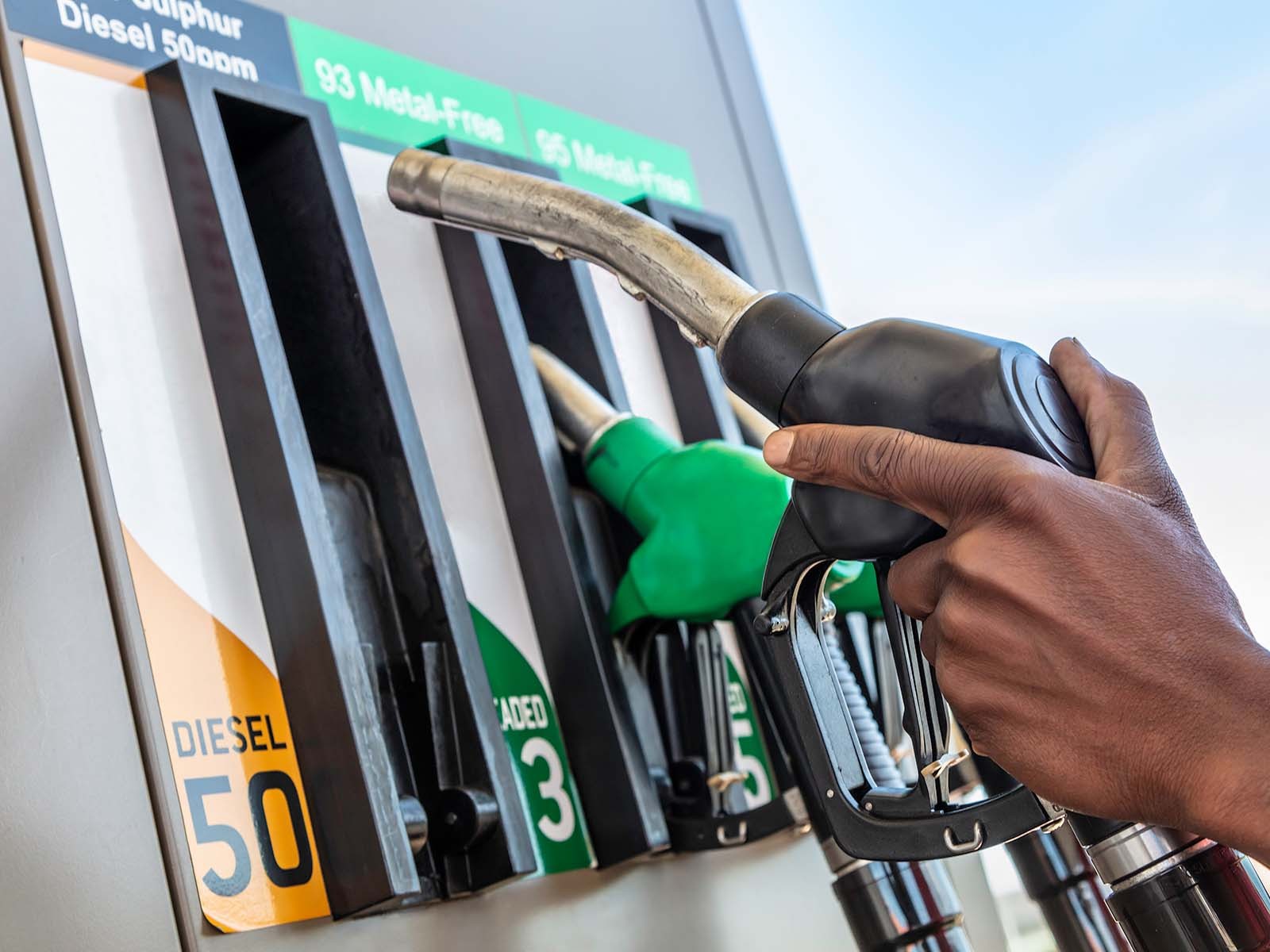
COMAC Charges NPA: Enforce Petroleum Price Floor in Ghana
Summary
- The Chamber of Oil Marketing Companies (COMAC) has urged Ghana's National Petroleum Authority (NPA) to strictly enforce the petroleum price floor across all oil and LPG marketing companies.
- This demand, made on November 26, 2026, follows observed sales below the minimum approved price and public misrepresentation of the policy.
- COMAC calls for investigations into non-compliance, application of sanctions, and intensified public education on the policy's benefits, which include protecting businesses and ensuring fuel quality.
- The Chamber expressed concern over violations being dismissed as errors and the lack of regulatory action, warning that selective compliance undermines market stability.
- Despite a projected fuel price decline in December 2026, COMAC insists this does not justify non-compliance and emphasizes maintaining pricing discipline.
Call for Strict Enforcement in Ghana's Petroleum Sector
Lawyers and compliance officers advising oil and LPG marketing companies in Ghana should anticipate increased scrutiny and potential enforcement actions from the National Petroleum Authority regarding adherence to the petroleum price floor, especially given COMAC's public demand for strict compliance and sanctions for violations.
The Chamber of Oil Marketing Companies (COMAC) has formally urged the National Petroleum Authority (NPA) to rigorously enforce the established petroleum price floor across all Oil and LPG Marketing Companies in Ghana. This significant demand, articulated in a statement issued on Thursday, November 26, 2026, stems from COMAC's observation of persistent sales of petroleum products below the minimum pricing threshold set by the NPA. The Chamber also highlighted concerns regarding the public's understanding of the policy, noting instances of misrepresentation.
COMAC's proactive stance underscores a critical need for regulatory adherence within Ghana's downstream petroleum sector. The organization specifically charges the NPA to investigate all reported cases of non-compliance and any attempts to circumvent the policy, advocating for the application of appropriate sanctions following due process. This call to action aims to stabilize market practices and ensure a level playing field for all operators.
The Rationale Behind Ghana's Petroleum Price Floor
The petroleum price floor policy, initially introduced by the National Petroleum Authority, serves a multifaceted purpose beyond merely setting minimum prices. Its primary objectives include curbing predatory pricing tactics, fostering healthy competition, and ultimately safeguarding the long-term sustainability of Ghana's downstream petroleum industry. COMAC emphasizes that this framework is not intended to penalize consumers but rather to ensure that operators can compete fairly while meeting their tax and regulatory obligations, maintaining stringent safety and quality standards, and remaining commercially viable.
Furthermore, COMAC advocates for the NPA to enhance public awareness regarding the policy's benefits. These benefits, as outlined by the Chamber, encompass protecting businesses and jobs, guaranteeing fuel quality, ensuring tax compliance, and securing a stable, long-term supply of petroleum products for the nation. The Chamber believes that a clear understanding of these aspects is crucial for both industry participants and the general public.
Addressing Non-Compliance and Market Integrity
Despite the clear objectives of the Ghana petroleum price floor policy, COMAC has voiced significant apprehension over repeated violations and what it perceives as a lack of decisive regulatory response. The Chamber specifically points to instances where below-floor pricing is subsequently rationalized as mere "errors," often followed by public calls for the policy's abolition. COMAC views such actions as deliberate circumvention of the regulatory framework, noting a distinct absence of regulatory action in response to these breaches.
This situation has led COMAC to assert that selective compliance undermines public confidence in the regulatory system and places compliant companies at a considerable commercial disadvantage. Lawyers and compliance officers advising oil and LPG marketing companies in Ghana should anticipate increased scrutiny and potential enforcement actions from the National Petroleum Authority regarding adherence to the petroleum price floor, especially given COMAC's public demand for strict compliance and sanctions for violations. The Chamber maintains that while competition is vital in a liberalized market, pricing that disregards regulatory requirements poses a direct threat to market stability, fair competition, consumer trust, and the overall sustainability of the sector.
Future Market Outlook and Unwavering Compliance
Looking ahead, COMAC anticipates a notable reduction in fuel prices at the pump during the initial pricing window of December 2026. This projected decline is attributed to a combination of international market developments, fluctuations in exchange rates, and other fundamental market indicators. However, the Chamber unequivocally cautions that this expected price decrease offers no justification for non-compliance with the established price floor.
COMAC insists that any legitimate price reductions must be passed on to consumers through approved pricing mechanisms, and any review of the price floor itself must strictly adhere to appropriate regulatory channels. The Chamber stresses the importance of maintaining pricing discipline, irrespective of whether prices are rising or falling. It argues that preventing predatory pricing not only protects healthy competition but also serves to shield consumers from potentially excessive price increases in the future. COMAC has also reminded its members of their obligations under the revised Petroleum Products Pricing Guidelines Ghana, urging immediate and strict compliance, and reaffirmed its commitment to constructive engagement with the NPA and other stakeholders.
Practical Implications
Lawyers and compliance officers advising oil and LPG marketing companies in Ghana should anticipate increased scrutiny and potential enforcement actions from the National Petroleum Authority regarding adherence to the petroleum price floor, especially given COMAC's public demand for strict compliance and sanctions for violations.
Source
How does this affect you?
Get an AI analysis of this article grounded in your jurisdictions, practice areas, and any policy documents you've uploaded to Wansom.
Finish Reading the Full Story and the Expert Analysis.
Get the latest legal & regulatory intelligence in Ghana
Wansom is AI and can make mistakes.