
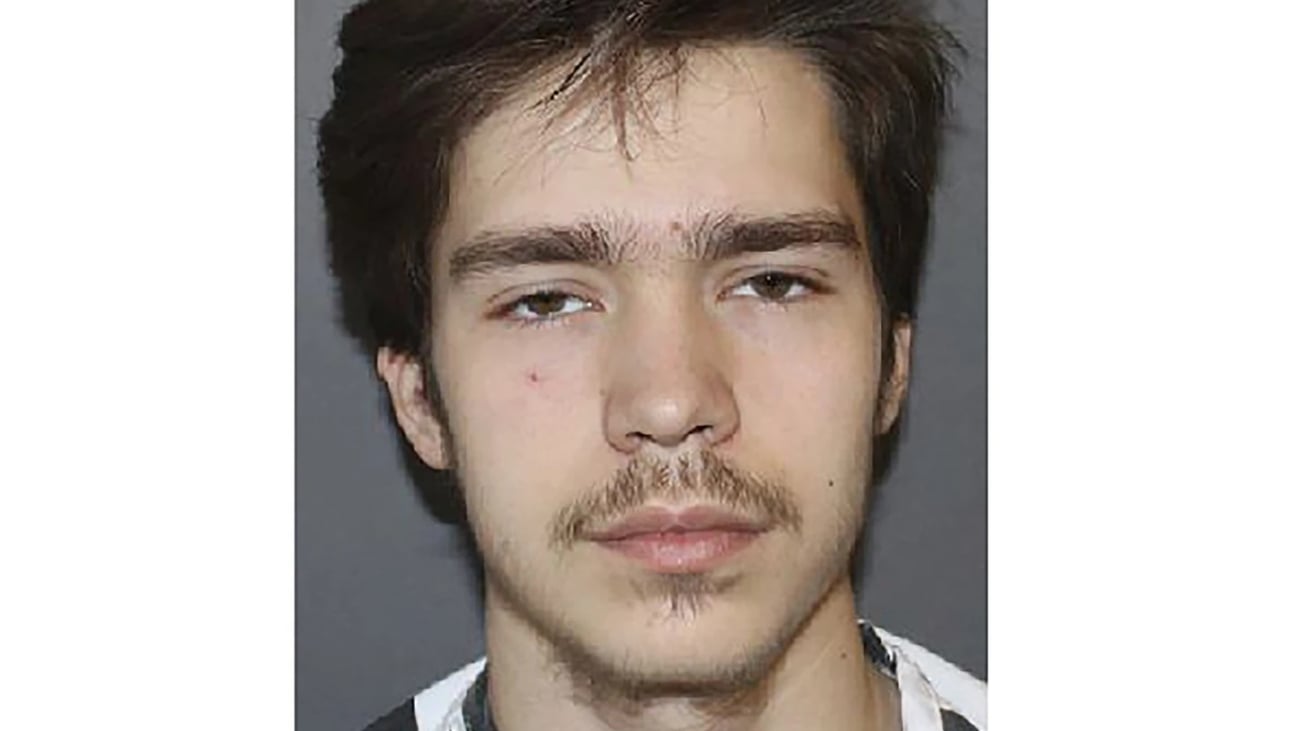
Lauren Boebert Son Child Abuse Sentencing: Colorado Judge Orders 20-Day Jail
Summary
- Tyler Boebert, son of U.S. Rep. Lauren Boebert, was sentenced to 20 days in jail with work release for child abuse and criminal negligence.
- The charges stemmed from three incidents in 2025 where his toddler son was found wandering unsupervised, including near a busy road and a dock.
- Congresswoman Lauren Boebert addressed the court, requesting leniency for her son and attributing the incidents to communication failures.
- Judge Michele Meyer expressed concern over the repeated nature of the incidents and the fact that Boebert was already serving a deferred sentence for a 2024 attempted identity theft conviction.
- Boebert also faces separate charges from August, including three counts of sexual exploitation of a child and two counts of contributing to the delinquency of a minor, which could lead to significant prison time.
Son of Congresswoman Sentenced for Child Neglect
The judge's decision to impose a 20-day jail sentence, rather than the maximum 30 days, reflects a balancing act between the severity of the repeated incidents and the defendant's apparent efforts to address the issues, as well as the plea for leniency.
Tyler Boebert, the 21-year-old son of U.S. Representative Lauren Boebert, received a 20-day jail sentence with work release on Friday in Greeley, Colorado, after pleading guilty to charges of child abuse and criminal negligence. The charges stemmed from an incident last year where his toddler son was found unsupervised. The sentence, handed down by Judge Michele Meyer, followed a plea for leniency from Congresswoman Boebert, who addressed the court on her son's behalf.
During the proceedings, Representative Boebert, who currently represents Colorado’s Fourth Congressional District and previously resided in Rifle while representing the Third Congressional District, urged the judge to show mercy. She articulated her belief that "Mercy is the difference between correcting a father and orphaning a son during his most important hours," emphasizing that mercy should not be mistaken for weakness. She also defended her son's character, stating he is a diligent father who works and returns home, not a "troubled man drifting through life." She attributed the incidents to a "failure of communication" rather than cruelty, citing a miscommunication with a babysitting uncle and a broken door lock as contributing factors.
Pattern of Unsupervised Incidents Raised Concerns
The child abuse and neglect charges, filed as misdemeanors by prosecutors in July 2025, arose from a series of events in which Tyler Boebert's young son was discovered wandering alone. Deputy District Attorney Brice Rudolph informed the court that the toddler was found unsupervised on three separate occasions in 2025. These incidents included the child wandering near a busy road and, at another time, close to the Lake Pelican dock, all originating from his mother’s home in Windsor, Colorado. Rudolph underscored the gravity of these repeated occurrences, stating, "Once is a mistake, twice is a coincidence, and three times is a pattern."
Judge Meyer expressed significant concern regarding the recurring nature of these incidents, noting that they placed the child in potentially serious danger. She also highlighted that Tyler Boebert was already serving a deferred sentence at the time of these events, which further complicated the sentencing decision. Despite these concerns, the judge opted not to impose the maximum possible sentence of 30 days in jail. Tyler Boebert's defense attorney, Joseph Gavaldon, described the toddler as a "Houdini" in his "Lewis and Clark" phase and mentioned that his client had installed locks and cameras at his Garfield County residence to prevent future unsupervised departures.
Defendant's Broader Legal Entanglements
The recent child abuse sentencing is not Tyler Boebert's first encounter with the legal system, nor is it his only ongoing case. In 2024, he pleaded guilty to a single charge of attempted identity theft, stemming from his involvement in a series of vehicle break-ins in Rifle, Colorado. A judge had granted him a deferred sentence in that case, with a hearing on the deferred sentencing scheduled for November 16.
Furthermore, in August, prosecutors brought additional serious charges against Boebert, including three counts of sexual exploitation of a child and two counts of contributing to the delinquency of a minor. These charges allege that he posted sexually explicit pictures of a then-17-year-old in 2024. An anonymous tip in March 2024 initiated an investigation, which reportedly uncovered sexually explicit videos and images depicting Boebert, who was 18 at the time, engaged in sexual relations with the 17-year-old. If convicted on these charges, Boebert faces a potential prison sentence of four to 12 years for each count.
Judicial Considerations in Sentencing
In her decision, Judge Meyer acknowledged that Tyler Boebert appeared to be taking the situation seriously. However, she emphasized that the court could not overlook the fact that these were "two incidents that put his son in serious harm’s way," even though, thankfully, no actual harm occurred. This statement from the judge highlights the court's focus on the potential for danger created by the repeated neglect, rather than solely on the outcome.
The judge's decision to impose a 20-day jail sentence, rather than the maximum 30 days, reflects a balancing act between the severity of the repeated incidents and the defendant's apparent efforts to address the issues, as well as the plea for leniency. The ongoing nature of Boebert's other legal cases, particularly the deferred sentence for attempted identity theft and the pending sexual exploitation charges, adds layers of complexity to his overall legal standing and future judicial considerations.
Practical Implications
This case illustrates judicial considerations in sentencing for child abuse and neglect, particularly how judges weigh repeated incidents and prior legal history (like a deferred sentence) against pleas for leniency and defense arguments about mitigating factors. It underscores the serious view courts take on patterns of neglect, even when no direct harm occurs, and the cumulative impact of multiple legal issues on a defendant's sentencing.
Source
How does this affect you?
Get an AI analysis of this article grounded in your jurisdictions, practice areas, and any policy documents you've uploaded to Wansom.
Finish Reading the Full Story and the Expert Analysis.
Wansom is AI and can make mistakes.