
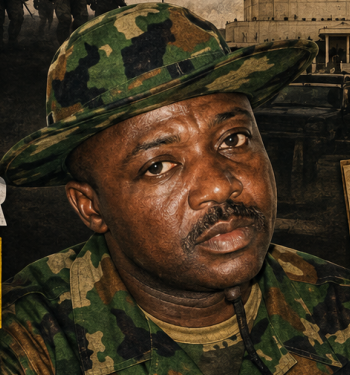
Nigerian Army Colonel Ma'aji Coup Allegations Spark Frustration
Summary
- Colonel Ma'aji, a senior Nigerian army officer, has been accused of leading a coup against the government.
- The colonel cited patriotism and frustration with the current state of affairs in Nigeria as his motivations for taking action.
- The allegations raise questions about the role of the military in civilian governance and potential implications on business operations and investment decisions.
What Happened
According to reports, Colonel Ma'aji cited patriotism and frustration with the current state of affairs in Nigeria as his motivations for taking action.
Colonel Ma'aji, a senior officer in the Nigerian army, has been accused of leading a coup against the government. According to reports, Colonel Ma'aji cited patriotism and frustration with the current state of affairs in Nigeria as his motivations for taking action. The colonel's statement highlights the growing discontent among military personnel and citizens alike, who feel that the government is not doing enough to address the country's pressing issues.
In a surprising move, Colonel Ma'aji revealed that he is struggling to make ends meet with his meager salary, which has left him questioning the government's priorities. He noted that many Nigerians are unable to afford basic necessities, including education for their children. This sentiment resonates with the frustrations of ordinary citizens who feel that the government is out of touch with their needs.
The colonel's statement raises questions about the role of the military in civilian governance and the potential implications of military intervention on business operations and investment decisions.
Legal Context
The allegations against Colonel Ma'aji are a significant development in Nigeria's complex history of military coups. The country has experienced several coup attempts over the years, with some succeeding and others failing. However, this latest incident highlights the ongoing tensions between the military and civilian authorities.
Under Nigerian law, military intervention in civilian governance is strictly regulated. The 1999 Constitution outlines the roles and responsibilities of both the military and civilian institutions, emphasizing the importance of civilian supremacy. Any attempt to overthrow the government or assume power through unconstitutional means would be considered a serious breach of these laws.
Lawyers and experts are closely watching this situation, as it may set a precedent for future military interventions in civilian governance. The potential implications on business operations and investment decisions cannot be overstated, as stability and predictability are essential for economic growth.
Why It Matters
The Colonel Ma'aji coup allegations have far-reaching consequences that extend beyond the immediate political landscape. As a nation, Nigeria is at a critical juncture, where the rule of law and democratic institutions are being tested.
The actions of military personnel like Colonel Ma'aji send a signal to investors, businesses, and citizens about the stability and security of the country. A successful coup would undermine confidence in the government's ability to maintain order and protect its citizens' rights.
In this context, the international community is closely monitoring developments in Nigeria, as they have significant implications for regional and global peace and stability.
Practical Implications
Lawyers should watch for potential precedents and implications of military intervention in civilian governance, which may impact business operations and investment decisions.
Source
How does this affect you?
Get an AI analysis of this article grounded in your jurisdictions, practice areas, and any policy documents you've uploaded to Wansom.
Wansom is AI and can make mistakes.