
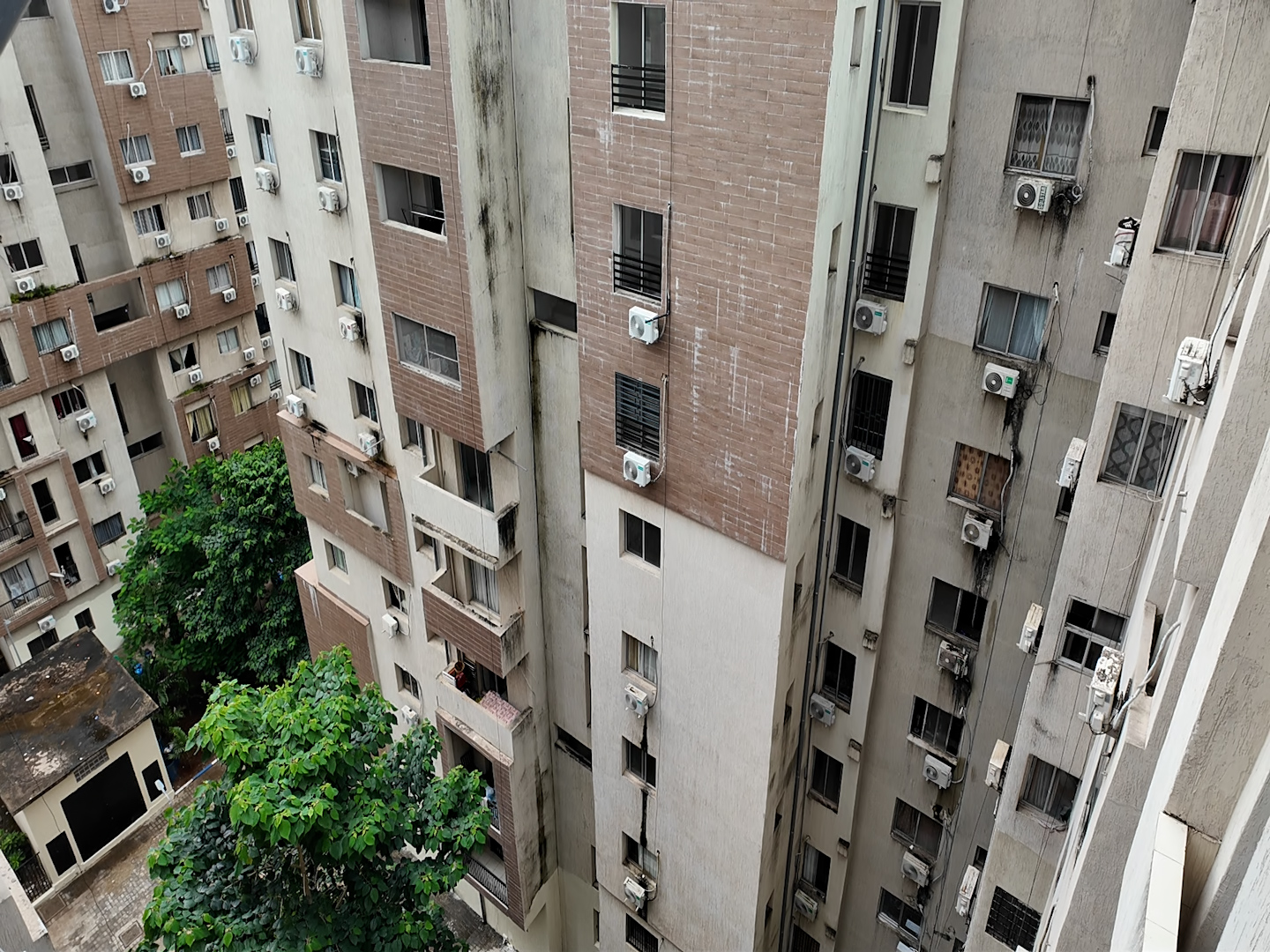
Coléah ADOHA Residents Face Property Defects, Parking Disputes
Residents of the ADOHA housing complex in Coléah, Guinea, are expressing significant dissatisfaction with persistent structural defects and management issues, including water infiltration and malfunctioning elevators, three years after acquiring their apartments.
This situation highlights a critical issue within Guinea's real estate sector, where homeowners are facing substantial challenges with newly acquired properties. The complaints, ranging from water infiltration and non-functional elevators to parking disputes, point to potential breaches of construction standards, contractual obligations, and failures in property management. Such widespread issues in a modern housing project, presented as a solution to housing deficits, raise serious questions about quality control, developer accountability, and consumer protection mechanisms in the Guinean market.
The legal significance of these grievances is substantial for all stakeholders in the real estate value chain. For developers and construction companies, it signals potential liability for latent defects, breach of warranty, and reputational damage. For property management firms, it underscores the importance of diligent maintenance and adherence to service level agreements. For homeowners, it brings to the fore their rights to remedies, compensation, and the enforcement of contractual terms, including the right to a habitable property and functional common amenities. This scenario could lead to complex civil litigation, potentially involving multiple parties and significant financial claims.
The legal context primarily involves Guinean contract law, property law (specifically co-ownership or *copropriété* regulations), and potentially consumer protection statutes. The Civil Code would govern the contractual relationship between buyers and the developer, addressing issues like hidden defects (*vices cachés*) and contractual non-performance. Specific legislation on housing construction standards and co-ownership would define the responsibilities of the developer, the syndicate of co-owners, and individual owners regarding maintenance, common areas, and defect rectification. Potential avenues for redress include civil litigation in Guinean courts, such as the Tribunal de Première Instance, for breach of contract or negligence, as well as administrative complaints to relevant housing or consumer protection authorities. The key parties involved are the homeowners, the developer of the ADOHA complex, the construction company, and potentially the property management entity.
Attorneys advising real estate developers, construction firms, or property management companies in Guinea should proactively review their contracts, warranties, and quality control procedures to mitigate similar risks and ensure compliance with building codes and consumer protection laws. For attorneys representing homeowners, this case underscores the necessity of thorough due diligence on purchase agreements, a deep understanding of co-ownership regulations, and preparedness to pursue legal remedies for construction defects, breaches of warranty, and inadequate property management. Prospective buyers should be advised to conduct comprehensive inspections and scrutinize developer reputations before committing to purchases.
How does this affect you?
Get an AI analysis of this article grounded in your jurisdictions, practice areas, and any policy documents you've uploaded to Wansom.
Finish Reading the Full Story and the Expert Analysis.
Wansom is AI and can make mistakes.