
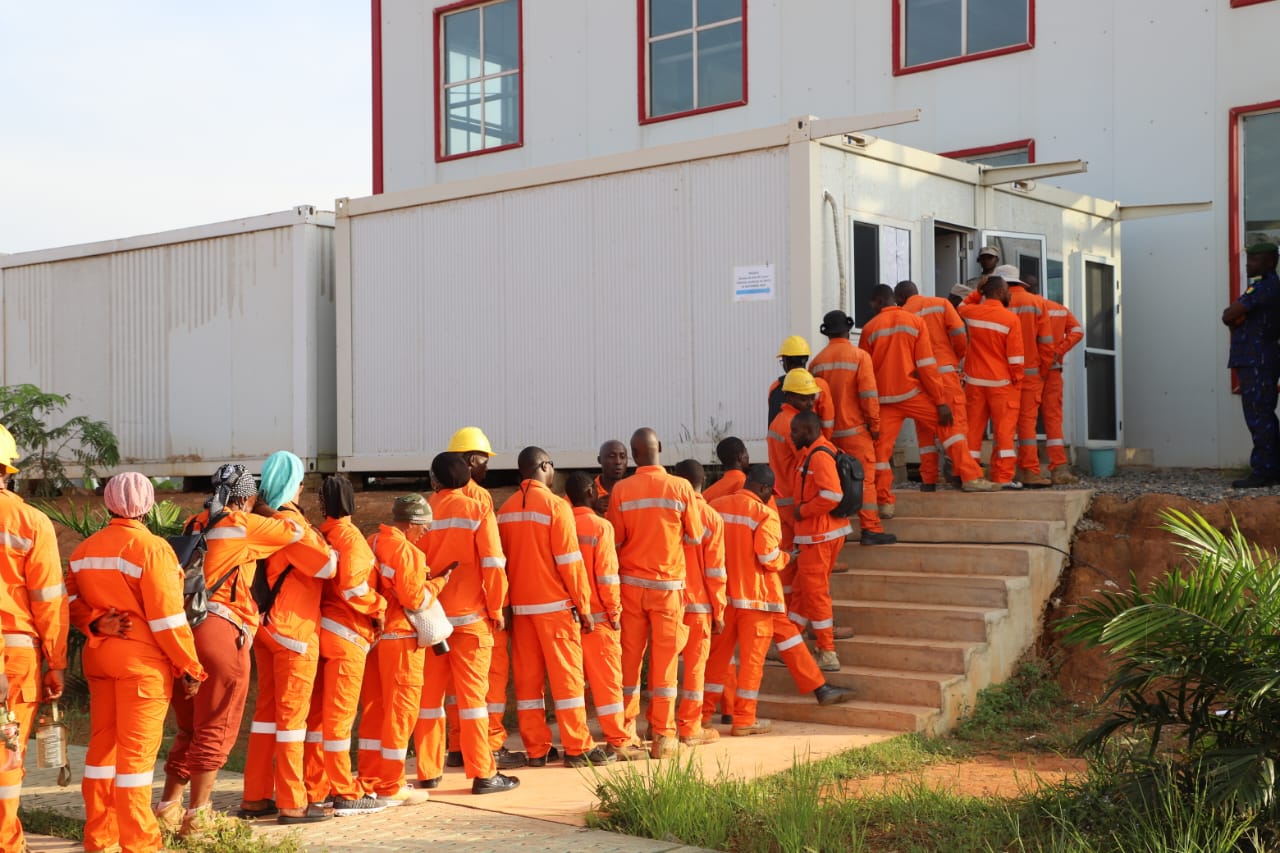
CNTG Wins BWCS Union Election Kérouané: New Delegation Takes Office
Summary
- The Confédération Nationale des Travailleurs de Guinée (CNTG) won the union election at Baowu Winning Consortium Simandou (BWCS) in Kérouané.
- The election for the new union delegation took place on Tuesday, November 3, 2026.
- Mamoudou Diaby leads the victorious CNTG delegation, which will serve a two-year mandate.
- The CNTG prevailed over the outgoing Union Syndicale des Travailleurs de Guinée (USTG) team.
- This outcome signals a notable shift in labor representation and potential changes in industrial relations at the BWCS site.
What Happened
Lawyers advising BWCS, or indeed any large employer operating in Guinea, should closely monitor this development.
Workers at Baowu Winning Consortium Simandou (BWCS) in Kérouané recently concluded a significant electoral process, selecting a new union delegation to represent their interests. The Confédération Nationale des Travailleurs de Guinée (CNTG) emerged victorious in the balloting held on Tuesday, November 3, 2026. This outcome marks a change in leadership for the local labor representation at the BWCS site.
The successful campaign for the CNTG was spearheaded by Mamoudou Diaby, who will now lead the newly elected delegation. This new team is set to serve a two-year term, overseeing labor relations and worker advocacy within the consortium. The election saw the CNTG prevail over the incumbent team from the Union Syndicale des Travailleurs de Guinée (USTG), signifying a shift in the organized labor landscape at the Kérouané operations.
Context of Labor Representation
In Guinea, the election of a 'délégation syndicale' or union delegation is a critical mechanism for formalizing worker representation within companies. These delegations act as the primary interface between employees and management, addressing concerns ranging from working conditions and wages to dispute resolution. The process ensures that workers have a democratically chosen body to articulate their collective demands and negotiate on their behalf.
Such Kérouané syndical elections are not merely internal matters but reflect broader dynamics within Guinea's labor movement. National federations like the Confédération Nationale des Travailleurs de Guinée play a crucial role in organizing and supporting these local delegations, providing strategic guidance and resources. The outcome at BWCS therefore extends beyond the immediate workplace, influencing the standing and influence of these larger labor organizations.
Implications for BWCS and Labor Relations
The recent change in union leadership at Baowu Winning Consortium Simandou carries significant implications for the company's operational and legal teams. Lawyers advising BWCS, or indeed any large employer operating in Guinea, should closely monitor this development. A new union delegation, particularly one led by a different national federation, often signals potential shifts in labor relations strategies and collective bargaining priorities. The Confédération Nationale des Travailleurs de Guinée, now at the helm, may bring a fresh agenda to the negotiating table, potentially impacting future agreements on wages, benefits, and working conditions.
Compliance officers are advised to update their stakeholder maps for labor engagement to reflect this new leadership. Understanding the specific objectives and approaches of Mamoudou Diaby and the CNTG will be crucial for maintaining stable industrial relations and proactively addressing any emerging concerns. The transition could also influence the likelihood or nature of industrial action, making effective communication and a clear understanding of the new delegation's mandate paramount for the consortium's continued operations in Kérouané.
The Broader Landscape
The victory of the Confédération Nationale des Travailleurs de Guinée, led by Mamoudou Diaby, over the USTG at the BWCS Kérouané site underscores the competitive nature of Guinea labor union elections. These contests are fundamental to the democratic representation of workers' interests across various industries. The presence of multiple strong national federations, such as the CNTG and the USTG, ensures a dynamic environment where unions must actively engage with their constituents to secure mandates.
For companies like Baowu Winning Consortium Simandou, navigating this landscape requires an understanding of the distinct philosophies and priorities that different unions may bring. The outcome of the Kérouané election serves as a reminder that labor representation is not static, and employers must remain adaptable and informed about the evolving dynamics of organized labor within their operational zones. This electoral result further solidifies the CNTG's influence in key industrial sectors within Guinea.
Practical Implications
Lawyers advising Baowu Winning Consortium Simandou (BWCS) or other large employers in Guinea should note the change in union leadership, as it may signal shifts in labor relations, collective bargaining priorities, or potential for industrial action. Compliance officers should update their stakeholder maps for labor engagement.
Source
How does this affect you?
Get an AI analysis of this article grounded in your jurisdictions, practice areas, and any policy documents you've uploaded to Wansom.
Wansom is AI and can make mistakes.