
CNDH RDC: Plea For Peace Amid C64 Loi Référendum Protests
Summary
- The CNDH urged for democratic expression and non-confrontation on Monday, September 14, 2026, ahead of nationwide protests in the RDC.
- The Coalition Article 64 for the defense of the constitutional order (C64) plans demonstrations across the country on Tuesday, September 15.
- The C64's protests aim to demand the rejection of a proposed law on the referendum and a broader 'project of change'.
- The CNDH's plea emphasizes the importance of peaceful assembly and human rights amidst political tensions regarding constitutional matters in the RDC.
CNDH Calls for Calm Ahead of Nationwide Protests
The CNDH's statement emphasizes the importance of maintaining peace and upholding human rights during public assemblies.
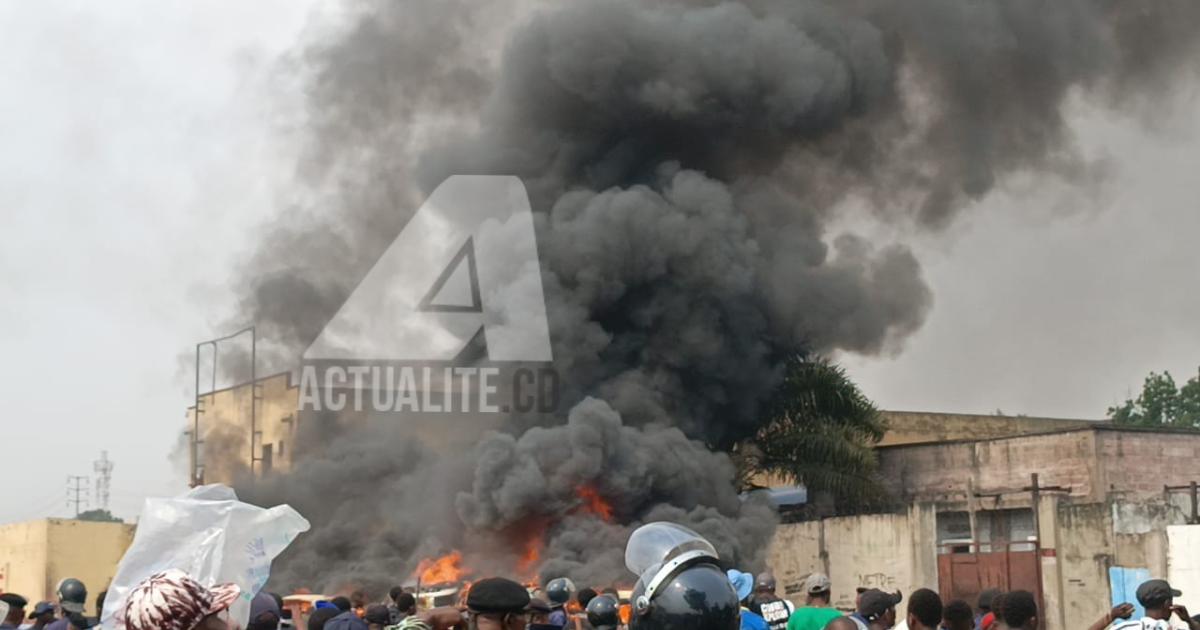
The National Human Rights Commission (CNDH) in the Democratic Republic of Congo has issued a plea for democratic expression and non-confrontation, just hours before a significant nationwide demonstration. This intervention by the CNDH, reported on Monday, September 14, 2026, at 14:08, underscores the heightened political tensions surrounding a proposed referendum law and a broader 'project of change' in the country.
The CNDH's statement emphasizes the importance of maintaining peace and upholding human rights during public assemblies. Their call serves as a crucial reminder to all parties involved – both protestors and authorities – to prioritize dialogue and respect for the rule of law, aiming to prevent any escalation of unrest as citizens prepare to voice their concerns.
Coalition Article 64 Mobilizes Against Constitutional Changes
The impending protests, scheduled for Tuesday, September 15, are being organized by the Coalition Article 64 for the defense of the constitutional order (C64). This influential group is mobilizing its members across the Democratic Republic of Congo to demand the outright rejection of a controversial law concerning a referendum, as well as a more general 'project of change' that has sparked widespread concern.
The C64's mission, as indicated by its full name, is to safeguard the existing constitutional framework of the RDC. Their planned demonstration is a direct response to legislative proposals they view as potentially undermining the nation's fundamental legal principles and democratic institutions. The coalition's actions highlight a significant segment of civil society's determination to protect the integrity of the constitution.
Focus on the Referendum Law and 'Project of Change'
At the heart of the C64's grievances are two specific legislative initiatives: a proposed law on the referendum and a broader, less defined 'project of change.' While the exact details of these proposals were not specified, their introduction has evidently triggered alarm among groups committed to the defense of the constitutional order in the RDC. The C64's call for their rejection suggests a belief that these measures could lead to significant alterations to the country's governance structure or fundamental laws.
Such legislative efforts, particularly those involving constitutional referendums, often carry profound implications for a nation's political stability and democratic future. The C64's organized opposition, therefore, represents a critical moment in the ongoing discourse regarding constitutional reform and adherence to established legal norms within the République Démocratique Congo.
Upholding Democratic Expression and Constitutional Order
The CNDH's timely intervention, advocating for democratic expression over confrontation, highlights the delicate balance between the right to protest and the imperative for public order. As the national body responsible for human rights, the CNDH République Démocratique Congo plays a vital role in ensuring that citizens can exercise their freedoms, including the right to peaceful assembly and expression, without resorting to violence.
The broader context of these events underscores the ongoing challenges in maintaining constitutional stability and fostering inclusive political processes in the RDC. The C64's efforts to defend the constitutional order, coupled with the CNDH's emphasis on peaceful engagement, reflect the complex interplay between civil society activism, governmental initiatives, and human rights oversight in the nation's political landscape. Lawyers and compliance officers in the DRC should closely monitor developments regarding the proposed referendum law and associated public protests, as these could signal shifts in the constitutional landscape or impact political stability.
Practical Implications
Lawyers and compliance officers in the DRC should monitor developments regarding the proposed referendum law and associated public protests, as these could signal shifts in the constitutional landscape or impact political stability. Understanding the CNDH's stance is crucial for advising clients on human rights implications and potential legal challenges to the legislative process.
Source
How does this affect you?
Get an AI analysis of this article grounded in your jurisdictions, practice areas, and any policy documents you've uploaded to Wansom.
Finish Reading the Full Story and the Expert Analysis.
Get the latest legal & regulatory intelligence in DR Congo
Wansom is AI and can make mistakes.