
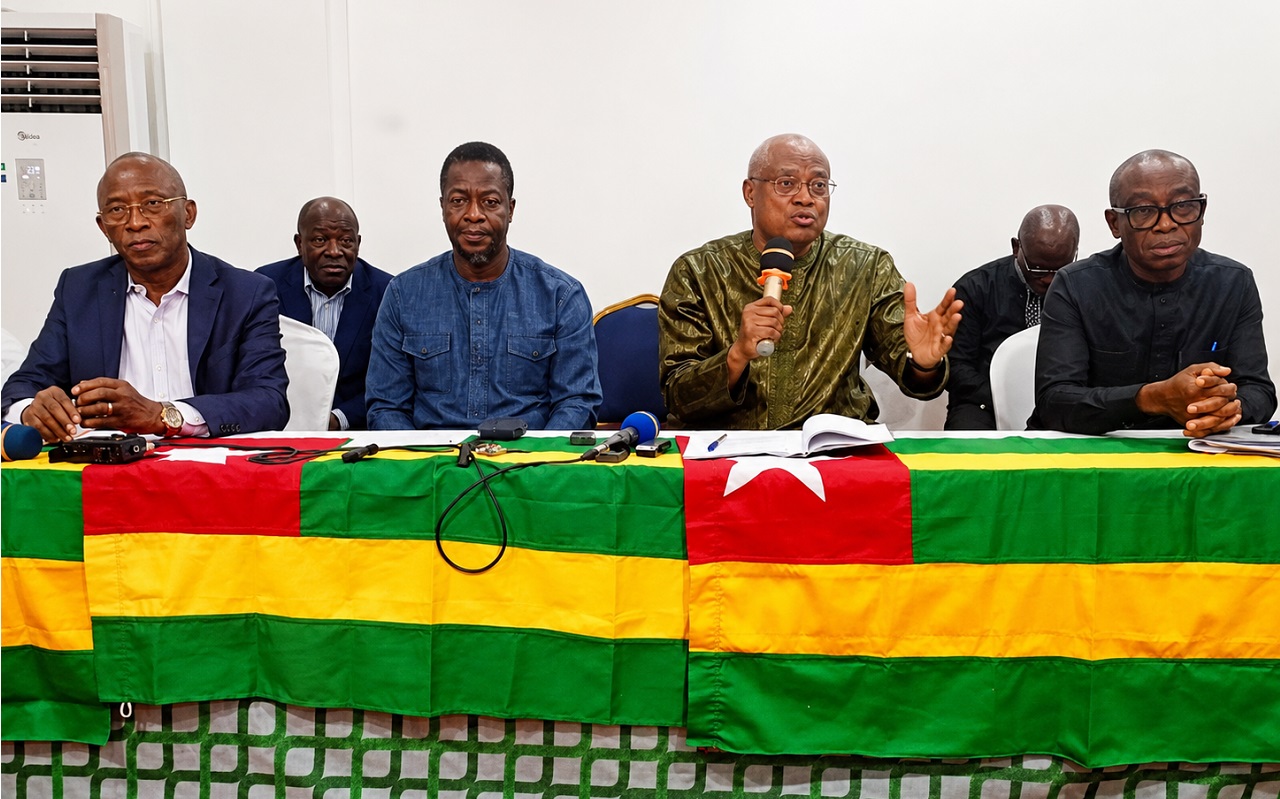
Togo CNCC: Meeting Restrictions Condemned Amid Systematic Interference
Summary
- The Cadre national de concertation pour le changement (CNCC) accused the Togolese government of systematically obstructing its November 8, 2026 meeting in Tsévié.
- The CNCC detailed tactics including disproportionate police deployment, arbitrary arrests, and bureaucratic demands for site availability.
- These actions are characterized by the CNCC as a deliberate infringement on fundamental freedom of assembly, violating the 2024 Constitution.
- The opposition group asserts that the government, led by Faure Essozimna Gnassingbé, President of the Council of Ministers, fears democratic debate and operates as an authoritarian regime.
- The CNCC has called for a large public meeting in Lomé on December 13, 2026, following these alleged restrictions.
Recent Incidents and Accusations
The Cadre national de concertation pour le changement (CNCC) firmly asserted that the right to assembly and association is a fundamental and inalienable entitlement, not a privilege to be granted or withheld by the government.
The Cadre national de concertation pour le changement (CNCC) issued a strong declaration on November 13, 2026, condemning what it described as severe infringements on the right to assembly during its meeting held in Tsévié on November 8. The opposition group specifically accused the government, under the leadership of Faure Essozimna Gnassingbé, President of the Council of Ministers, of deploying a range of tactics designed to impede the gathering. These included imposing burdensome administrative requirements, orchestrating a disproportionately large police presence, and carrying out arrests of activists.
The CNCC characterized these actions not as isolated incidents or the result of overzealous local officials, but rather as a "systematic practice" aimed at restricting fundamental freedoms. The statement, addressed directly to the President of the Council of Ministers and the Togolese populace, highlighted the group's gratitude towards those who facilitated the Tsévié event despite the challenges. Following these events, the CNCC announced plans for a significant public gathering in Lomé on Sunday, December 13, 2026, urging citizens to participate.
Systematic Obstacles to Assembly
The CNCC’s declaration detailed a consistent pattern of governmental interference with Togo political assembly rights since the organization began holding public meetings and conferences. These gatherings are intended to inform the public about the proposed V Republic and the implications of a CEDEAO Cour de justice Togo ruling concerning an unconstitutional change of government. The group enumerated several specific methods employed by authorities to obstruct these activities.
Among the reported tactics were bureaucratic hurdles, such as demanding certificates proving the availability of meeting sites, and the deployment of excessive law enforcement personnel. These officers reportedly subjected activists traveling to rally locations to extensive controls and requests for various documents. Furthermore, the CNCC cited deliberate physical impediments to the movement of vehicles transporting participants, intimidation directed at peaceful citizens, and the arbitrary detention of numerous activists, who were reportedly handcuffed and jailed. The group also noted instances where mayors refused to grant access to public sites, citing spurious scheduling conflicts or local management issues, further illustrating the pervasive nature of Togo CNCC meeting restrictions.
Undermining Constitutional Rights and Democracy
The Cadre national de concertation pour le changement (CNCC) firmly asserted that the right to assembly and association is a fundamental and inalienable entitlement, not a privilege to be granted or withheld by the government. The organization contended that the actions observed in Tsévié and other Lomé political meetings reflect an authoritarian regime that openly disregards universally recognized principles and the provisions of the 2024 Constitution. The CNCC accused the government of exhibiting a "panic fear" of dissent and democratic debate, questioning the duration of Togo's status as a nation where basic freedoms are treated as offenses against the state.
The CNCC's statement also raised broader concerns about the country's trajectory, asking how long Togo would remain under the control of a "predatory minority" that monopolizes national resources. The group critically assessed the nation's political landscape, characterizing it as a symbol of "abject dictatorship," marked by fraudulent elections, systemic corruption, a compromised judiciary, a neglected youth, and an unwavering resistance to democratic alternation. These allegations underscore the profound implications of the Togo CNCC meeting restrictions for the nation's democratic future and the fundamental liberté de réunion Togo.
Practical Implications
This article signals a systematic pattern of government interference with the fundamental right to freedom of assembly in Togo, utilizing administrative hurdles, disproportionate police presence, and arbitrary arrests. Lawyers advising political organizations, NGOs, or individuals planning public gatherings in Togo must anticipate and strategize against these documented tactics, potentially preparing for legal challenges based on constitutional rights and ECOWAS court precedents.
Source
How does this affect you?
Get an AI analysis of this article grounded in your jurisdictions, practice areas, and any policy documents you've uploaded to Wansom.
Finish Reading the Full Story and the Expert Analysis.
Get the latest legal & regulatory intelligence in Togo
Wansom is AI and can make mistakes.