
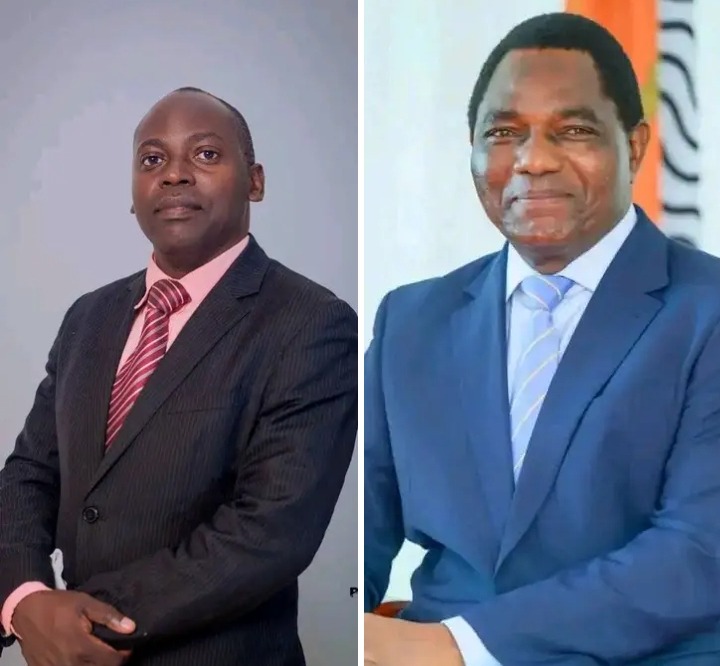
Clergyman Urges President Hichilema to Uphold Term Limits
Clergyman Maxwell Luchile publicly urged Zambian President Hakainde Hichilema to resist calls to remove presidential term limits, as reported by the Zambian Observer.
This public appeal by a prominent social commentator highlights an ongoing and critical debate within Zambia concerning constitutional integrity and democratic governance. Luchile, who identifies as a supporter of President Hichilema, used a statement circulated on social media to advocate for the preservation of the existing constitutional framework regarding presidential tenure. This event is not a legal proceeding or a ruling, but rather a significant piece of public discourse that signals potential political pressures or discussions around fundamental constitutional provisions.
The legal significance of such public advocacy for practitioners, particularly those in constitutional law, public policy, and corporate governance, lies in its indication of potential future legislative or constitutional amendment efforts. The stability of presidential term limits is a cornerstone of democratic transitions and the rule of law, directly influencing political risk assessments for businesses and the overall predictability of the legal and regulatory environment. Any move to alter these limits could precipitate significant legal challenges, widespread public debate, and potentially impact investor confidence and the perceived strength of democratic institutions in Zambia. For legal professionals advising clients with interests in Zambia, monitoring such discussions is crucial for anticipating shifts in the political and legal landscape.
The core legal context for this discussion is the Constitution of Zambia, specifically Article 106, which stipulates that a person shall not be eligible for election as President for more than two terms of five years each. This provision is a fundamental aspect of Zambia's democratic architecture, designed to prevent the concentration of power and ensure regular, peaceful transitions. Any attempt to remove or amend this article would necessitate a complex constitutional amendment process, typically requiring a two-thirds majority vote in Parliament and potentially a national referendum, depending on the nature of the proposed change. The Zambian legal framework, like many democratic constitutions, places high hurdles on altering such foundational provisions, reflecting their importance to the nation's governance structure. The key parties involved are President Hakainde Hichilema, the subject of the appeal, and Maxwell Luchile, the clergyman and social commentator making the public statement. The Zambian Observer serves as the reporting media outlet.
Attorneys and legal professionals should closely monitor any legislative proposals, public statements from government officials, or political party manifestos that suggest a review or amendment of constitutional provisions, particularly those pertaining to presidential term limits. Constitutional law specialists should be prepared to advise clients on the implications of such changes for governance, political stability, and the rule of law. Businesses operating in Zambia should integrate potential constitutional shifts into their political risk analyses, as alterations to fundamental governance structures can have profound impacts on long-term investment strategies and operational stability. Engagement with civil society organizations, legal reform bodies, and parliamentary processes may also become relevant for practitioners seeking to understand or influence the trajectory of such critical national debates. The outcome of this public appeal and any subsequent actions by the President or Parliament regarding term limits are not yet reported.
How does this affect you?
Get an AI analysis of this article grounded in your jurisdictions, practice areas, and any policy documents you've uploaded to Wansom.
Finish Reading the Full Story and the Expert Analysis.
Get the latest legal & regulatory intelligence in Zambia
Wansom is AI and can make mistakes.