
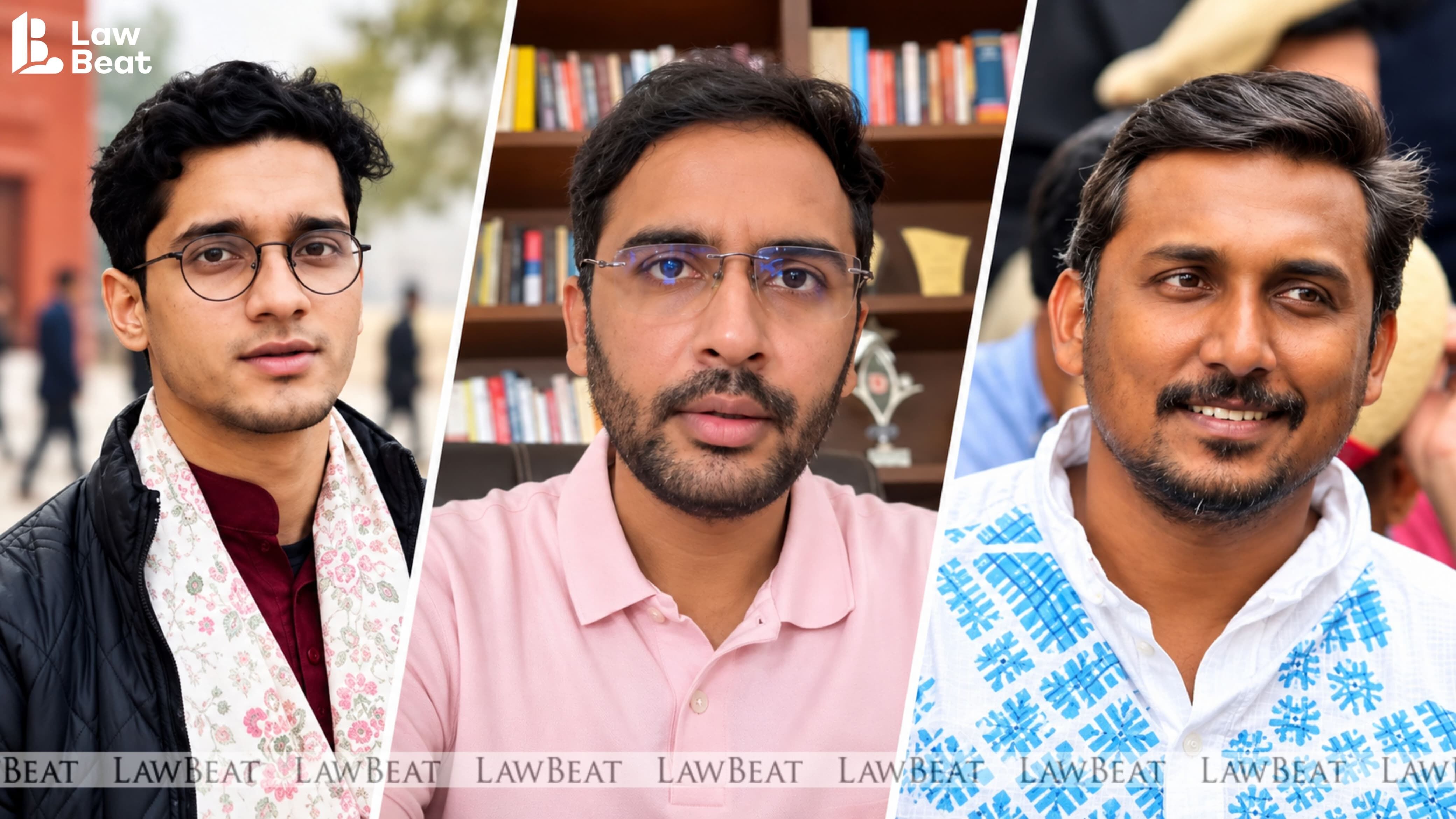
CJP Leaders Skip Delhi Police Questioning in Jantar Mantar Case
On October 22, 2026, Cockroach Janta Party (CJP) leaders Saurav Das and Ashutosh Ranka did not appear before the Delhi Police Crime Branch for questioning in the Jantar Mantar protest case, instead seeking more time, after being summoned to join an investigation into alleged trespass and disobedience of a government order.
This development highlights the procedural intricacies of criminal investigations in India, particularly concerning police summons and the rights of individuals to seek extensions for appearance. It underscores the ongoing nature of legal proceedings against political activists and the distinction between preventive detention and formal criminal investigations. The seeking of more time by the leaders indicates a strategic approach to engagement with law enforcement, which is a common practice in such high-profile cases.
The legal context for this matter involves an investigation into alleged violations of Section 188 of the Indian Penal Code (IPC), pertaining to disobedience to an order duly promulgated by a public servant, and alleged trespass. The Delhi Police Crime Branch is the investigating agency. Notably, the leaders had previously been released from Tihar Jail following preventive proceedings for alleged breach of bonds to keep the peace, which were distinct from the current criminal investigation. This distinction between preventive measures (often under Sections 107/151 CrPC) and substantive criminal charges is crucial in Indian law.
The key parties involved are Saurav Das and Ashutosh Ranka, leaders of the Cockroach Janta Party (CJP), their associate Ajinkya Shinde, the Delhi Police Crime Branch, and a Special Executive Magistrate at Mandir Marg police station who had previously ordered their release. The outcome of the current summons and investigation is not yet reported, as the leaders have sought more time.
Legal practitioners representing individuals summoned by police should be acutely aware of the right to seek extensions for appearance, the strategic implications of such requests, and the critical distinction between preventive and criminal proceedings. Attorneys must advise clients on the potential consequences of non-appearance, the process for responding to fresh notices, and the overall strategy for cooperating with or challenging investigations while ensuring full compliance with legal requirements and protecting their clients' rights.
How does this affect you?
Get an AI analysis of this article grounded in your jurisdictions, practice areas, and any policy documents you've uploaded to Wansom.
Finish Reading the Full Story and the Expert Analysis.
Get the latest legal & regulatory intelligence in India
Wansom is AI and can make mistakes.