
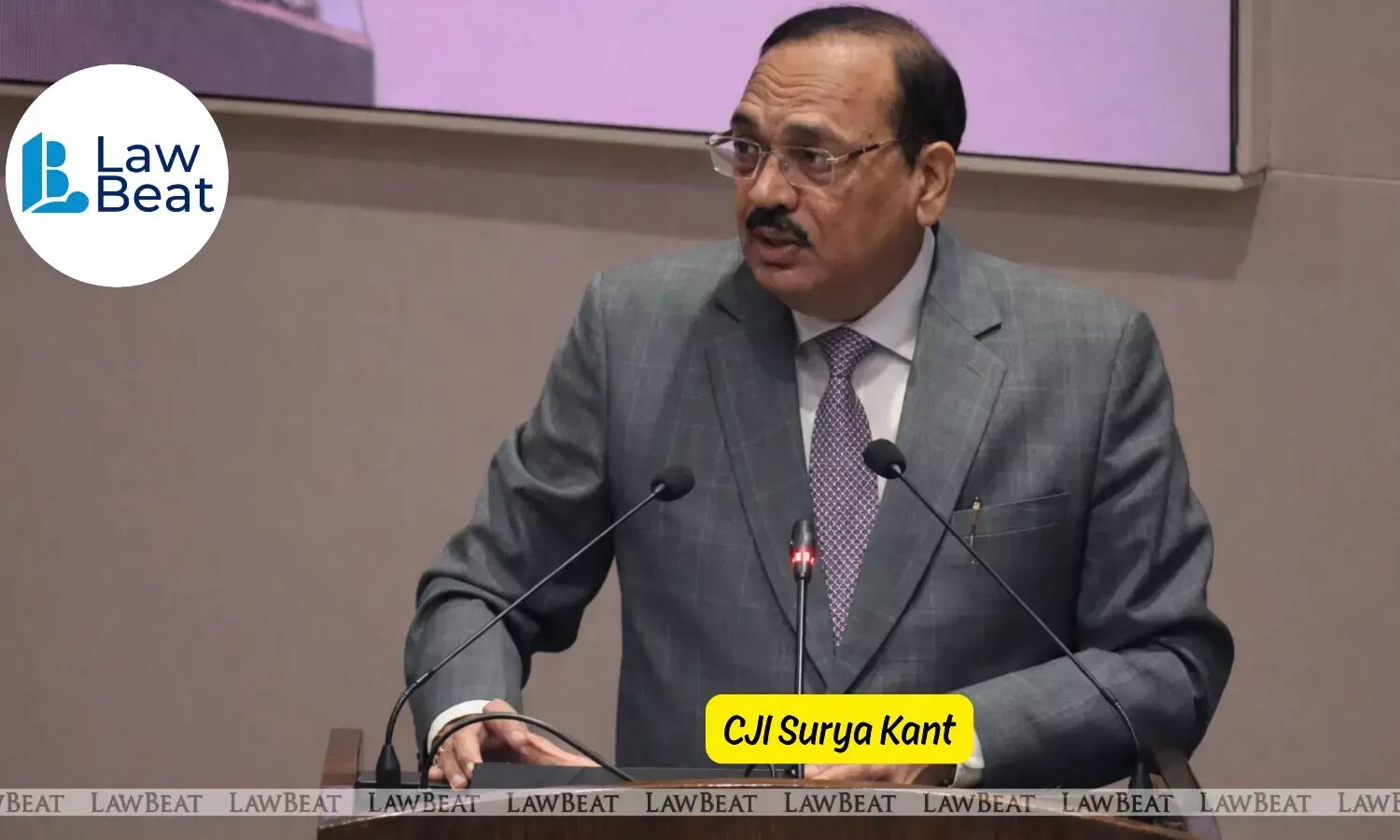
CJI Surya Kant: India to Host BRICS Chief Justices Forum 2026
Summary
- The Supreme Court of India will host the BRICS Chief Justices’ Forum in New Delhi from September 4 to 6, 2026.
- Chief Justice Surya Kant will hold bilateral meetings with judicial leaders from BRICS and partner nations, including Russia, China, Egypt, and South Africa.
- The forum will address key themes such as international commercial dispute resolution, cross-border enforcement of arbitral awards, and the impact of AI on the judiciary.
- Heads of delegations from numerous BRICS and partner countries, including Brazil, Ethiopia, and Malaysia, will participate in discussions and share perspectives.
- The event aims to foster closer judicial dialogue, experience exchange, and deeper cooperation on emerging legal and institutional issues among participating judiciaries.
A Landmark Judicial Gathering in New Delhi
The discussions surrounding international commercial dispute resolution BRICS, the implications of AI and judiciary BRICS, and the complexities of cross-border arbitral award enforcement are expected to lay groundwork for future collaborative initiatives and potentially influence the development of harmonized legal frameworks.
The Supreme Court of India is set to host the BRICS Chief Justices’ Forum in New Delhi from September 4 to 6, 2026. This significant international event will convene Chief Justices, Presidents of Supreme Courts, and other senior judicial leaders from BRICS member states and various partner countries. The forum is designed to serve as a crucial platform for fostering dialogue and facilitating the exchange of perspectives on contemporary challenges pertinent to justice delivery, international dispute resolution, technological advancements, and sustainable development.
India's Chief Justice, Surya Kant, will play a central role, engaging in a series of bilateral meetings with heads of judicial delegations on the forum's opening day. These direct interactions are anticipated to provide opportunities for discussing matters of mutual judicial interest and strengthening collaborative ties among the participating judiciaries. Among the judicial leaders CJI Surya Kant will meet are representatives from Russia, China, Egypt, Indonesia, the UAE, Belarus, Kazakhstan, South Africa, Iran, and Uzbekistan.
The gathering underscores the growing importance of judicial cooperation among these nations. Participants will include top judicial figures such as Igor Krasnov from Russia, Zhang Jun from China, Boulos Gahmy Iskander Boulos from Egypt, Mahube Betty Molemela from South Africa, Ayatollah Gholam Hossein Mohseni-Eje’i from Iran, Sunarto from Indonesia, and Mohammed Hamad Al Badi Al Dhaheri from the UAE. Additionally, representatives from partner nations like Belarus, Kazakhstan, and Uzbekistan will also be in attendance, broadening the scope of judicial engagement.
Addressing Critical Legal Frontiers
The substantive sessions of the BRICS Chief Justices Forum themes will delve into four pivotal areas shaping the global legal landscape. A primary focus will be on mediation and international commercial disputes, examining how mediation can serve as a strategic mechanism for effective resolution in an increasingly globalized economy. This discussion aims to enhance understanding and application of alternative dispute resolution methods across borders.
Another key theme involves the cross-border enforcement of arbitral awards. Discussions will address existing challenges in enforcing these awards internationally and explore pathways toward greater procedural harmonization among participating jurisdictions. This is particularly relevant for businesses operating across BRICS nations, seeking more predictable and efficient legal recourse.
The forum will also dedicate significant attention to Artificial Intelligence and the Judiciary. This segment will explore the impact of digital innovation and AI on judicial administration, contemplating the future integration of these technologies into legal processes. Furthermore, judicial leadership and sustainable development will be a critical topic, considering the judiciary's role in ecological governance and advancing sustainable energy systems globally.
On the second day, heads of delegations from BRICS member states and partner countries will address the forum, sharing their unique perspectives on issues of common interest to judicial institutions. Speakers are expected from a wide array of nations including Brazil, China, Egypt, Ethiopia, Indonesia, Iran, Russia, South Africa, and the UAE, alongside partner countries such as Belarus, Bolivia, Kazakhstan, Malaysia, Thailand, Uganda, and Uzbekistan, ensuring a diverse range of viewpoints on these pressing legal matters.
Fostering Global Judicial Collaboration
The BRICS Chief Justices Forum in 2026, hosted by the India Supreme Court, is anticipated to significantly encourage closer judicial dialogue among its diverse participants. By providing a dedicated platform for high-level interaction, the event aims to promote the exchange of experiences and best practices in justice delivery and legal administration. This collaborative environment is crucial for addressing shared challenges and fostering innovative solutions.
Ultimately, the forum seeks to deepen cooperation among BRICS Member States and Partner Countries on emerging legal and institutional issues. The discussions surrounding international commercial dispute resolution BRICS, the implications of AI and judiciary BRICS, and the complexities of cross-border arbitral award enforcement are expected to lay groundwork for future collaborative initiatives and potentially influence the development of harmonized legal frameworks. The outcomes of this gathering could therefore have lasting implications for international legal practice and judicial policy across these influential regions.
Practical Implications
Lawyers and compliance officers should monitor the outcomes of this forum for insights into evolving judicial approaches to international commercial disputes, AI in law, and cross-border enforcement, particularly concerning BRICS and partner nations, as these discussions may influence future legal frameworks and practices. This provides a heads-up on potential shifts in the legal landscape relevant to international transactions and technology.
Source
How does this affect you?
Get an AI analysis of this article grounded in your jurisdictions, practice areas, and any policy documents you've uploaded to Wansom.
Finish Reading the Full Story and the Expert Analysis.
Wansom is AI and can make mistakes.