
CJI Surya Kant: Backs 4-Year Law Degree With Mandatory Apprenticeship
Summary
- Chief Justice of India Surya Kant endorsed a proposal for a four-year law degree.
- The proposal, from CNLU Vice-Chancellor Faizan Mustafa, would replace the final academic year with a mandatory court apprenticeship.
- This change would also eliminate the separate one-year practice requirement for judicial service exam eligibility.
- The aim is to integrate practical litigation exposure directly into the curriculum, not to shorten overall legal education.
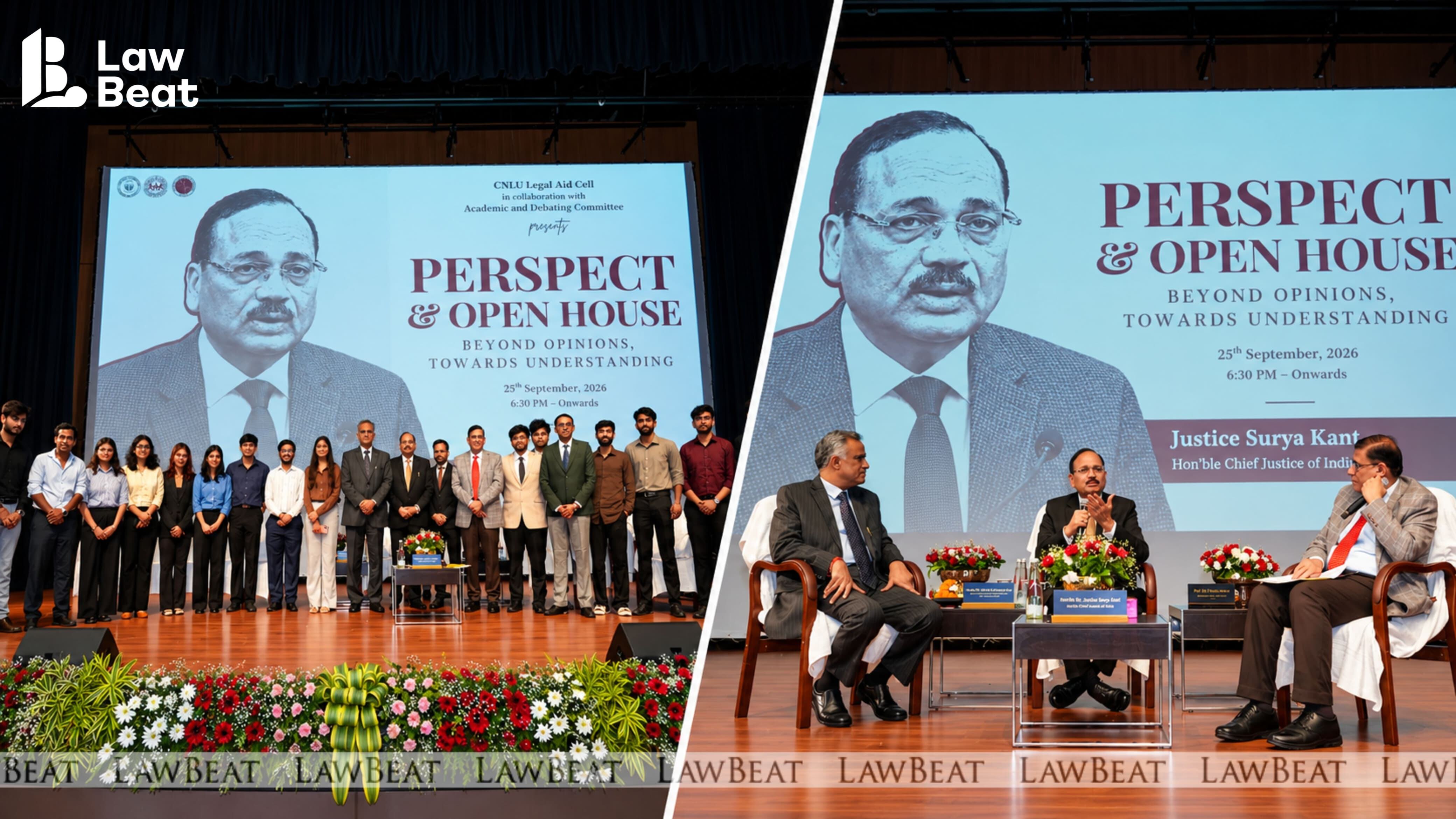
- The endorsement occurred during an unscripted student open house at CNLU Patna, following student-initiated dialogue.
A Landmark Proposal for Legal Education
This initiative could represent a significant Indian legal education reform, fundamentally altering how future legal professionals are trained and qualified.
Chief Justice of India Surya Kant recently expressed strong approval for a significant restructuring of legal education in the country. Speaking at an open house event at Chanakya National Law University (CNLU) in Patna, the Chief Justice publicly endorsed a proposal put forth by CNLU Vice-Chancellor Faizan Mustafa, describing it as "a new, welcome idea."
The proposal aims to fundamentally alter the structure of the integrated law degree, moving towards a model that prioritizes practical experience earlier in a student's career. This endorsement by the head of India's judiciary signals a potential shift in the approach to Indian legal education reform, emphasizing hands-on training as a core component of legal qualification.
Restructuring the Law Degree and Judicial Eligibility
At the heart of Faizan Mustafa's proposal is a plan to convert the existing five-year integrated law degree into a four-year academic program. The fifth year, traditionally dedicated to academic study, would instead be replaced by a mandatory court apprenticeship in India. This structural change is designed to integrate real-world legal practice directly into the educational framework.
A key aspect of the Faizan Mustafa law degree proposal is its impact on judicial service exam eligibility. Under the current system, law graduates are generally required to complete a separate one-year practice requirement before they are permitted to sit for these examinations, though a transitional waiver allows fresh graduates to appear for exams notified until March 31, 2027, without prior practice experience. The proposed mandatory court apprenticeship would eliminate this standalone requirement, as the practical experience gained during the fifth year would fulfill this prerequisite, thereby streamlining the path for aspiring judicial officers. Mustafa emphasized that the intent behind this reform is not to shorten the overall duration of legal training, but rather to embed practical litigation exposure directly into the curriculum, moving away from the current arrangement where practical experience is often pursued independently after graduation.
Broader Judicial Insights and Unscripted Dialogue
The endorsement of the CJI Surya Kant four-year law degree proposal took place during an unprecedented and unscripted open house at CNLU's Ashoka Auditorium. This event was notable for being a direct, student-initiated question-and-answer session involving a sitting Chief Justice of India. Justice V. Kameswar Rao, Chief Justice of the Patna High Court and CNLU's Chancellor, was also present and contributed to the discussion, highlighting the need to make judicial clerkships at High Courts significantly more competitive, financially attractive, and rewarding to draw top legal talent away from corporate law career options.
Beyond the specific degree restructuring, the Chief Justice used the platform to address several other student concerns. He reaffirmed the judiciary's commitment to protecting students' right to peaceful protest, called for the establishment of a dedicated financial assistance corpus for young lawyers beginning their careers at the bar, and made an on-record commitment to address student concerns over rising tuition fees and inadequate scholarships. When questioned, he also explained why dissenting Collegium opinions are recorded internally but not made public, stating that public disclosure, however well-intentioned, could place a judge under consideration in an untenable position. The significance of this direct interaction at CNLU was heightened by the fact that it occurred days after students at NALSAR, Hyderabad, and NLSIU, Bangalore, had objected to the CJI's presence at their convocation ceremonies, underscoring the student-driven nature of the CNLU dialogue.
Why It Matters
The CJI Surya Kant four-year law degree proposal, with its focus on a mandatory court apprenticeship, could usher in significant judicial service exam eligibility changes and broader Indian legal education reform. This initiative represents a potential paradigm shift, aiming to bridge the gap between theoretical legal knowledge and practical application by ensuring that graduates enter the profession with direct litigation experience. Such a change could profoundly influence the quality of legal talent entering the bar and the judiciary.
This initiative could represent a significant Indian legal education reform, fundamentally altering how future legal professionals are trained and qualified. By integrating a mandatory court apprenticeship in India, the proposal seeks to ensure that legal graduates are better prepared for the demands of practice, potentially enhancing the overall effectiveness of the legal system. The endorsement from the Chief Justice of India lends considerable weight to this vision, suggesting a serious consideration of these reforms at the highest levels of the judiciary.
Practical Implications
Lawyers and compliance officers in India should monitor the progress of this proposal as it could reshape the qualifications and practical experience of future legal professionals, potentially influencing recruitment strategies and the overall quality of legal talent entering the profession.
Source
How does this affect you?
Get an AI analysis of this article grounded in your jurisdictions, practice areas, and any policy documents you've uploaded to Wansom.
Finish Reading the Full Story and the Expert Analysis.
Get the latest legal & regulatory intelligence in India
Wansom is AI and can make mistakes.