
CJI Surya Kant: Delhi High Court Tackles AI Deepfakes, Eases SC Burden
Summary
- Chief Justice of India Surya Kant praised the Delhi High Court during its 60th-anniversary celebration on October 30, 2026.
- The CJI noted the Delhi High Court handles a "disproportionate burden" for the Supreme Court due to its robust civil and commercial jurisprudence.
- Key strengths highlighted include its original civil jurisdiction, the 2009 arbitration center, and its highly regarded Intellectual Property Division.
- The Delhi High Court, which began with four judges in 1966, has evolved into an institution adept at resolving diverse and complex disputes.
- CJI Kant identified AI-generated works and deepfakes as significant new legal challenges facing the judiciary.
Delhi High Court's Pivotal Role
The Chief Justice of India, Surya Kant, specifically highlighted the emerging legal questions posed by AI-generated works and deepfakes, signaling a new frontier for judicial consideration.
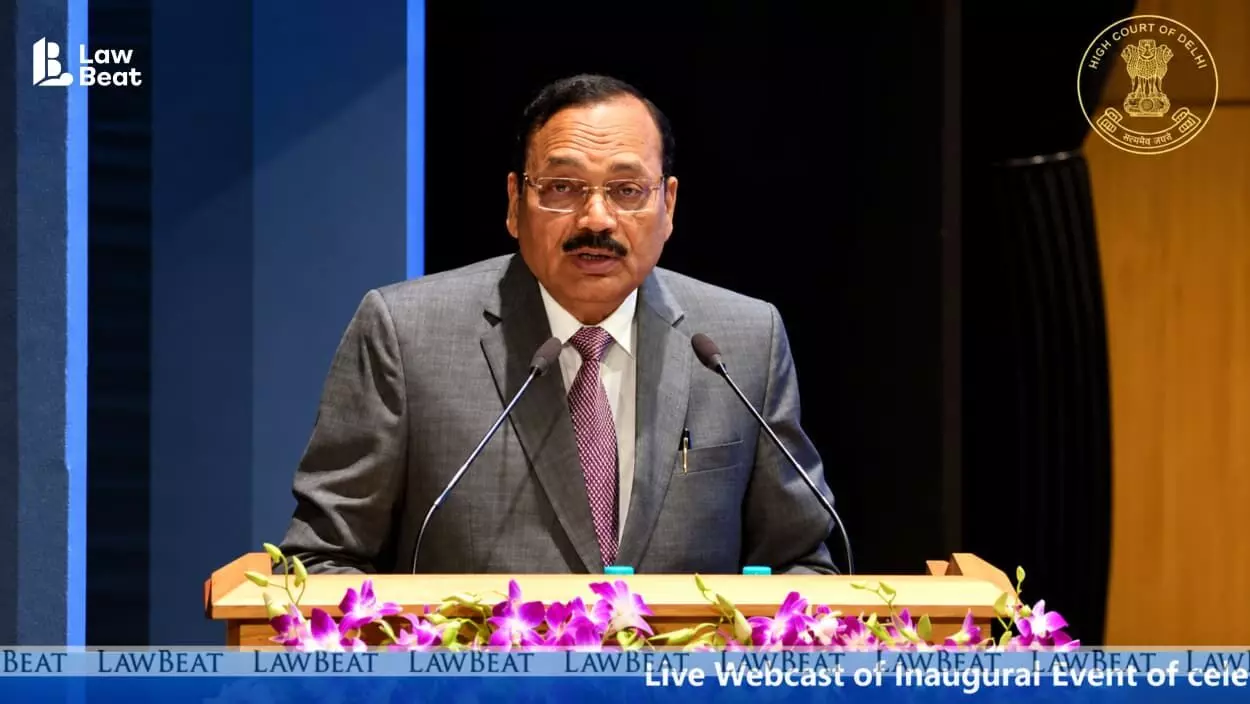
Chief Justice of India Surya Kant recently commended the Delhi High Court for its substantial contributions to civil and commercial jurisprudence, particularly noting its role in alleviating the Supreme Court's caseload. Speaking at the institution's 60th-anniversary celebration on October 30, 2026, the CJI emphasized that the Delhi High Court shoulders a "disproportionate burden" compared to other High Courts, frequently serving as an initial point of relief for litigants.
Justice Kant highlighted the unique relationship between the Supreme Court and the Delhi High Court, attributing it not merely to their geographical proximity but to the significant responsibilities the latter undertakes. He recounted instances where the Supreme Court advises counsel that the Delhi High Court is "just around the corner," suggesting that remedies might be found there before matters escalate to the apex court's docket.
Evolution and Institutional Strengths
Established in 1966, the Delhi High Court was envisioned as more than just another judicial body for a growing city. Its strategic location at the heart of India's political and administrative life meant it was destined to address complex issues concerning governmental authority, individual liberties, and public accountability, with its decisions often having national implications. Over six decades, these responsibilities have only expanded.
The court, which began with a modest four judges, has transformed into a robust institution capable of resolving an extraordinary range of complex disputes, reflecting Delhi's own rapid expansion in commerce and population. Its commitment to innovation is evident in initiatives such as the establishment of India's first High Court-annexed arbitration center in 2009, alongside its progressive adoption of electronic filing and digital processes. Furthermore, its distinctive ordinary original civil jurisdiction allows it to directly adjudicate significant civil and commercial disputes, positioning it at the forefront of complex commercial adjudication.
Specialized Expertise in Intellectual Property
A cornerstone of the Delhi High Court's reputation is its specialized Intellectual Property Division, which has garnered formidable recognition both domestically and internationally for the quality of its jurisprudence. This division's proficiency in navigating intricate and competing interests is expected to become even more crucial in the years ahead.
The Chief Justice expressed confidence in the court's continued capacity to successfully manage the evolving demands placed upon it, particularly in areas requiring specialized legal understanding and adjudication.
New Legal Frontiers: AI and Deepfakes
Looking to the future, Chief Justice Surya Kant specifically highlighted the emerging legal questions posed by AI-generated works and deepfakes, signaling a new frontier for judicial consideration. These technological advancements are presenting unprecedented challenges to the judiciary, necessitating careful deliberation and the development of new legal frameworks.
The court's established expertise in complex commercial and intellectual property matters positions it well to address the novel and intricate legal issues arising from these rapidly evolving digital domains.
Practical Implications
Lawyers should recognize the Delhi High Court's established capacity and efficiency in handling complex commercial and intellectual property disputes, potentially making it a strategic forum for clients. Furthermore, the CJI's explicit mention of AI-generated works and deepfakes signals an emerging area of legal challenge, requiring practitioners to anticipate new regulations, precedents, and compliance considerations in these rapidly evolving technological domains.
Source
How does this affect you?
Get an AI analysis of this article grounded in your jurisdictions, practice areas, and any policy documents you've uploaded to Wansom.
Finish Reading the Full Story and the Expert Analysis.
Wansom is AI and can make mistakes.