
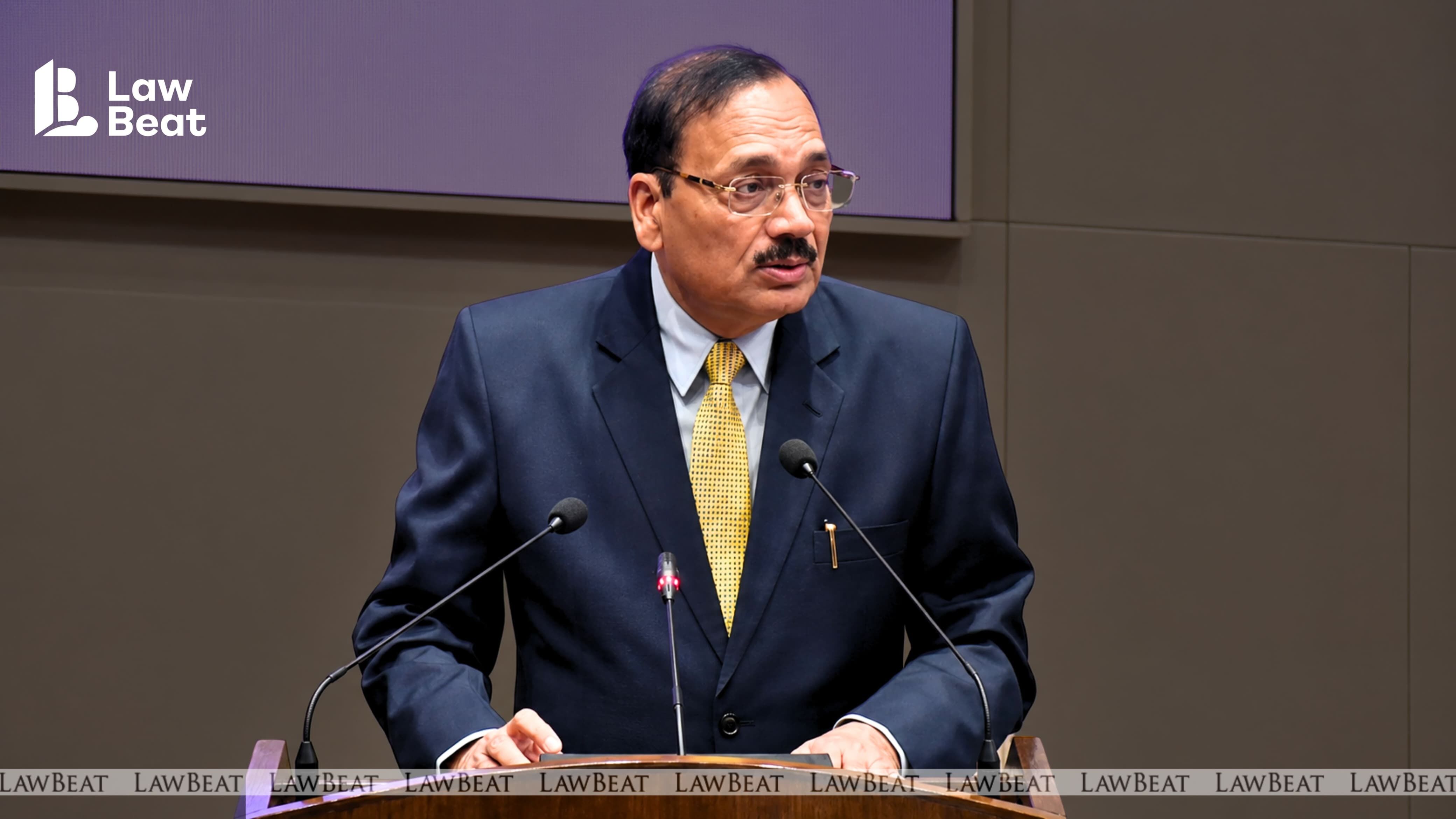
CJI Surya Kant: AI to Boost Indian Judiciary, Preserve Human Judgment
Summary
- Chief Justice Surya Kant stated that AI can augment judicial intelligence but cannot replace judicial conscience.
- He highlighted the Indian judiciary's digital transformation, including the e-Courts Mission Mode Project, which has improved accessibility and efficiency.
- Key AI initiatives include SUVAS, an AI-enabled translation platform, and Su Sahay, an AI-powered chatbot for court information.
- Technology is viewed as an instrument to help courts fulfill constitutional responsibilities, not an end in itself.
- The Chief Justice stressed that human wisdom, empathy, and reasoned decision-making remain essential for justice.
Digital Transformation in the Indian Judiciary
Artificial Intelligence may augment judicial intelligence, without replacing the judicial conscience.
Chief Justice Surya Kant recently articulated a clear vision for technology's role within the Indian judiciary, emphasizing its capacity to enhance judicial administration without ever supplanting the fundamental human elements of judgment and conscience. Delivering a keynote address titled "The Future of Justice Delivery: Innovation, Inclusion, and Integrity," the Chief Justice underscored that technological advancements derive their true value only when they actively promote inclusion and remain steadfastly anchored in integrity. He clarified that the judiciary's digital transformation over the past two decades has not been about adopting technology for its own sake, but rather to foster a more accessible, transparent, and responsive justice system for all stakeholders.
Reflecting on the profound changes, Justice Kant drew a stark contrast between his early days at the Bar in 1984, when physical cause lists were manually posted outside courtrooms, and the sophisticated digital ecosystem prevalent today. This modern landscape allows lawyers and litigants nationwide to monitor case listings and track live court proceedings directly from their mobile devices. A cornerstone of this evolution is the e-Courts Mission Mode Project India, which has fundamentally reshaped judicial administration through innovations such as e-filing, comprehensive digital case management, online access to court records, and the widespread adoption of video conferencing and virtual hearings.
The benefits of this digital shift extend across the entire legal ecosystem. Judges now experience reduced administrative burdens thanks to electronic records, while the National Judicial Data Grid (NJDG) provides real-time data on case pendency and disposal across various courts, enabling a more data-driven allocation of judicial resources. For the legal profession, advocates practicing in smaller towns, who once lacked access, can now utilize digital libraries, electronic databases, and advanced legal research tools previously exclusive to metropolitan centers. Ultimately, litigants are among the greatest beneficiaries, empowered to track their cases online, participate in virtual hearings, and access judicial services without the need for expensive and time-consuming travel. The growing prominence of online mediation further exemplifies this, as technology facilitates quicker, more convenient, and more affordable consensual dispute resolution by enabling parties in different locations to resolve disputes virtually.
Integrating AI with Judicial Conscience
While championing the extensive digital transformation, Chief Justice of India Surya Kant specifically addressed the integration of artificial intelligence (AI) within the Indian judiciary, reiterating that AI must serve as a supportive tool rather than a replacement for human judges. He firmly stated that AI can augment judicial intelligence but cannot, and should not, replace judicial conscience. The Chief Justice highlighted that while technology possesses remarkable speed in processing information, the essence of justice ultimately requires wisdom, empathy, and the exercise of reasoned human judgment. Therefore, any AI initiatives must remain subject to robust human oversight.
The Supreme Court has already introduced several AI-driven initiatives designed to enhance efficiency and accessibility. Among these is SUVAS, an AI-enabled translation platform that plays a crucial role in making judicial decisions available in multiple Indian languages, thereby broadening access to legal information. Another significant development is Su Sahay, the Supreme Court's AI-powered chatbot. This chatbot assists both litigants and lawyers by providing essential information on court procedures, filing requirements, and current case status, streamlining interactions with the judicial system.
Further demonstrating the commitment to digital consistency, the "One Case, One Data" initiative aims to establish a single, standardized digital record for every case. This ambitious project is intended to improve consistency across judicial processes and data management, ensuring a unified approach to case information. These initiatives collectively underscore the Indian Supreme Court AI initiatives' strategic focus on leveraging technology to support, rather than supersede, the human element in justice delivery.
Technology as a Constitutional Enabler
The overarching philosophy articulated by Chief Justice Surya Kant is that technology acts as a powerful instrument enabling courts to fulfill their constitutional responsibilities more effectively. He emphasized that the judiciary's embrace of technology is not an end in itself, but a means to achieve broader constitutional objectives. This perspective frames digital innovation as a critical component in ensuring that the justice system remains robust, accessible, and fair in a rapidly evolving world.
The Chief Justice's remarks highlight a strategic approach where the adoption of advanced technology, including AI, is meticulously balanced with the imperative to preserve human judgment, transparency, and judicial conscience at the very core of justice delivery. This ensures that while the Indian judiciary benefits from enhanced efficiency and reach, the fundamental principles of fairness, empathy, and reasoned decision-making remain paramount. The ongoing digital transformation, encompassing projects like the e-Courts Mission Mode Project India and specialized tools such as the SUVAS AI translation platform and the Su Sahay Supreme Court chatbot, collectively aims to strengthen the judiciary's capacity to serve its constitutional mandate, making justice more inclusive and responsive for every citizen.
Practical Implications
Lawyers and compliance officers should understand the Indian judiciary's ongoing digital transformation and AI integration, including tools like SUVAS and Su Sahay, to leverage these for efficient case management, legal research, and client advice, adapting to the evolving technological landscape of justice delivery.
Source
How does this affect your business?
Get an AI analysis of this article grounded in your jurisdictions, practice areas, and any policy documents you've uploaded to Wansom.
Wansom is AI and can make mistakes.