
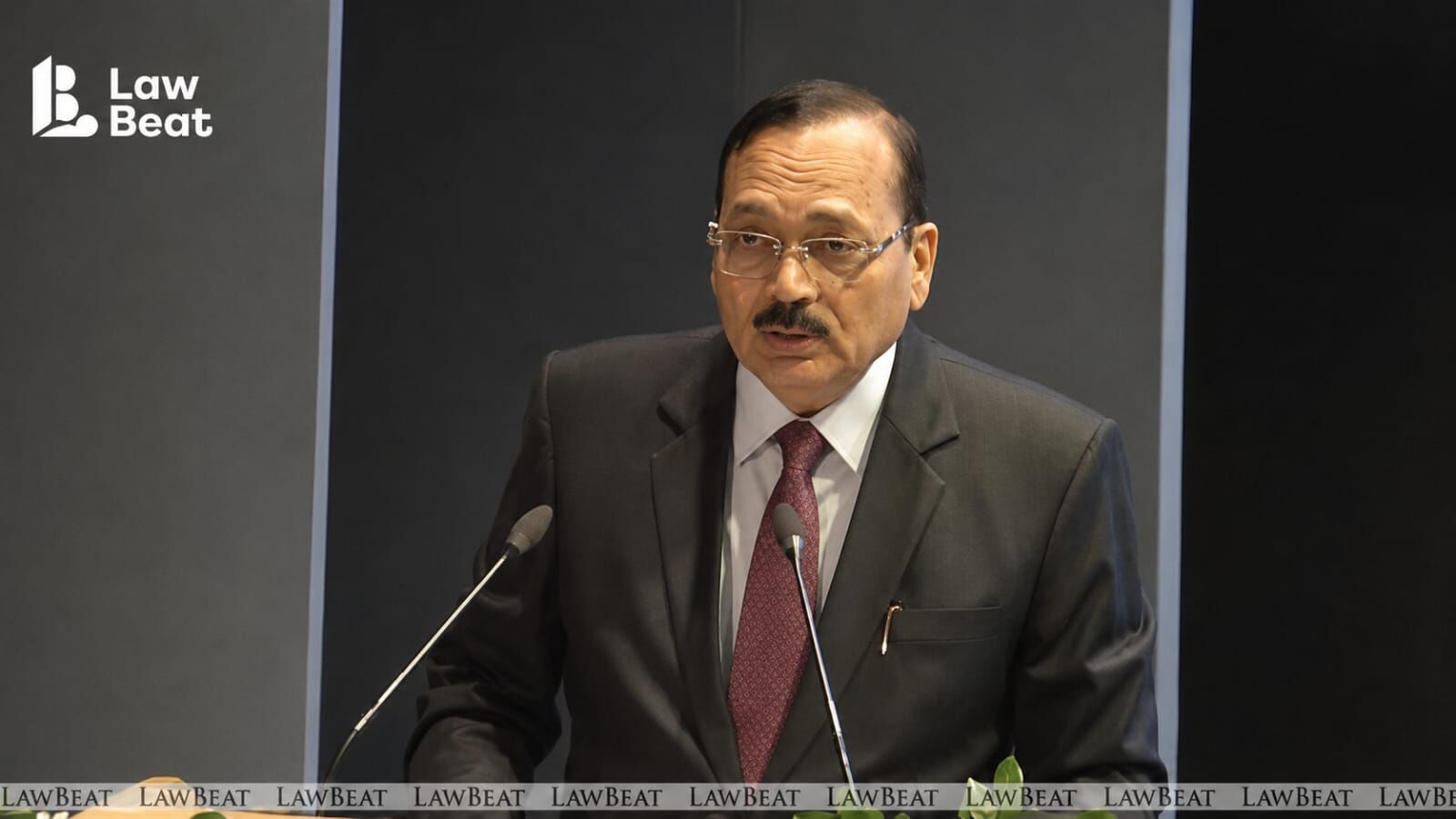
All India Chief Justice Surya Kant: Mediation Must Be First Resort Not Last
Summary
- Chief Justice of India Surya Kant advocates for mediation as a preferred method of dispute resolution.
- India has the potential to become a global hub for mediation, driven by judicial support and legislative reforms.
- The Mediation Act 2023 and Section 12A of the Commercial Courts Act mandate pre-litigation mediation for certain commercial disputes.
A New Era for Dispute Resolution in India
There is no reason why India cannot establish herself as a genuine centre of mediation for the global community,
Chief Justice of India Surya Kant has been a long-time advocate for mediation as a preferred method of dispute resolution. In recent years, he has been instrumental in shaping the country's ADR ecosystem through his judicial support and legislative reforms. The CJI's vision is to transform India into a global hub for mediation, where parties can resolve their disputes efficiently and effectively. This goal is not only driven by the need for a world-class dispute resolution system but also by the potential benefits of mediation in promoting legal harmony and reducing litigation. With the introduction of the Mediation Act 2023 and Section 12A of the Commercial Courts Act, India has taken significant strides towards making mediation a first resort for resolving disputes rather than a last resort after prolonged litigation.
The Power of Party Autonomy in Mediation
One of the key advantages of mediation is that it empowers parties to take control of their dispute resolution process. By allowing them to voluntarily negotiate and draft the terms of a resolution, mediation ensures that agreements are more likely to be honoured. This is reflected in decades of behavioural research showing that compliance with mediated settlements often exceeds 90 percent, significantly higher than compliance with adjudicated outcomes. The CJI has highlighted this distinction between litigation, arbitration, and mediation, noting that while litigation and arbitration primarily determine legal rights and liabilities, mediation enables parties to arrive at solutions they can genuinely live with and build upon.
India's Emerging Mediation Ecosystem
The CJI has been instrumental in transforming India's ADR ecosystem through his judicial support and legislative reforms. Modern mediation centres now operate with trained professionals, structured certification systems, encrypted digital records, case managers, and online dispute resolution platforms capable of facilitating cross-border settlements within hours. Emerging hybrid models such as Med-Arb-Med combine mediation and arbitration to deliver both consensual settlements and binding resolutions where necessary. The CJI has also highlighted the importance of party autonomy in mediation, noting that India's rapidly expanding economy requires a world-class dispute resolution ecosystem capable of handling sophisticated domestic and cross-border commercial disputes.
Practical Implications
Lawyers and compliance officers should take note of the emerging trend towards mediation as a first resort for dispute resolution in India, particularly with the introduction of the Mediation Act 2023 and Section 12A of the Commercial Courts Act, which mandate pre-litigation mediation for certain commercial disputes. This shift may impact their advice to clients on dispute resolution strategies.
Source
Source: Original reporting via [Source]
How does this affect your business?
Get an AI analysis of this article grounded in your jurisdictions, practice areas, and any policy documents you've uploaded to Wansom.
Wansom is AI and can make mistakes.