
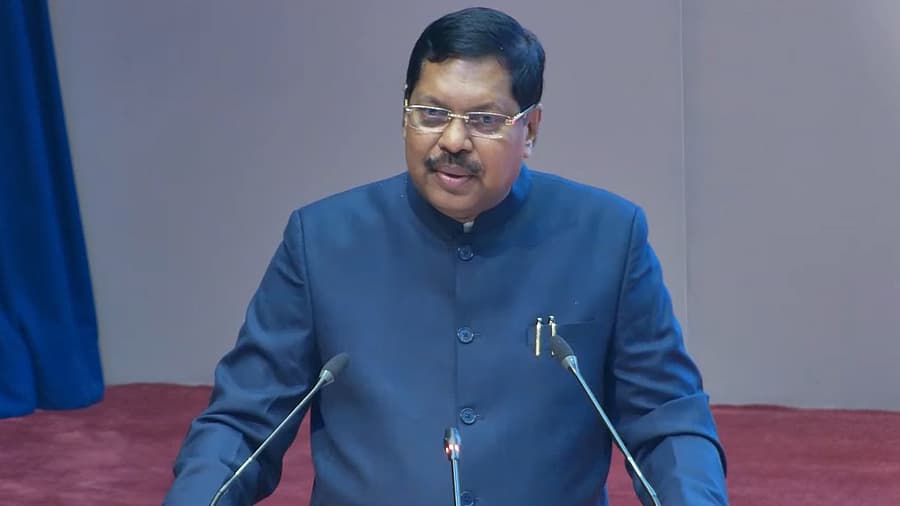
CJI Gavai Letter President: Bias in Judicial Appointments Alleged
Summary
- Former CJI BR Gavai wrote to President Droupadi Murmu on November 27, raising concerns about Supreme Court Collegium appointments.
- Gavai alleged that recent recommendations favor one particular community, compromising merit, diversity, and inclusivity.
- He stated that this unnamed community, comprising less than 5% of the population, holds over 40% representation in the Supreme Court, with recent increases.
- The former CJI noted that marginalized communities and even other forward communities are being excluded due to this favoritism.
- Gavai called for immediate remedial measures from all stakeholders to address the Collegium's functioning.
Allegations of Preferential Appointments
The former CJI highlighted a striking statistical disparity, noting that the community reportedly benefiting from these recommendations constitutes less than five percent of the nation's total population.
Former Chief Justice of India (CJI) BR Gavai recently addressed President Droupadi Murmu, expressing significant concerns regarding the process of judicial appointments and transfers within the Supreme Court Collegium. In a detailed three-page letter dated November 27, Gavai contended that the Collegium's recent recommendations exhibit a discernible bias, favoring a specific, unnamed community. This alleged preference, he argued, comes at the expense of crucial principles such as merit, diversity, and overall inclusivity in the judiciary.
The former CJI highlighted a striking statistical disparity, noting that the community reportedly benefiting from these recommendations constitutes less than five percent of the nation's total population. Despite this demographic reality, members of this particular group currently hold over forty percent of the positions within the Supreme Court. Gavai further pointed out that the representation of this community has seen a substantial increase in recent times. While acknowledging that this issue is not entirely new, he stressed that its persistence has rendered it increasingly "unforgivable," necessitating urgent attention.
Scrutiny of the Collegium System
CJI Gavai's communication to President Murmu directly questioned the operational integrity of the Supreme Court Collegium, suggesting that its current practices warrant immediate intervention. He explicitly called for all relevant stakeholders to implement prompt remedial measures to address the issues he raised. The letter articulated that candidates from a particular segment of society are consistently being favored for recommendation and elevation, leading to the exclusion of other deserving individuals. This includes not only marginalized communities but also members from other forward communities who do not belong to the identified "particular" group.
This critique underscores a broader debate surrounding judicial appointments in India, particularly concerning the Supreme Court Collegium appointments process. The former CJI's observations bring to the forefront the challenges in achieving a truly representative judiciary, a key aspect of judicial diversity in India. His concerns suggest that the current system may inadvertently be undermining the foundational principles of equitable representation and opportunity within the nation's highest court.
Implications for Diversity and Representation
The implications of the concerns raised by Former CJI BR Gavai extend significantly to the goal of achieving comprehensive community representation within India's judiciary. His letter detailed how the alleged favoritism leads to the systematic exclusion of candidates from various marginalized backgrounds. Specifically, he cited Scheduled Castes, Scheduled Tribes, Other Backward Classes, minorities, and women as groups whose representation is being compromised by the current appointment trends. This situation, he argued, creates a significant imbalance that could impact public trust and the perceived fairness of the judicial system.
Gavai clarified that his intention was not to oppose any specific section of society. Instead, his letter served as a critical examination of the appointment process itself, advocating for a system that genuinely upholds diversity and inclusivity. The former CJI emphasized that even individuals from forward communities, if they do not align with the favored group, are finding themselves overlooked. This broad impact highlights the systemic nature of the issue and its potential to hinder the development of a judiciary that truly reflects the diverse fabric of Indian society.
Practical Implications
Lawyers should monitor ongoing discussions and potential reforms regarding judicial appointments and diversity within the Supreme Court Collegium, as these debates reflect systemic concerns that could influence public trust in the judiciary and potentially impact future legal interpretations or advocacy strategies.
Source
How does this affect you?
Get an AI analysis of this article grounded in your jurisdictions, practice areas, and any policy documents you've uploaded to Wansom.
Finish Reading the Full Story and the Expert Analysis.
Get the latest legal & regulatory intelligence in India
Wansom is AI and can make mistakes.