
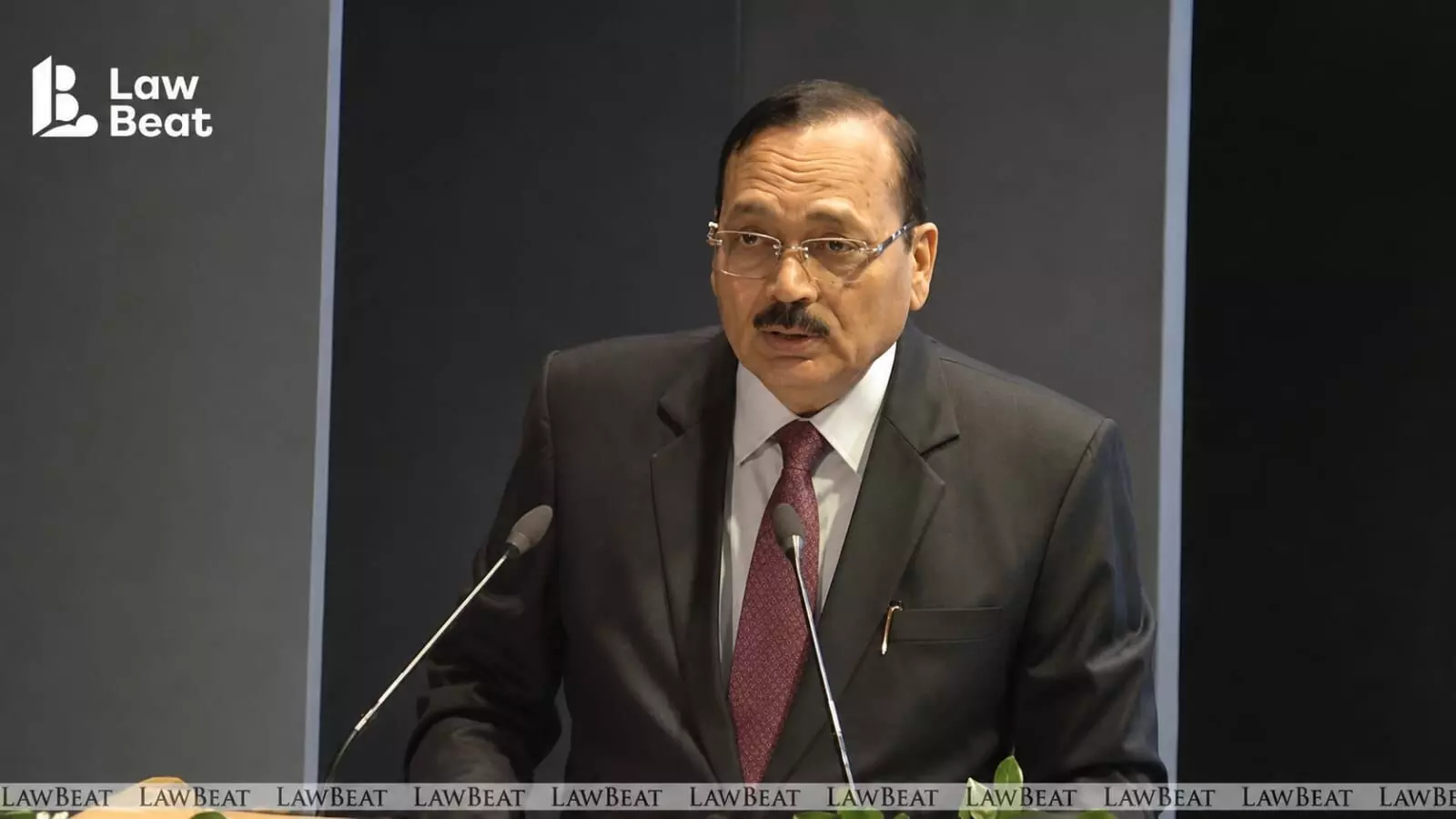
CJI Announces Permanent Disability Rights Committee for Advocates
Chief Justice of India (CJI) Surya Kant announced the establishment of a Supreme Court Permanent Committee on Disability Rights and directed the formation of panels of young lawyers and sign language interpreters specifically for advocates with disabilities.
This initiative marks a pivotal moment for inclusivity and accessibility within the Indian legal system, demonstrating a clear commitment from the highest court to dismantle barriers faced by legal professionals with disabilities. By creating dedicated resources and a permanent committee, the Supreme Court is not only addressing immediate needs but also laying a foundational framework for sustained efforts towards a more equitable legal fraternity. This move is expected to significantly enhance the participation and professional growth of advocates with disabilities, fostering a more diverse and representative legal landscape.
The legal significance of this announcement is profound, aligning with the spirit and provisions of the Rights of Persons with Disabilities Act, 2016, and constitutional guarantees of equality and non-discrimination. The CJI's mention of courts issuing 'continuing mandamus' where administrative delays deny persons with disabilities the benefits of laws underscores the judiciary's resolve to ensure effective implementation of disability rights, moving beyond mere legislative enactment to practical enforcement. This administrative action by the Supreme Court sets a powerful example for other judicial bodies and legal institutions across the country.
The key parties involved in this development are primarily Chief Justice of India Surya Kant and the Supreme Court of India, with the direct beneficiaries being advocates with disabilities. The establishment of these panels and committees reflects a broader institutional commitment to fostering an environment where disability is not a barrier to legal practice. This proactive measure is a testament to the evolving understanding of justice, which now explicitly includes equitable access and opportunity for all legal professionals.
Attorneys, particularly those with disabilities, should be aware of these newly established resources and committees, as they are designed to provide crucial support and facilitate their practice. Law firms, bar associations, and legal educational institutions should also take note, as this development may influence their own policies and practices regarding accessibility, reasonable accommodation, and diversity initiatives. This move by the Supreme Court could inspire similar initiatives in lower courts and other professional bodies, prompting a nationwide re-evaluation of accessibility standards within the legal profession.
How does this affect you?
Get an AI analysis of this article grounded in your jurisdictions, practice areas, and any policy documents you've uploaded to Wansom.
Finish Reading the Full Story and the Expert Analysis.
Get the latest legal & regulatory intelligence in India
Wansom is AI and can make mistakes.