
City Boy Movement: PVC Data Collection in Nigeria Sparks Controversy
Summary
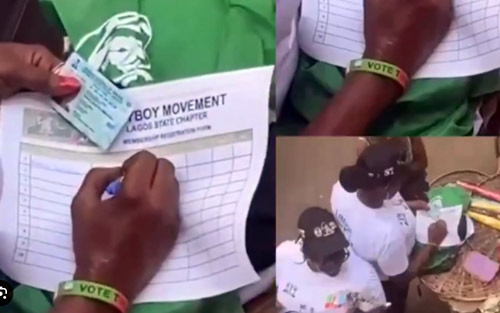
- A viral video allegedly shows members of the City Boy Movement collecting information from traders' Permanent Voter Cards (PVCs).
- The alleged data collection occurred at a Lagos market ahead of the 2027 general elections.
- Individuals in the video were reportedly wearing white T-shirts and caps.
- The incident has sparked controversy and raised concerns about voter data protection and potential electoral law violations.
- The alleged directive for the activity was stated as: "We Must Have The Data For Our Wards And Polling Units."
Allegations of PVC Data Collection Emerge
The alleged activity has swiftly drawn public scrutiny, sparking widespread controversy.
A recent viral video has ignited significant debate concerning voter data protection in Nigeria, particularly in the lead-up to the 2027 general elections. The footage purportedly depicts individuals, identified as members of the City Boy Movement, actively gathering sensitive information from Permanent Voter Cards (PVCs) belonging to traders within a bustling Lagos market. These individuals were visibly identifiable by their matching white T-shirts and caps, suggesting an organized effort.
The alleged activity has swiftly drawn public scrutiny, sparking widespread controversy. The core of the concern revolves around the collection of personal voter data, which is critical for maintaining the integrity of the electoral process. The timing of this incident, occurring well in advance of the next national elections, amplifies questions about the motivations behind such data acquisition efforts by political groups.
Reports indicate that the individuals involved in the alleged data collection were operating under the directive, "We Must Have The Data For Our Wards And Polling Units." This statement, which has been widely circulated, suggests a deliberate strategy by the City Boy Movement to compile voter information at a granular level. The incident underscores the growing focus on how political entities manage and utilize voter data in their mobilization strategies.
Legal and Regulatory Scrutiny
The controversy surrounding the City Boy Movement's alleged PVC data collection has brought to the forefront critical questions regarding compliance with Nigeria's electoral laws and data protection regulations. Concerns have been raised about potential violations of existing legal frameworks designed to safeguard voter information and ensure fair political mobilization. The incident highlights the need for strict adherence to established guidelines for handling sensitive personal data, especially within the political sphere.
Such activities prompt a closer examination of the provisions within the Electoral Act 2022 and the Nigeria Data Protection Act 2023, which, along with its General Application and Implementation Directive 2025, now govern how political campaigns and electoral bodies can collect, store, and use voter data. Unauthorized or improperly obtained voter data could undermine public trust in the electoral system and potentially lead to unfair advantages. The incident serves as a reminder that all political actors must operate within the bounds of the law when engaging with the electorate and their personal information.
Implications for 2027 Elections
The alleged collection of PVC data by the City Boy Movement carries significant implications for the integrity and fairness of the upcoming 2027 general elections. The incident has intensified the conversation around voter data protection, emphasizing the vulnerability of personal electoral information to misuse. Public confidence in the electoral process hinges on the assurance that voter data is handled securely and ethically, free from unauthorized access or exploitation by political organizations.
This event underscores the critical importance of transparency and accountability in political campaigning, particularly concerning data ethics. As Nigeria prepares for its next electoral cycle, the scrutiny on how political groups gather and utilize voter information will only intensify. Ensuring strict compliance with data protection laws and electoral guidelines is paramount to fostering a credible and equitable democratic environment, safeguarding against practices that could be perceived as manipulative or illegal.
Practical Implications
Lawyers advising political campaigns or electoral bodies in Nigeria should review the Electoral Act 2022 and relevant data protection regulations to ensure strict compliance with voter data collection practices, given the public scrutiny on alleged unauthorized PVC data gathering. This incident highlights potential legal risks for parties failing to adhere to data privacy laws during political mobilization.
Source
How does this affect you?
Get an AI analysis of this article grounded in your jurisdictions, practice areas, and any policy documents you've uploaded to Wansom.
Finish Reading the Full Story and the Expert Analysis.
Get the latest legal & regulatory intelligence in Nigeria
Wansom is AI and can make mistakes.