
Cité Belle Vue Floods Victim Lawsuit: Victims Demand Reparations
Summary
- Flooding in Cité Belle Vue in early October affected 66 villas and 6 buildings, causing extensive material damage estimated at hundreds of millions of CFA francs.
- Residents attribute the disaster to the discharge of rainwater and wastewater, rejecting claims that the community was built on a waterway.
- A collective of victims, represented by Me Alassane Seck, is demanding definitive solutions, financial reparations, and a secure living environment from the State.
- The incident revives memories of previous severe floods in 2005 and 2022, highlighting a recurring problem of inadequate infrastructure.
- This collective action underscores a growing trend of citizens demanding accountability from public authorities for recurring infrastructure failures and seeking reparations.
Devastating Floods Strike Cité Belle Vue
The formation of this collective and their pursuit of a Cité Belle Vue floods victim lawsuit underscores a growing trend of citizens demanding accountability and definitive solutions from public authorities for recurring infrastructure failures.
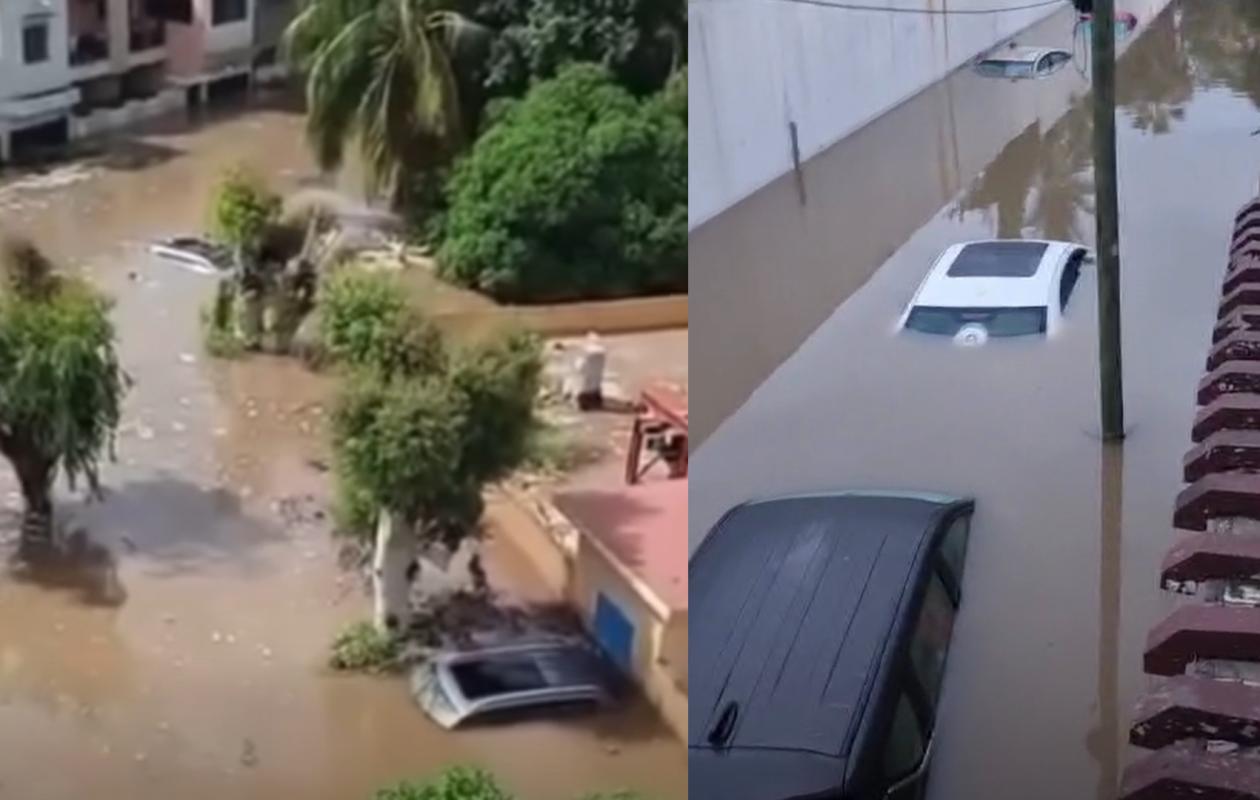
In early October, the residential area of Cité Belle Vue experienced severe overnight flooding, with waters rising around 3 AM. This catastrophic event impacted 66 villas and 6 multi-story buildings, causing widespread destruction. Residents attribute the inundation to the uncontrolled discharge of both rainwater and wastewater directly into their neighborhood, leading to significant material losses and posing serious health risks.
The damage assessment reveals substantial destruction to personal property, including vehicles, household furniture, and various electrical appliances. Additionally, the force of the floodwaters caused a wall within the community to collapse. While no fatalities or injuries were reported, the timing of the flood, occurring in the dead of night, narrowly averted a potentially worse outcome for vulnerable residents, including infants in the two local nurseries and elderly individuals living in their homes.
Victims Demand Accountability and Reparations
Following the devastating incident, a collective of victims from Cité Belle Vue has emerged, seeking justice and redress. This group, represented by legal counsel Me Alassane Seck, has provisionally estimated the material losses at several hundred million CFA francs. The collective has publicly challenged statements made by an official from the National Office of Sanitation of Senegal (ONAS), who suggested the cité was constructed on a natural waterway, asserting that the floods are a direct consequence of inadequate infrastructure management.
During a press conference, the victims directly appealed to the State, articulating clear demands for definitive solutions to prevent future occurrences, comprehensive financial reparations for their losses, and measures to secure their living environment. The formation of this collective and their pursuit of a Cité Belle Vue floods victim lawsuit underscores a growing trend of citizens demanding accountability and definitive solutions from public authorities for recurring infrastructure failures. They have explicitly stated their refusal to remain silent in the face of repeated damages, signaling a determined stance for change.
Recurring Crisis and State Responsibility
The recent flooding in Cité Belle Vue is not an isolated incident but rather a painful reminder of past disasters. Residents recall similar severe inondations Cité Belle Vue Sénégal in both 2005 and 2022, during which water levels reached as high as 1.80 meters. This history of recurring floods highlights a systemic issue, prompting residents to question the long-term efficacy of existing urban planning and sanitation infrastructure.
The repeated nature of these events brings into sharp focus the question of responsabilité État inondations and the potential liability of public entities like ONAS. The alleged failure to manage rainwater and wastewater effectively, leading to significant ONAS Cité Belle Vue damages, forms the core of the residents' grievances. This ongoing challenge points to a critical need for robust, preventative measures and a re-evaluation of how public services address environmental risks in urban areas.
Implications for Collective Action and Legal Precedent
The collective action flood victims are undertaking in Cité Belle Vue represents a significant development in Senegal's legal landscape. Their organized efforts, spearheaded by Me Alassane Seck victims representation, could establish important precedents for future cases where communities seek reparations inondations Sénégal and accountability from governmental bodies for infrastructure deficiencies. This case highlights the increasing willingness of affected populations to pursue legal avenues when faced with repeated damages and perceived governmental inaction.
This situation underscores a broader trend where citizens are leveraging collective legal action to challenge administrative decisions and demand better governance in urban development and environmental protection. The outcome of this pursuit for reparations and definitive solutions will be closely watched, potentially influencing how similar disputes are handled across the nation and reinforcing the importance of robust legal frameworks for state and public entity accountability.
Practical Implications
This case highlights a growing trend of collective legal action against the State and public entities like ONAS for damages caused by infrastructure failures and inadequate urban planning. Lawyers should monitor this development for precedents regarding state liability and the potential for increased litigation in environmental and administrative law in Senegal.
Source
How does this affect you?
Get an AI analysis of this article grounded in your jurisdictions, practice areas, and any policy documents you've uploaded to Wansom.
Finish Reading the Full Story and the Expert Analysis.
Wansom is AI and can make mistakes.