
China Implements Zero-Tariff Policy for South Sudanese Products
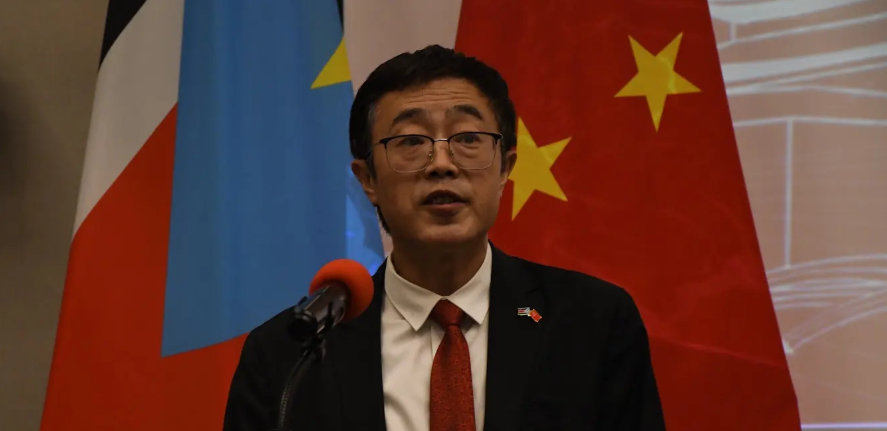
China expanded its zero-tariff policy for African countries, effective May 1, allowing more South Sudanese products to enter the Chinese market tariff-free, as announced by Chinese Ambassador Ma Qiang in Juba. This policy, which covers 100% of tariff lines for all African countries with which China has diplomatic relations, aims to create new opportunities for South Sudanese products and is part of China's broader efforts to promote high-quality Belt and Road cooperation with African nations.
This policy change holds significant legal and economic significance for South Sudanese businesses and the national economy. By removing tariff barriers, it directly reduces the cost of exporting goods to China, potentially boosting South Sudan's nascent non-oil sectors and diversifying its economy away from its heavy reliance on oil. For legal practitioners, this means advising clients on the specific requirements for accessing the Chinese market under these new terms, including stringent rules of origin, product standards, and customs procedures. It also highlights the growing importance of international trade law, bilateral agreements, and compliance frameworks in facilitating economic development and market access.
The legal context for this expanded zero-tariff policy operates within the framework of international trade law and the bilateral diplomatic relations between China and South Sudan. While the excerpt does not cite specific treaties, it refers to China's existing "zero-tariff arrangements" and the critical requirement for goods to meet "relevant rules of origin and other import requirements." These are standard components of preferential trade schemes and international trade agreements. South Sudan, as a least-developed country (LDC), was already among 33 African nations benefiting from some of China's zero-tariff arrangements. The latest measures extend this treatment to 20 additional African countries not classified as LDCs, for an initial two-year period, broadening the scope of preferential trade and indicating a strategic shift in China's trade policy with the continent.
The key parties involved in this trade development are the People's Republic of China, the Republic of South Sudan, and specifically Chinese Ambassador Ma Qiang, who made the announcement. The primary beneficiaries are South Sudanese businesses and exporters, who now have enhanced access to China's vast market. The policy is also framed within the context of China's "Belt and Road cooperation," indicating a broader strategic economic initiative that involves various Chinese state entities and South Sudanese government bodies responsible for trade and economic development.
Practitioners advising South Sudanese businesses, particularly those in export-oriented sectors, should immediately familiarize themselves with the specifics of China's expanded zero-tariff policy. This includes a thorough understanding of the "rules of origin" requirements, product eligibility criteria, and the necessary documentation for customs clearance in China. Attorneys should guide clients on market entry strategies, potential compliance issues related to product quality and safety standards, and how to effectively leverage these new trade preferences to access the Chinese market. This may involve assisting with trade finance, logistics legalities, and navigating the regulatory landscape to maximize the benefits of this significant economic opportunity.
How does this affect you?
Get an AI analysis of this article grounded in your jurisdictions, practice areas, and any policy documents you've uploaded to Wansom.
Finish Reading the Full Story and the Expert Analysis.
Get the latest legal & regulatory intelligence in South Sudan
Wansom is AI and can make mistakes.