
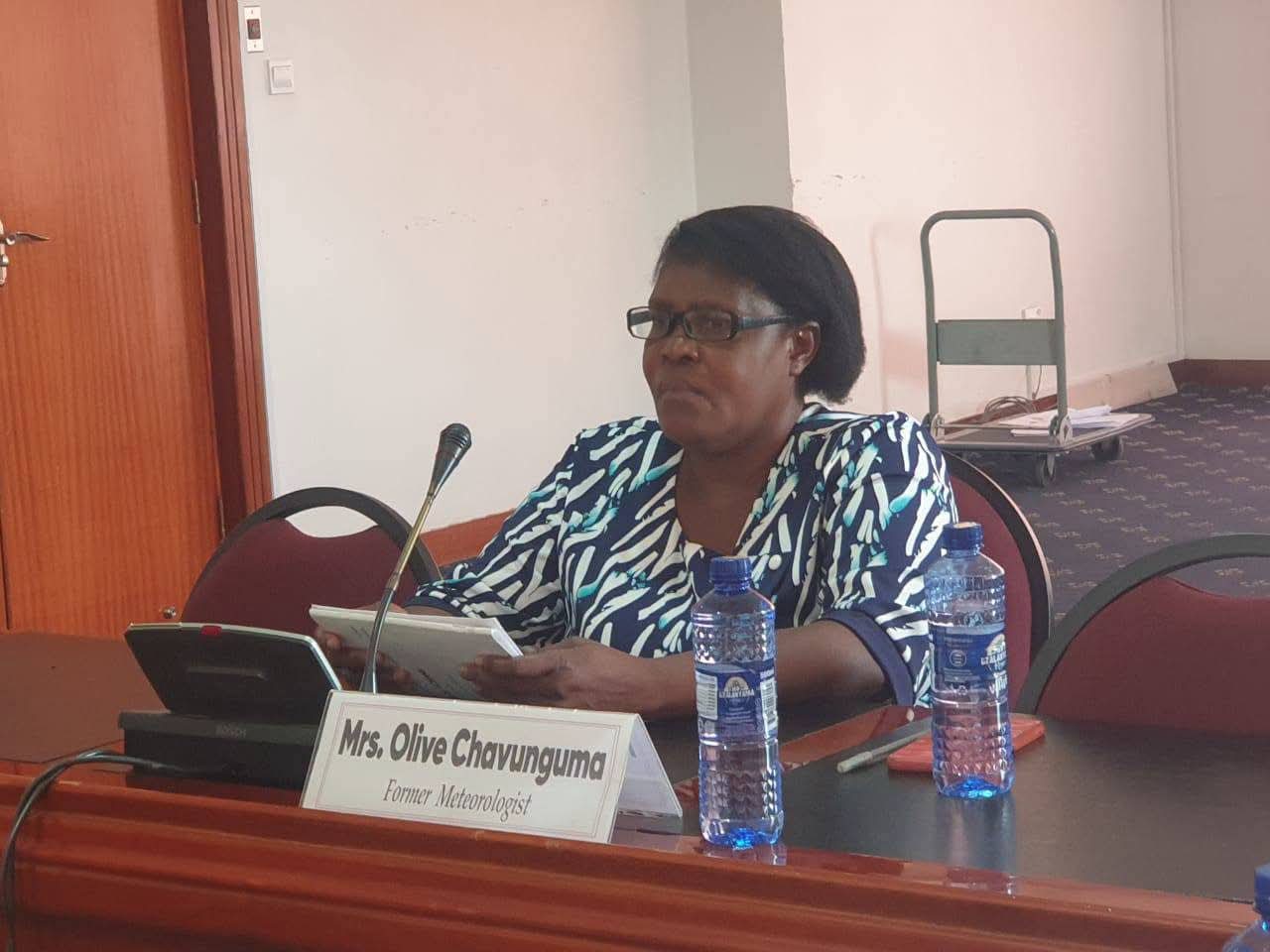
Malawi Inquiry: Chilima Fatal Flight Mzuzu Weather Was Hazardous
Summary
- A former Mzuzu weather chief, Olive Chavunguma, testified to a parliamentary committee investigating the Chikangawa plane crash.
- She confirmed that weather conditions at Mzuzu Airport on the morning of the fatal flight were dangerous for aircraft movements.
- Chavunguma highlighted that visibility at Mzuzu Airport was a critical factor contributing to these hazardous conditions.
- Her testimony is crucial for the parliamentary inquiry into the Chilima fatal flight, examining all aspects of the incident.
Critical Weather Testimony Emerges
Her statements are central to understanding the environmental factors surrounding the tragic incident, which has prompted a high-level parliamentary review.
A former senior official from the Mzuzu Climate Change and Meteorological Station has provided significant testimony to the Parliamentary Ad-Hoc Committee, which is currently investigating the Chikangawa plane crash. Olive Chavunguma, who previously served as the officer in charge at the station, informed the inquiry that the atmospheric conditions on the morning of the fatal flight were unequivocally hazardous for aviation activities. Her statements are central to understanding the environmental factors surrounding the tragic incident, which has prompted a high-level parliamentary review.
Chavunguma's testimony specifically addressed the conditions at Mzuzu Airport, emphasizing that visibility was a key concern. She characterized the overall weather situation as dangerous for aircraft movements, directly linking the prevailing meteorological circumstances to the safety of flight operations. This expert account from a seasoned weather professional underscores the potential role of adverse weather in the events leading to the crash, providing the committee with crucial data points for their ongoing investigation into the Chilima fatal flight Mzuzu weather inquiry.
Parliamentary Inquiry's Focus
The Parliamentary Ad-Hoc Committee is tasked with a comprehensive investigation into the Chikangawa plane crash, an incident that has drawn national attention and calls for accountability. The committee's mandate includes scrutinizing all aspects surrounding the flight, from operational procedures to environmental conditions, making expert meteorological testimony like that provided by Olive Chavunguma indispensable. Her insights into the Mzuzu Airport visibility conditions offer a critical piece of the puzzle, helping the Malawi parliamentary inquiry Chilima to reconstruct the events and identify contributing factors.
This inquiry represents a significant effort by the Malawian legislature to understand the circumstances of the crash and to potentially recommend measures to prevent similar tragedies in the future. The detailed examination of weather data and its interpretation by aviation personnel is a standard, yet vital, component of any serious accident investigation. The former weather chief's direct assessment of the conditions as 'dangerous' provides a strong foundation for the committee's deliberations regarding flight safety protocols and decision-making processes on the day of the incident.
Legal and Regulatory Implications
The testimony regarding dangerous weather conditions carries substantial legal and regulatory implications, particularly for aviation accident litigation and compliance in Malawi. The characterization of conditions as 'dangerous' by an expert like Olive Chavunguma can be pivotal in assessing liability, especially concerning whether appropriate flight safety protocols were observed or if meteorological data was adequately interpreted and acted upon. Such evidence is crucial for legal professionals analyzing the adherence to established aviation regulations and the standard of care expected from flight operators and air traffic control.
Furthermore, the findings from this Chikangawa plane crash inquiry could influence future regulatory frameworks and operational guidelines for flights within Malawi, especially concerning operations in challenging weather. The emphasis on Mzuzu Airport visibility conditions highlights the need for robust meteorological reporting and decision-making matrices for pilots and ground control. This testimony serves as a stark reminder of the critical intersection between environmental science, aviation safety, and legal accountability, underscoring the importance of precise meteorological data in preventing aviation disasters.
Why This Testimony Matters
The former weather chief's testimony is critical because it directly addresses a fundamental aspect of aviation safety: the impact of environmental conditions on flight operations. By confirming that the weather was dangerous for aircraft movements, Olive Chavunguma's Mzuzu testimony provides a factual basis for further investigation into whether the flight should have proceeded under such circumstances. This information is vital for the Parliamentary Ad-Hoc Committee as it seeks to understand the chain of events that led to the fatal crash and to ensure transparency and accountability.
This expert account not only informs the current inquiry but also serves as a crucial reference point for future aviation safety discussions and policy formulation in Malawi. The detailed examination of the Chilima fatal flight Mzuzu weather inquiry, particularly concerning visibility and overall atmospheric conditions, will undoubtedly contribute to a more comprehensive understanding of aviation risks. It reinforces the paramount importance of accurate and timely meteorological assessments in safeguarding lives and upholding the highest standards of air travel safety.
Practical Implications
This testimony on dangerous weather conditions is critical for legal professionals involved in aviation accident litigation or regulatory compliance in Malawi, particularly concerning liability assessments related to flight safety protocols and the interpretation of meteorological data in accident investigations.
Source
How does this affect you?
Get an AI analysis of this article grounded in your jurisdictions, practice areas, and any policy documents you've uploaded to Wansom.
Finish this article free. Just your email for instant unlock.
Wansom is AI and can make mistakes.