
Chiinda: Not Petitioning Munali Results Despite Election Allegations
Summary
- Chrispin Chiinda, a parliamentary candidate for Munali, has decided against petitioning the results of the August 13, 2026 election.
- This decision follows his public allegations of voter intimidation, violence, and irregularities concerning Gen 20 forms during the electoral process.
- Chiinda communicated his choice not to pursue a legal challenge in a public statement.
- The absence of a formal petition means the alleged electoral malpractices in Munali will not undergo judicial review.
- This development highlights how practical hurdles or strategic decisions can prevent election challenges, even when grounds appear to exist.
The Decision Not to Petition
This development signals that despite allegations of significant irregularities and violence, a formal election petition for Munali will not proceed.
Chrispin Chiinda, who stood as a parliamentary candidate for the Munali constituency, has publicly announced his decision not to challenge the outcome of the election held on August 13, 2026. This announcement comes despite a series of serious allegations made by Chiinda concerning the electoral process in Munali. His decision means that the results for the Munali parliamentary seat will stand without a formal legal challenge, a significant development given the nature of the claims.
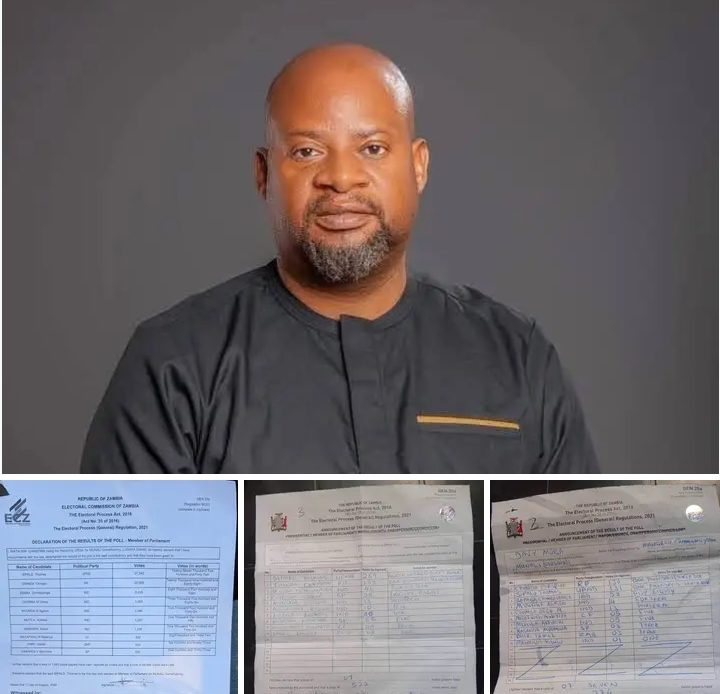
Chiinda's statement detailed several concerns that, under normal circumstances, might form the basis of an election petition. These included claims of widespread voter intimidation, instances of violence during the electoral period, and significant irregularities observed in the handling of the critical Gen 20 forms. These forms are fundamental to the transparent tabulation and verification of votes in Zambian elections, making any alleged mishandling a serious matter for electoral integrity.
The choice by Chiinda not to pursue a petition for the Munali results effectively closes the door on a judicial review of these alleged electoral malpractices. This stance, communicated via a public statement, highlights a strategic or practical decision taken by the candidate, even in the face of what he describes as substantial grounds for a challenge. The implications of Chiinda not petitioning Munali results extend beyond his individual campaign, touching upon broader aspects of electoral dispute resolution in Zambia.
Allegations of Electoral Misconduct
The specific allegations raised by Chrispin Chiinda paint a concerning picture of the electoral environment in Munali during the August 13, 2026 parliamentary election. Claims of voter intimidation suggest that electors may have been unduly influenced or discouraged from exercising their democratic right freely. Such actions, if substantiated, undermine the fundamental principle of free and fair elections, potentially altering voter behavior and, consequently, election outcomes.
Furthermore, Chiinda reported instances of violence, which can create an atmosphere of fear and insecurity, deterring participation and compromising the integrity of the polling process. Violence during elections is a grave concern in any democratic system, as it directly threatens the safety of voters, candidates, and election officials alike. These Munali parliamentary irregularities, if left unaddressed through formal channels, could set a precedent for future electoral contests.
Central to Chiinda's concerns were irregularities in the handling of Gen 20 forms. These forms are crucial documents in the Zambian electoral process, serving as primary records of votes cast at each polling station. Proper management and accurate completion of Gen 20 forms Zambian elections are essential for ensuring that the final results accurately reflect the will of the electorate. Any alleged mishandling, such as tampering, misplacement, or incorrect completion, could cast doubt on the veracity of the declared results and fuel Zambia election petition allegations.
Legal and Strategic Implications
The decision by Chrispin Chiinda not to petition the Munali election results, despite detailing significant allegations of voter intimidation, violence, and irregularities with Gen 20 forms, carries notable implications for Zambian election dispute law. This development signals that despite allegations of significant irregularities and violence, a formal election petition for Munali will not proceed. For legal practitioners advising on Zambian election law, this case underscores the reality that even when seemingly strong grounds for a challenge exist, various practical hurdles or strategic decisions can ultimately prevent such petitions from being filed or pursued.
This situation prompts a deeper consideration of the factors that might lead a candidate to forgo a legal challenge, even when public statements indicate a belief in electoral misconduct. Such factors could range from the perceived financial burden of litigation, the time commitment involved, or an assessment of the likelihood of success within the existing legal framework. The absence of a petition means that the specific details of the alleged voter intimidation, violence, and Gen 20 form irregularities will not be subjected to judicial scrutiny, thereby limiting the opportunity for a court to make findings on these matters.
Consequently, the outcome of the August 13, 2026 election in Munali remains unchallenged through the formal legal channels designed for electoral disputes. This highlights a critical aspect of electoral justice: the onus is often on the aggrieved party to initiate and pursue legal recourse. Chiinda's choice, while personal, offers a case study for understanding the complex interplay between alleged electoral malpractices and the practicalities of seeking redress under Zambian election dispute law.
Practical Implications
This development signals that despite allegations of significant irregularities and violence, a formal election petition for Munali will not proceed. Lawyers advising on Zambian election law should note the practical hurdles or strategic decisions that can prevent such challenges, even when grounds appear to exist, informing future advice on petition viability.
Source
How does this affect you?
Get an AI analysis of this article grounded in your jurisdictions, practice areas, and any policy documents you've uploaded to Wansom.
Finish Reading the Full Story and the Expert Analysis.
Wansom is AI and can make mistakes.