
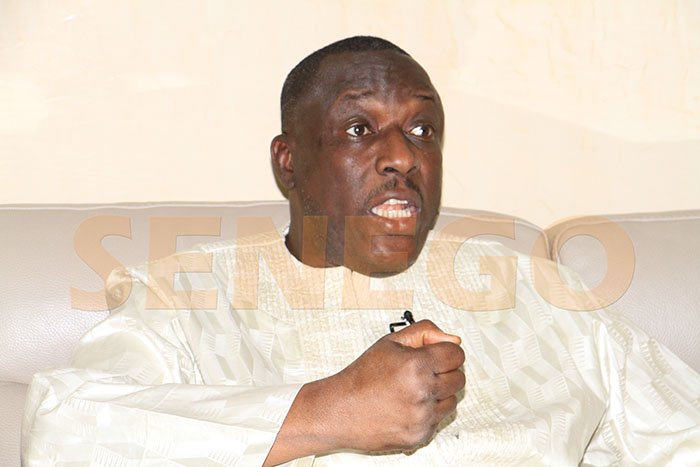
Sénégal: Cheikh Oumar Anne Refus Commission Parlementaire
Summary
- Cheikh Oumar Anne, a deputy, Mayor of Ndioum, and former minister, declined to appear before a parliamentary inquiry commission.
- The commission is investigating the "Un étudiant, un ordinateur" program, with Anne's hearing scheduled for October 16, 2026.
- Anne cited "reasons of principle and decency" in his October 12 letter as justification for his non-compliance.
- He further characterized the commission as a "tool for political score-settling."
- This refusal raises questions about parliamentary oversight and the legal obligations of individuals summoned in Senegal.
The Refusal to Appear
This strong accusation frames his refusal not merely as a personal choice but as a principled stand against what he perceives as a politically motivated exercise.
Cheikh Oumar Anne, who currently serves as a deputy at the National Assembly, the Mayor of Ndioum, and previously held a ministerial portfolio, has formally declined an invitation to appear before a parliamentary inquiry commission. The commission, established by the Senegalese legislature, is tasked with investigating the "Un étudiant, un ordinateur" program. Anne's scheduled appearance was set for Friday, October 16, 2026.
His decision was communicated through a letter dated October 12, just days before the anticipated hearing. This refusal marks a significant development in the ongoing parliamentary scrutiny of the "Un étudiant, un ordinateur" initiative, which has drawn considerable attention. The commission's mandate involves examining various aspects of the program, and the summons to prominent figures like Anne indicates the breadth of its investigation.
Stated Justifications and Allegations
In his communication, Cheikh Oumar Anne articulated his reasons for non-compliance, citing "reasons of principle and decency." This justification suggests a fundamental disagreement with the nature or conduct of the parliamentary inquiry itself, rather than an inability to attend. His stance implies a deeper critique of the commission's legitimacy or its operational framework.
Furthermore, the former minister has characterized the parliamentary inquiry commission as an "outil de règlement de comptes politiques," or a tool for political score-settling. This strong accusation frames his refusal not merely as a personal choice but as a principled stand against what he perceives as a politically motivated exercise. Such a characterization raises questions about the impartiality and true objectives of the Sénégal commission d'enquête audition.
This perspective introduces a critical dimension to the Refus comparution parlementaire Sénégal, moving beyond a simple non-attendance to a challenge of the institution's integrity. The implications of such a public declaration by a high-profile individual like Anne could influence public perception and set a precedent for how future parliamentary summons are received and responded to within the Droit parlementaire sénégalais.
Broader Implications for Parliamentary Oversight
The refusal by Cheikh Oumar Anne to testify before the commission investigating the Programme Un étudiant un ordinateur enquête highlights a complex interplay between executive accountability and parliamentary oversight in Senegal. While parliamentary commissions are designed to ensure transparency and good governance, challenges to their authority, especially on grounds of political motivation, can test the boundaries of their powers.
This incident could establish a significant precedent regarding the obligations of individuals, particularly former government officials, when summoned by legislative bodies. The Droit parlementaire sénégalais outlines the powers and procedures for such inquiries, and Anne's explicit refusal, coupled with his strong justification, will likely spark debate on the legal and ethical parameters of non-compliance. The outcome of this situation may influence how future Sénégal commission d'enquête audition proceedings are conducted and how individuals respond to them.
The broader implications extend to the public's trust in governmental institutions and the mechanisms of accountability. When a prominent figure like Anne openly challenges the legitimacy of a parliamentary inquiry, it can either reinforce calls for greater transparency in such commissions or, conversely, undermine their perceived effectiveness as instruments of oversight. This case, centered on the Cheikh Oumar Anne refus commission parlementaire, therefore carries weight beyond the specific investigation into the "Un étudiant, un ordinateur" program.
Practical Implications
This case underscores the legal considerations for individuals summoned before Senegalese parliamentary inquiry commissions, particularly regarding the grounds for refusing to appear. Lawyers should monitor the legal challenges and precedents set by such refusals to advise clients on their obligations and potential defenses.
Source
How does this affect you?
Get an AI analysis of this article grounded in your jurisdictions, practice areas, and any policy documents you've uploaded to Wansom.
Finish Reading the Full Story and the Expert Analysis.
Get the latest legal & regulatory intelligence in Senegal
Wansom is AI and can make mistakes.