
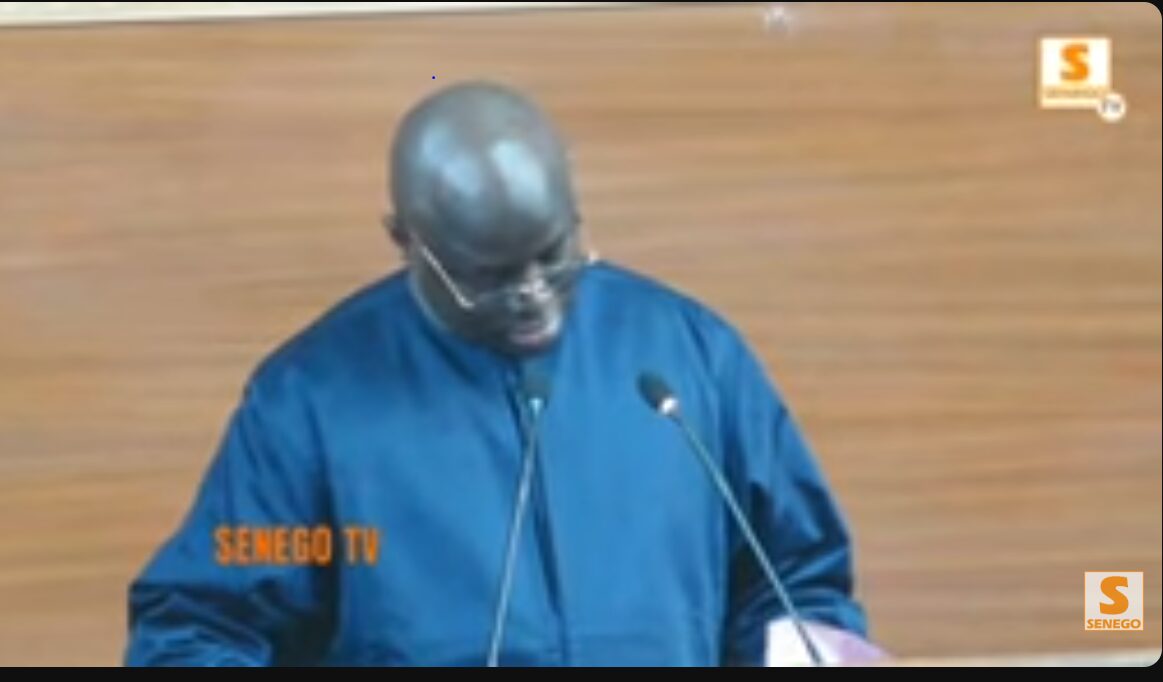
Cheikh Diba: Senegal 2027 Budget Part 1 Rejected Despite Appeal
Summary
- Cheikh Diba, Senegal's Minister of Economy, Finance, and Planning, appealed to parliamentary majority deputies for support of the 2027 budget.
- The appeal was made during the National Assembly's examination of the projet de loi de finances 2027 Sénégal.
- Minister Diba explicitly urged parliamentarians not to reject the proposed budget, but the first part of the 2027 budget was rejected on November 18, 2026.
- He specifically requested Ousmane Sonko's intervention to speak with deputies to secure the Sénégal budget 2027 vote.
- The budget's approval, now uncertain after the rejection of its first part, is crucial for establishing the fiscal framework and regulatory changes for the upcoming year, impacting corporate compliance.
Legislative Appeal for 2027 Budget
The eventual approval of this budget will establish the definitive fiscal framework, including new tax laws, revenue policies, and regulatory adjustments that will govern the nation's economy in the coming year.
Minister Cheikh Diba, who oversees Senegal's Economy, Finance, and Planning portfolio, recently made a direct appeal to members of the parliamentary majority. This occurred during the National Assembly's review of the proposed 2027 budget legislation, a critical stage in the nation's annual financial planning cycle. The minister's objective was to secure their endorsement for the critical financial blueprint, ensuring its smooth progression through the legislative body, an objective that was not met for the first part of the budget.
During the legislative proceedings, Minister Diba explicitly sought to persuade the assembled parliamentarians to avoid rejecting the comprehensive budget proposal; however, the first part of the 2027 budget was rejected by deputies on November 18, 2026. His plea underscored the administration's desire for a unified and strong passage of the projet de loi de finances 2027 Sénégal, emphasizing the need for cohesive support from the ruling coalition to implement the government's economic agenda effectively.
The Significance of the 2027 Budget
The projet de loi de finances 2027 Sénégal represents the nation's forthcoming fiscal framework, outlining government expenditures, revenue projections, and economic priorities for the upcoming year. Its passage through the Assemblée nationale is a pivotal moment for the country's economic stability and development initiatives. The ministre Économie Finances Sénégal plays a central role in guiding this legislation through the parliamentary process.
The successful adoption of this budget is crucial for implementing the government's agenda and ensuring the continuity of public services and investment projects. Any delay or rejection could have significant repercussions for national planning and financial markets, as demonstrated by the recent rejection of the first part of the budget.
Call for Political Intervention
In an effort to bolster support for the Cheikh Diba Senegal budget 2027, Minister Diba specifically requested the intervention of Ousmane Sonko. The minister's plea, reportedly stating "Help me so you can vote for it," was a direct call for Sonko to engage with the deputies. This highlights the political complexities surrounding the Sénégal budget 2027 vote and the need for high-level political persuasion, especially after the rejection of the budget's first part.
The request for Ousmane Sonko budget intervention indicates the strategic importance of securing broad political consensus, even within the majority, to ensure the budget's approval, which was not achieved for the first part. Such appeals are not uncommon in parliamentary systems where legislative outcomes can hinge on internal party dynamics and leadership influence.
Implications for Legal and Corporate Compliance
The ongoing legislative process for the Cheikh Diba Senegal budget 2027, which saw the rejection of its first part on November 18, 2026, carries substantial implications for legal professionals and compliance officers operating within Senegal. The eventual approval of this budget, following the rejection of its first part, will establish the definitive fiscal framework, including new tax laws, revenue policies, and regulatory adjustments that will govern the nation's economy in the coming year. These changes are fundamental for all entities operating within the country.
Consequently, businesses and their legal advisors must closely monitor the parliamentary developments surrounding the Sénégal budget 2027 vote. The final version of the budget will directly influence corporate financial planning, investment strategies, and compliance obligations, making its legislative journey a critical point of focus for the legal and business communities to ensure adherence to the new financial landscape.
Practical Implications
Lawyers and compliance officers in Senegal should monitor the legislative process of the 2027 budget, as its final approval will establish the fiscal framework, tax laws, and regulatory changes for the upcoming year, directly impacting corporate financial planning and compliance strategies. The political dynamics surrounding its passage, as highlighted by Minister Diba's appeal, underscore the importance of tracking parliamentary developments.
Source
How does this affect you?
Get an AI analysis of this article grounded in your jurisdictions, practice areas, and any policy documents you've uploaded to Wansom.
Finish Reading the Full Story and the Expert Analysis.
Get the latest legal & regulatory intelligence in Senegal
Wansom is AI and can make mistakes.